


 Sign in
 Rose Catalog
Share
Prices nearby
or to see prices for this rose



















Brief summary
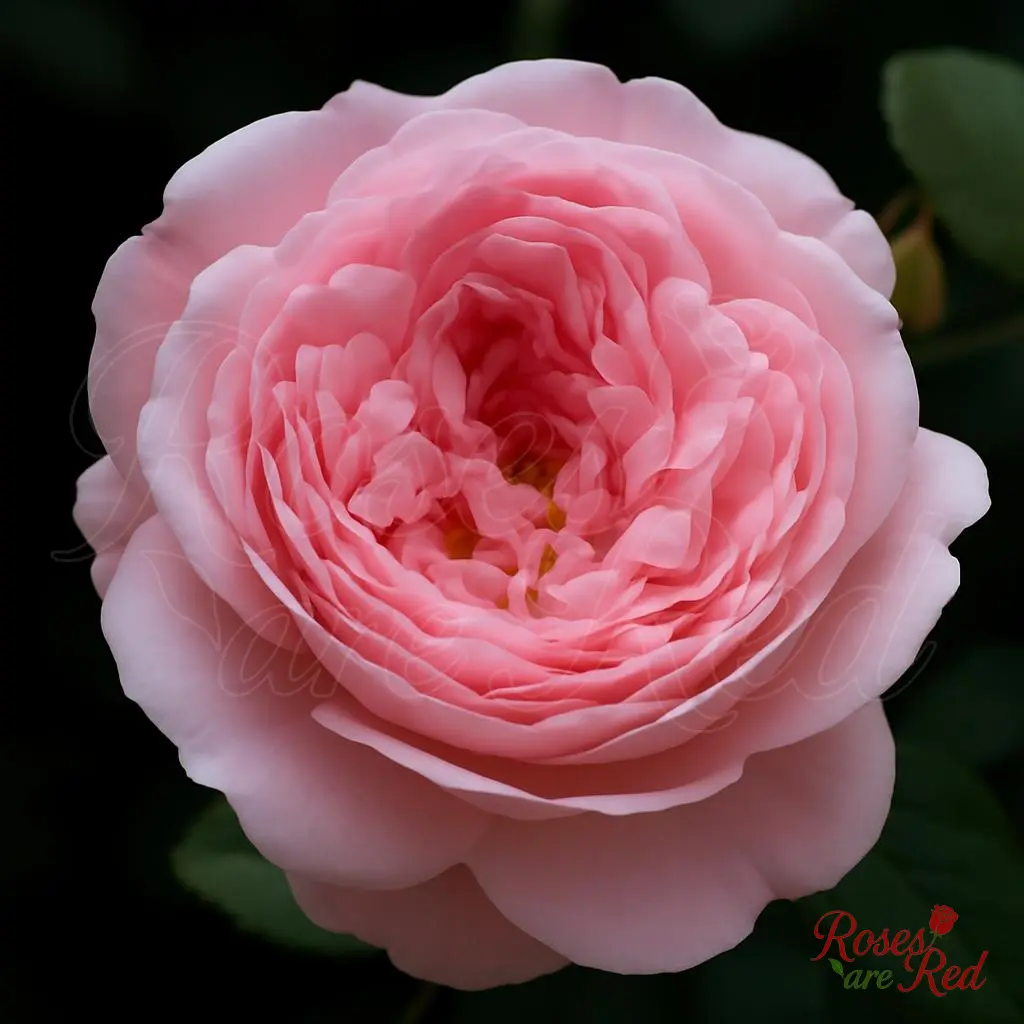
Modern Rose, shrub "Wife of Bath", United Kingdom, introduced by David C. H. Austin in 1969, Usually is blush pink in color, cupped bloom shape, very full petal count, blooms 8 - 10 cm in size, has 3-5 buds per stem, repeat rebloom, has light fragrance, the bush shape can be bushy, 70 - 90 cm in height, 60 cm in width, suitable for USDA zone 6 from -23°C and above, moderate resistance to rain, moderate resistance to black spot, moderate resistance to mildew, good for cutting.
Main characteristics

Aroma

USDA Zone 6
-23°С

Rebloom


Bush Shape

Bloom Shape
Cupped
Size

Height
70 - 90 cm

Width
60 cm
Bloom size
8 - 10 cm
Buds / Stem
3-5

Petal Count
Very full
Resistance

Heat

Shade

Rain

Black Spot

Mildew
More information
This is among the English roses from which the entire line of cultivars originated. It is a low, hardy, bushy plant with a tendency for some branches to die back. There is a reported instance in which a garden was neglected and the plant was buried under grass for two or three years; it survived repeated trimming with a mower and re-formed a bush afterward. The flowers of Wife of Bath are medium-sized, pink, and cup-shaped. They show a less tidy form, and the scent is a light myrrh.
The flowers are medium-sized, old-fashioned in style, deep pink on the upper surface of the petals and soft pink on the reverse. They open from tightly coiled petals, becoming looser in form and lighter in colour as they expand. Strong myrrh fragrance; blooms through summer and autumn. The variety is relatively short, freely branching, with many small laterals.
Wife of Bath is one of the first repeat-flowering roses bred by Austin and remains widely grown. The large, cup-shaped blooms arise from red buds; they are deep pink at the centre and pale at the edges, with the petal reverses also paler. This gives a clear contrast, with the larger outer petals enclosing the smaller central petals. Flowers appear in clusters of 3–9, with regular repeat. The foliage is small, bright green, and the bush is compact. Suitable for the foreground in borders.
The flowers are medium-sized, old-fashioned in style, deep pink on the upper surface of the petals and soft pink on the reverse. They open from tightly coiled petals, becoming looser in form and lighter in colour as they expand. Strong myrrh fragrance; blooms through summer and autumn. The variety is relatively short, freely branching, with many small laterals.
Wife of Bath is one of the first repeat-flowering roses bred by Austin and remains widely grown. The large, cup-shaped blooms arise from red buds; they are deep pink at the centre and pale at the edges, with the petal reverses also paler. This gives a clear contrast, with the larger outer petals enclosing the smaller central petals. Flowers appear in clusters of 3–9, with regular repeat. The foliage is small, bright green, and the bush is compact. Suitable for the foreground in borders.
Popular Breeders
Articles