


 Sign in
 Rose Catalog
Warm Wishes, hybrid tea

Also known as
FRYxotic
Sunset Celebration
Chantoli
Exotic Jolie Mome
Share
Prices nearby
or to see prices for this rose



















Brief summary
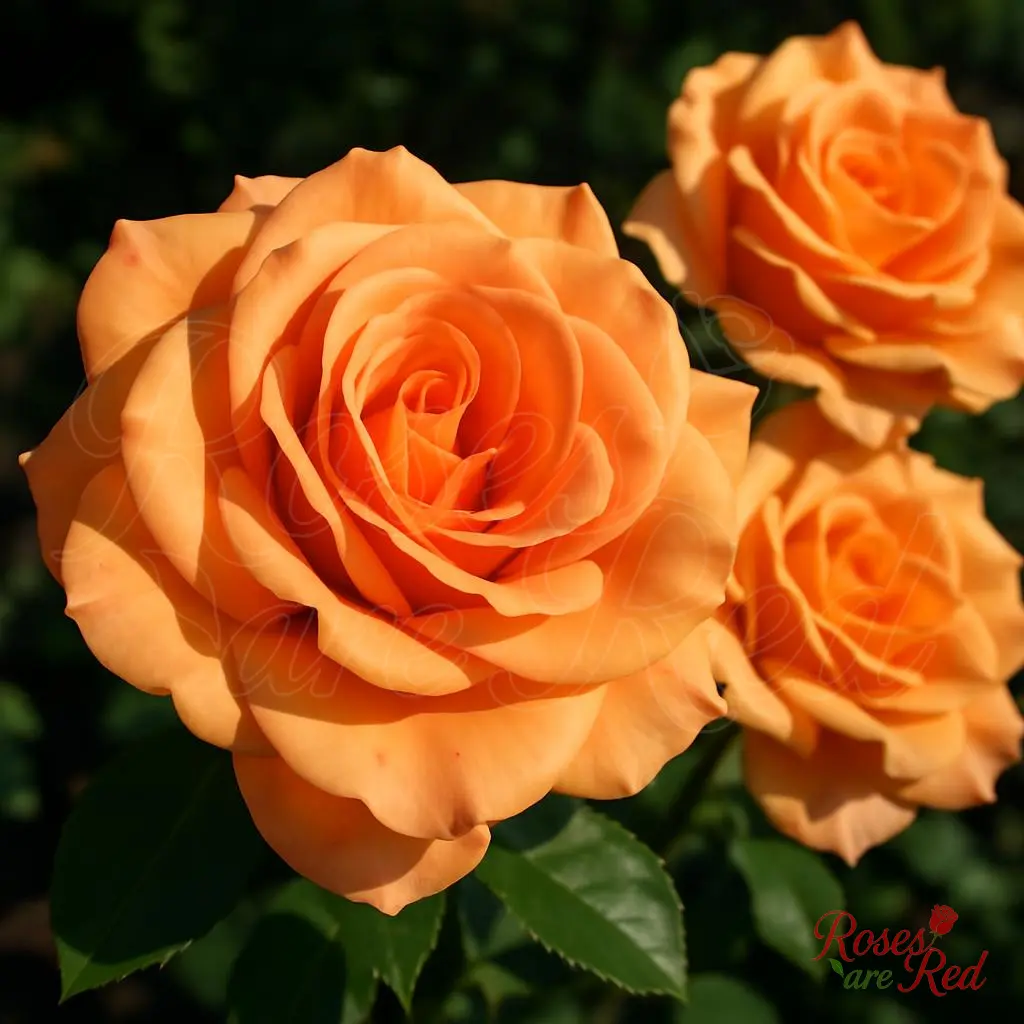
Modern Rose, hybrid tea "Warm Wishes", United Kingdom, introduced by Gareth Fryer in 1994, Usually is peach in color, high-center (point) bloom shape, blooms 11 - 12 cm in size, has 1 buds per stem, repeat rebloom, has moderate fragrance, the bush shape can be upright, 80 - 100 cm in height, 75 cm in width, suitable for USDA zone 6 from -23°C and above, strong resistance to rain, strong resistance to black spot, strong resistance to mildew, good for cutting.
Main characteristics

Aroma

USDA Zone 6
-23°С

Rebloom


Bush Shape

Bloom Shape
High-center (Point)
Size

Height
80 - 100 cm

Width
75 cm

Bloom size
11 - 12 cm

Buds / Stem
1

Petal Count
Resistance

Heat

Shade

Rain

Black Spot

Mildew
More information
Warm Wishes has received numerous awards in trial gardens under a wide range of conditions and climates worldwide. It is a traditional hybrid tea rose. Key features include its coloration and form: blooms show an apricot‑pink blend, with tone varying by weather and climate—consistently deeper at the center and on the reverse, brighter in cold conditions. In hot weather it can quickly fade to pink and cream. Flowers arise from large, pointed buds and keep their form for an extended period as petals reflex sequentially. They are typically borne singly on long stems and last well when cut. Foliage is dark green with good disease resistance. The shrub reblooms quickly.
This cultivar bears peachy‑salmon flowers of medium to large size with tidy centers. Although petal count is under 30, the petals are broad and firm, opening slowly to produce a durable bloom reported as non‑fading. Flowers are usually solitary, sometimes in broad clusters; they are fragrant and suitable for cutting. In the garden it flowers through summer and autumn and tolerates rain and wind. The plant is branched, of medium height, with abundant dark foliage.
Flower color is caramel‑toned: shades of pink and salmon with yellow highlights. Blooms maintain their appearance in both sun and rain. Petal count is cited at about 35, with petals arranged to give a regular form. Flower diameter is up to 10 cm. Blooms may be borne singly or in small, tassel‑like clusters. Rebloom is abundant. The fragrance combines rose and spicy notes. The shrub is tall with an even crown, reaching 1.2 m in height and 75 cm in width. Leaves are darker than usual. Plants are well furnished with foliage down to the base. Some susceptibility in cold climates is noted. (F. Harkness)
This cultivar bears peachy‑salmon flowers of medium to large size with tidy centers. Although petal count is under 30, the petals are broad and firm, opening slowly to produce a durable bloom reported as non‑fading. Flowers are usually solitary, sometimes in broad clusters; they are fragrant and suitable for cutting. In the garden it flowers through summer and autumn and tolerates rain and wind. The plant is branched, of medium height, with abundant dark foliage.
Flower color is caramel‑toned: shades of pink and salmon with yellow highlights. Blooms maintain their appearance in both sun and rain. Petal count is cited at about 35, with petals arranged to give a regular form. Flower diameter is up to 10 cm. Blooms may be borne singly or in small, tassel‑like clusters. Rebloom is abundant. The fragrance combines rose and spicy notes. The shrub is tall with an even crown, reaching 1.2 m in height and 75 cm in width. Leaves are darker than usual. Plants are well furnished with foliage down to the base. Some susceptibility in cold climates is noted. (F. Harkness)
Popular Breeders
Articles