


 Sign in
 Rose Catalog
Victoriana, floribunda

Share
Prices nearby
or to see prices for this rose

















Brief summary
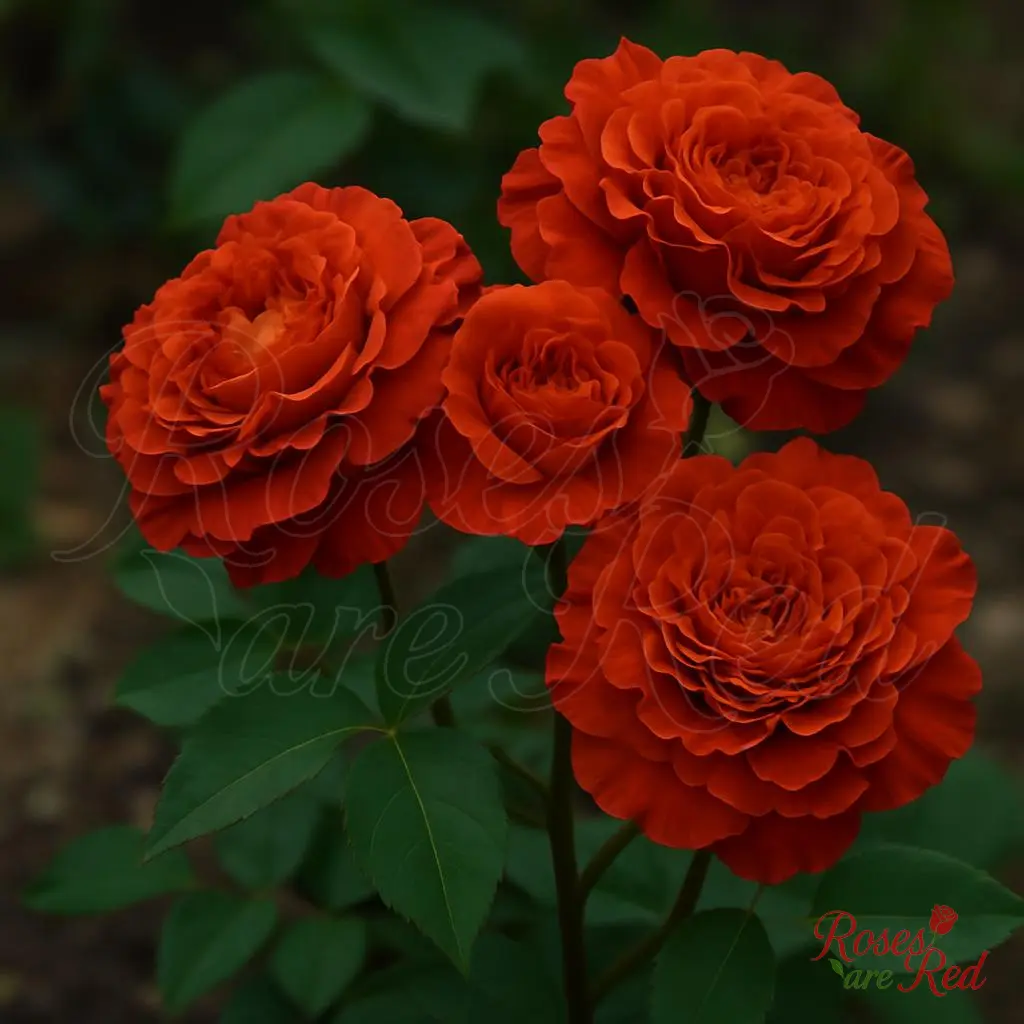
Modern Rose, floribunda "Victoriana", United Kingdom, introduced by LeGrice Roses in 1977, Usually is red, brown in color, semi double bloom shape, blooms 10 - 11 cm in size, has 1-3 buds per stem, repeat rebloom, has light fragrance, the bush shape can be upright, 80 - 100 cm in height, 80 cm in width, suitable for USDA zone 6 from -23°C and above, moderate resistance to rain, moderate resistance to black spot, moderate resistance to mildew.
Main characteristics

Aroma

USDA Zone 6
-23°С

Rebloom


Bush Shape

Bloom Shape
Semi double
Size

Height
80 - 100 cm

Width
80 cm
Bloom size
10 - 11 cm
Buds / Stem
1-3

Petal Count
Resistance

Heat

Shade

Rain

Black Spot

Mildew
More information
Edward Le Gris was an English rose breeder who specialised in roses of unusual colours. Victoriana is one of his last roses, bred in the year of his death. The flowers show a rusty orange colour that, on closer inspection, is composed of many brown or chestnut spots on a salmon pink base. The reverse side of the petals is white with a pink edge, and the undulation of the petals accentuates this mixture of colours. Flowers appear singly or in clusters of up to 5pc, on a vigorous, bushy plant. Disease resistant. The colour is constantly changing, and the darker tones persist longer without burning out in cold climates.
A bi-coloured floribunda. The petals are reddish brown with a silvery white lining. The warm red-brown tone can change to a soft scarlet in mid-summer (but not as bright as Brown Velvet), and the large blooms gradually shift in tone to a smoky wine-grape shade. Although double, the flower shape resembles a poppy, with many wavy petals. Victoriana is not an overgrown rose and responds to good care. The foliage is bright green and contrasts with the flowers.
The flowers perform better in colder regions and decline in extreme heat. The very dark orange flowers can appear brown, with a lighter centre. The bush is strong and low, suitable for patios or low boles, as well as for borders and mass plantings. Disease resistance is good, and with a little prevention, diseases may not appear all season. Many nurseries do not grow this variety because it is difficult to graft—most shoots are too thin to use for grafting. The fragrance is light and repeat flowering is abundant.
A bi-coloured floribunda. The petals are reddish brown with a silvery white lining. The warm red-brown tone can change to a soft scarlet in mid-summer (but not as bright as Brown Velvet), and the large blooms gradually shift in tone to a smoky wine-grape shade. Although double, the flower shape resembles a poppy, with many wavy petals. Victoriana is not an overgrown rose and responds to good care. The foliage is bright green and contrasts with the flowers.
The flowers perform better in colder regions and decline in extreme heat. The very dark orange flowers can appear brown, with a lighter centre. The bush is strong and low, suitable for patios or low boles, as well as for borders and mass plantings. Disease resistance is good, and with a little prevention, diseases may not appear all season. Many nurseries do not grow this variety because it is difficult to graft—most shoots are too thin to use for grafting. The fragrance is light and repeat flowering is abundant.
Popular Breeders
Articles