

 Sign in
 Rose Catalog
Topas Jewel, hybrid rugosa

Registration name
MORyelrug
Also known as
Topaz Jewel
Gelbe Dagmar Hastrup
Yellow Dagmar Hastrup
Rustica 91
Rustica II
Share
Prices nearby
or to see prices for this rose



















Brief summary
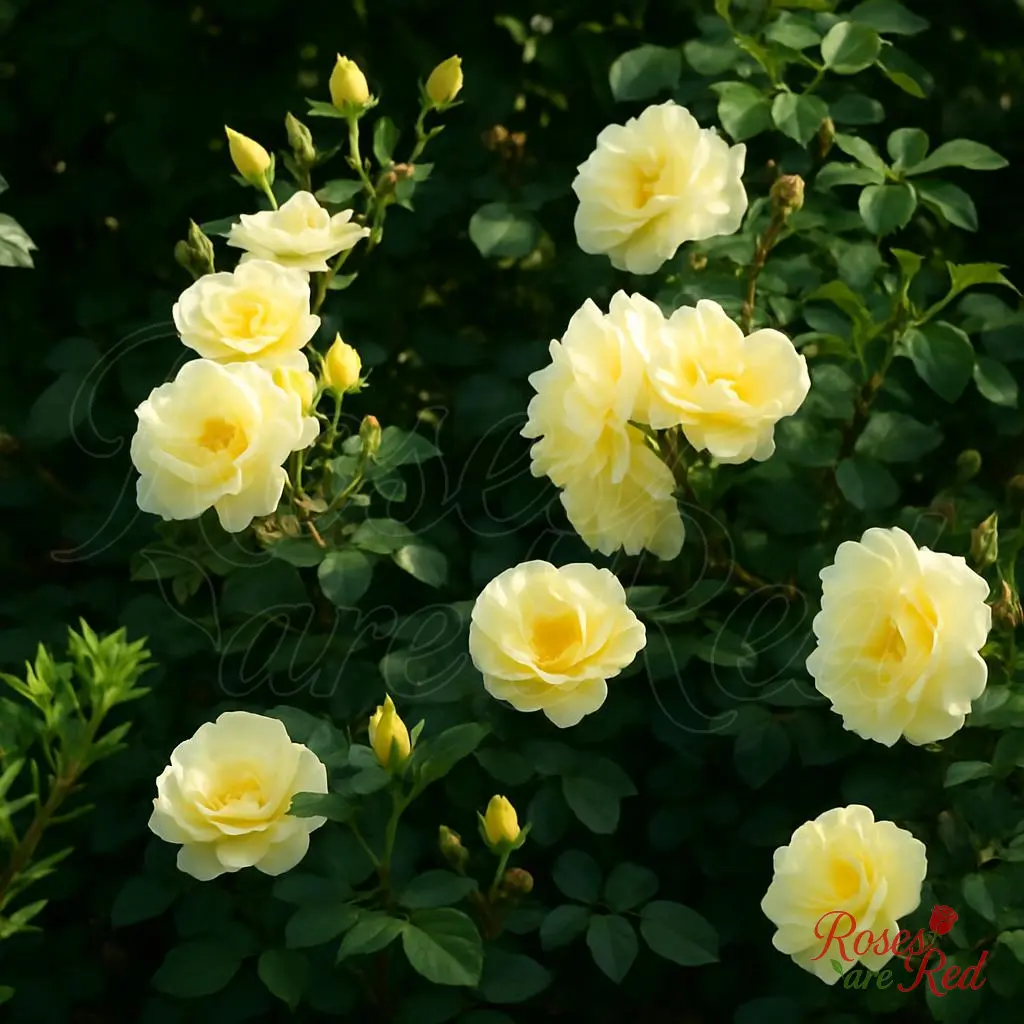
Modern Rose, hybrid rugosa "Topas Jewel", United States, introduced by Ralph S. Moore in 1987, Usually is ivory, yellow in color, semi double bloom shape, full petal count, blooms 7 - 8 cm in size, has 5-10 buds per stem, repeat rebloom, has moderate fragrance, the bush shape can be bushy, spreading, upright, 100 - 125 cm in height, 150 - 215 cm in width, suitable for USDA zone 4 from -34°C and above, strong resistance to shade, low resistance to rain, strong resistance to black spot, moderate resistance to mildew, good for cutting.
Main characteristics

Aroma

USDA Zone 4
-34°С

Rebloom


Bush Shape


Bloom Shape
Semi double
Size

Height
100 - 125 cm

Width
150 - 215 cm
Bloom size
7 - 8 cm
Buds / Stem
5-10

Petal Count
Full
Resistance

Heat

Shade

Rain

Black Spot
Mildew
More information
Topaz Jewel was introduced as a yellow Rugosa hybrid, an uncommon occurrence. The blooms open bright yellow, then quickly fade to lemon, cream, and finally white, while the center retains a yellow tinge. In the heat of the day the petals can take on a greenish cast. Flowers are semi-double with prominent stamens that are sometimes obscured by foliage, and they are borne in clusters of 5–9. The shrub is very cold-hardy, very thorny, and used for groundcover and in landscape plantings. The foliage is dark, rugose, and generally disease resistant, though black spot and powdery mildew may appear. Unlike most Rugosas, it does not set fruit.
Not the first yellow Rugosa, despite occasional claims, it is grown in common gardens. This variety is shorter than most Rugosas, forming a spreading, branching shrub, with light yellow flowers that, when open, reveal golden stamens. The blooms have 24 arched petals, are cup-shaped, and are fragrant. Used in shrubby borders. Suitable as a specimen or for group planting. The shrub has a somewhat irregular habit, and some blooms are hidden within the foliage, so solitary display can be limited. The foliage is bright green, matte, and rugose, but with lower disease resistance than most Rugosas. Nor does it produce the hips typical of Rugosas.
Not the first yellow Rugosa, despite occasional claims, it is grown in common gardens. This variety is shorter than most Rugosas, forming a spreading, branching shrub, with light yellow flowers that, when open, reveal golden stamens. The blooms have 24 arched petals, are cup-shaped, and are fragrant. Used in shrubby borders. Suitable as a specimen or for group planting. The shrub has a somewhat irregular habit, and some blooms are hidden within the foliage, so solitary display can be limited. The foliage is bright green, matte, and rugose, but with lower disease resistance than most Rugosas. Nor does it produce the hips typical of Rugosas.
Popular Breeders
Articles