


 Sign in
 Rose Catalog
Share
Prices nearby
or to see prices for this rose



















Brief summary
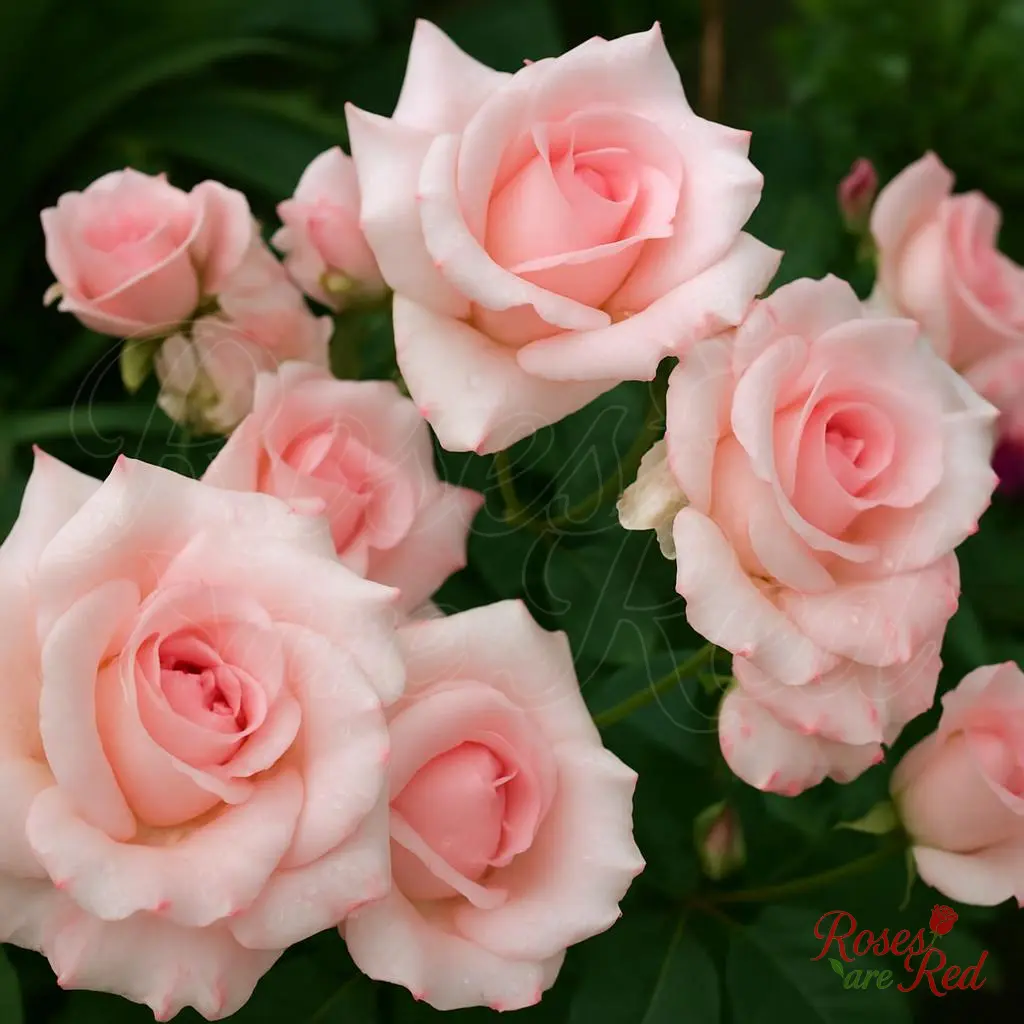
Modern Rose, hybrid tea "Titanic", Netherlands, Usually is pink in color, high-center (point) bloom shape, blooms 8 - 10 cm in size, has 1 buds per stem, repeat rebloom, has light fragrance, the bush shape can be upright, 60 - 90 cm in height, 60 cm in width, suitable for USDA zone 6 from -23°C and above, moderate resistance to rain, moderate resistance to black spot, moderate resistance to mildew, good for cutting.
Main characteristics

Aroma

USDA Zone 6
-23°С

Rebloom


Bush Shape

Bloom Shape
High-center (Point)
Size

Height
60 - 90 cm

Width
60 cm

Bloom size
8 - 10 cm

Buds / Stem
1

Petal Count
Resistance

Heat

Shade

Rain

Black Spot

Mildew
More information
The pale pink buds of this cultivar reach very large dimensions. Its blooms often measure up to 14 cm in diameter, and their size led the breeder to associate the variety with the Titanic. Beyond the large bud size, the flower shows a high, dense, regular form: pink-toned petals (35–40) create a well-formed bud 6–7 cm in height, while larger outer petals, lighter and nearly white with a pearlescent effect, encircle the center. The fragrance is light. The canes display an almost complete absence of thorns. In some collections, it is described as a landmark cultivar. Like many newer introductions, Titanic was bred primarily for cut-flower production; with appropriate cultivation techniques, it produces long stems and yields about 180–200 stems per square metre per year. The variety also performs reliably in landscaping and is used in both single and group plantings. When selecting a site, note that in intense, scorching sun the blooms become very shallow and smaller; avoid locations with full-day scorching exposure. Vase life is approximately 10 days. The cultivar shows fairly high resistance to diseases and frost. The breeder is Interplant (Netherlands), a rose-breeding company spanning three generations: the first focused mainly on garden roses, the second on cut-rose production, and the third on expanding the range of cut roses.
Popular Breeders
Articles