


 Sign in
 Rose Catalog
Share
Prices nearby
or to see prices for this rose



















Brief summary
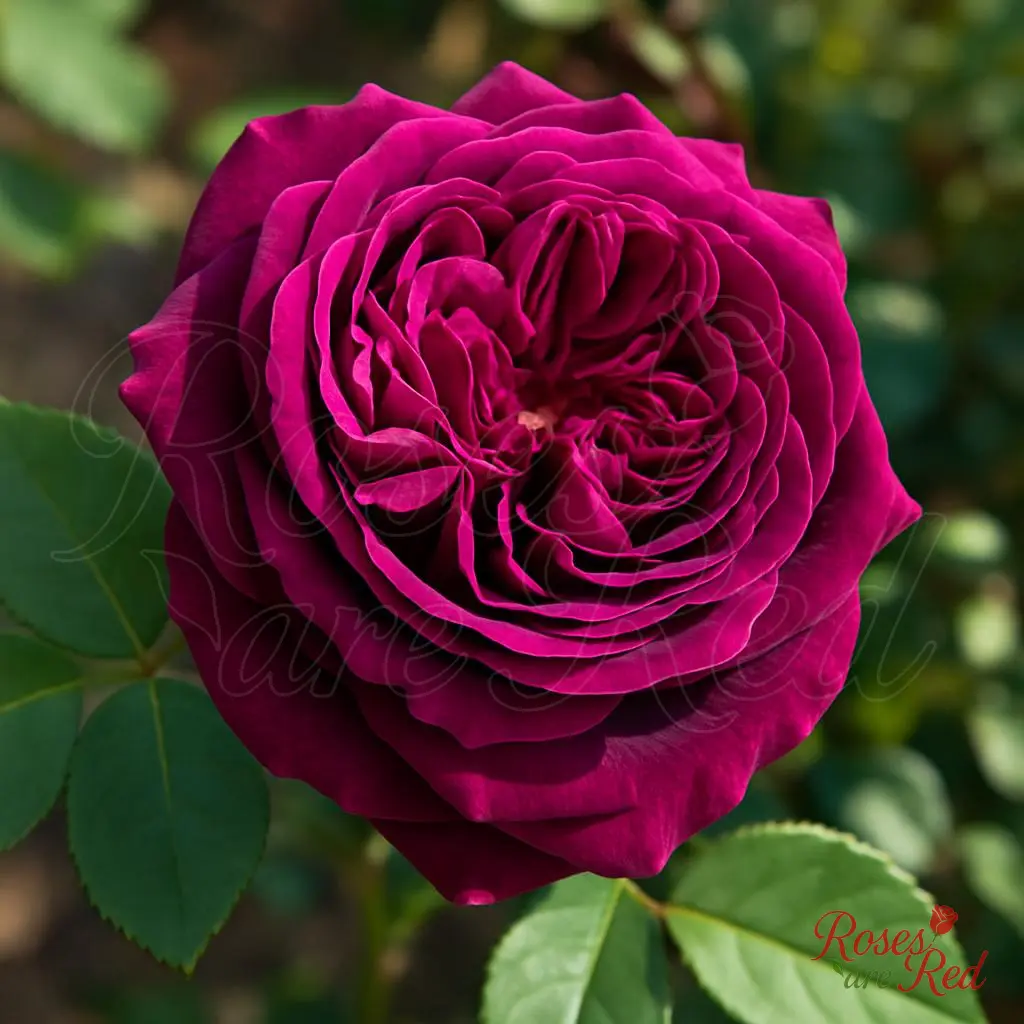
Modern Rose, shrub "The Prince", United Kingdom, introduced by David C. H. Austin in 1990, Usually is burgundy in color, globular bloom shape, double petal count, blooms 5 - 8 cm in size, has 3-5 buds per stem, repeat rebloom, has moderate fragrance, the bush shape can be spreading, 60 - 75 cm in height, 90 cm in width, suitable for USDA zone 6 from -23°C and above, moderate resistance to rain, moderate resistance to black spot, moderate resistance to mildew.
Main characteristics

Aroma

USDA Zone 6
-23°С

Rebloom


Bush Shape

Bloom Shape
Globular
Size

Height
60 - 75 cm

Width
90 cm

Bloom size
5 - 8 cm

Buds / Stem
3-5

Petal Count
Double
Resistance

Heat

Shade

Rain

Black Spot

Mildew
More information
The Prince is a rose noted for its colour transitions: newly opened flowers are a very deep dark red that rapidly shifts to an equally deep purple‑purple. This later hue is reported as unique among modern roses; Graham Thomas believed that The Prince was the first variety of this colour since 1840. This shade corresponds to that seen in Gallic roses (R. Gallica) and is distinct from the metallic lilac typical of modern roses. The fragrance is very strong, with a rose‑oil odour. The blooms are rosette‑shaped, and the petals bend downwards at the end of flowering. The plant forms a low, spreading bush, often placed at the front of borders. The foliage is dark. Although greater bush vigour was desired, the variety is not classed as weak in source descriptions.
Buds are very dark, dense, and rounded, opening to dense crimson rosettes with many petals overlapping like shingles; the crimson tones quickly change to dense purple. The flowers carry a rose‑oil scent. Planting is often arranged to allow close viewing of the distinctive blooms while keeping the bush less prominent, as the flowering shoots and the bush are relatively weak and can affect the overall aspect. The variety performs best in favourable conditions with regular care and requires consistent attention. The foliage is dark and sparse.
Buds are very dark, dense, and rounded, opening to dense crimson rosettes with many petals overlapping like shingles; the crimson tones quickly change to dense purple. The flowers carry a rose‑oil scent. Planting is often arranged to allow close viewing of the distinctive blooms while keeping the bush less prominent, as the flowering shoots and the bush are relatively weak and can affect the overall aspect. The variety performs best in favourable conditions with regular care and requires consistent attention. The foliage is dark and sparse.
Popular Breeders
Articles