


 Sign in
 Rose Catalog
Terracotta ®, hybrid tea

Registration name
MEIcobuis
Also known as
My Lovely
Terra Cotta
Share
Prices nearby
or to see prices for this rose



















Brief summary
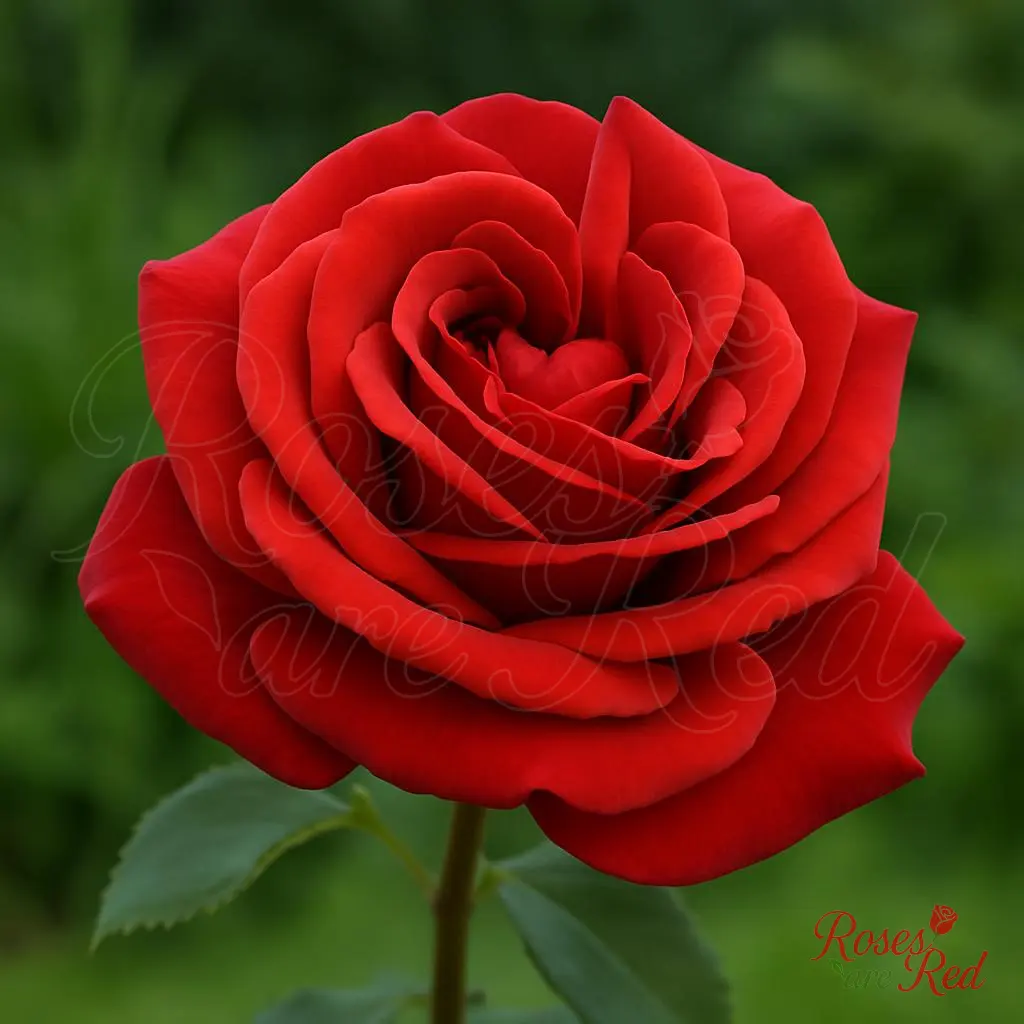
Modern Rose, hybrid tea "Terracotta ®", France, introduced by Meilland Roses in 1994, Usually is red in color, high-center (point) bloom shape, blooms 12 - 14 cm in size, has 1 buds per stem, repeat rebloom, has light fragrance, the bush shape can be upright, 60 - 75 cm in height, 60 cm in width, suitable for USDA zone 6 from -23°C and above, moderate resistance to rain, moderate resistance to black spot, moderate resistance to mildew, good for cutting.
Main characteristics

Aroma

USDA Zone 6
-23°С

Rebloom


Bush Shape

Bloom Shape
High-center (Point)
Size

Height
60 - 75 cm

Width
60 cm

Bloom size
12 - 14 cm

Buds / Stem
1

Petal Count
Resistance

Heat

Shade

Rain

Black Spot

Mildew
More information
Large, brick-red blooms with 17–25 petals, classic high-centred form, mostly borne singly, scentless.
Orange-red buds open to large brick-red flowers 12–14 cm in diameter, usually solitary on the shoots; no fragrance. The bush is upright; young shoots are light green with a reddish-brown tint. Mature wood is medium green, with a moderate number of thorns (green-red on young shoots, yellow-green on mature wood). Foliage is dense, semi-glossy, typically with 5 leaflets per leaf. Flowering is abundant. Disease resistance is good.
This cultivar is not widely available in commerce. It was originally bred as a cutting variety, a sport of Leonidas. Compared with Leonidas, Terracotta’s typical coloration is more consistently observed in garden conditions than in greenhouse production. Very large blooms on mature plants (13–15 cm) show a soft fiery orange tone, similar to a lighter, slightly softened version of the “summer” colouring of Brown Velvet, with a cinnamon hue. As the flower opens, a darker mottled edge appears on the petals. Being bred for cutting, Terracotta may require more attentive care than many garden roses. Colour intensity increases in cooler weather, and the variety performs less well in very hot, full-sun conditions. Recommended placement: a sunny bed with eastern exposure and shade from midday onward, or provide midday shading to limit drying and bleaching of the blooms in strong heat.
Orange-red buds open to large brick-red flowers 12–14 cm in diameter, usually solitary on the shoots; no fragrance. The bush is upright; young shoots are light green with a reddish-brown tint. Mature wood is medium green, with a moderate number of thorns (green-red on young shoots, yellow-green on mature wood). Foliage is dense, semi-glossy, typically with 5 leaflets per leaf. Flowering is abundant. Disease resistance is good.
This cultivar is not widely available in commerce. It was originally bred as a cutting variety, a sport of Leonidas. Compared with Leonidas, Terracotta’s typical coloration is more consistently observed in garden conditions than in greenhouse production. Very large blooms on mature plants (13–15 cm) show a soft fiery orange tone, similar to a lighter, slightly softened version of the “summer” colouring of Brown Velvet, with a cinnamon hue. As the flower opens, a darker mottled edge appears on the petals. Being bred for cutting, Terracotta may require more attentive care than many garden roses. Colour intensity increases in cooler weather, and the variety performs less well in very hot, full-sun conditions. Recommended placement: a sunny bed with eastern exposure and shade from midday onward, or provide midday shading to limit drying and bleaching of the blooms in strong heat.
Popular Breeders
Articles