


 Sign in
 Rose Catalog
Share
Prices nearby
or to see prices for this rose



















Brief summary
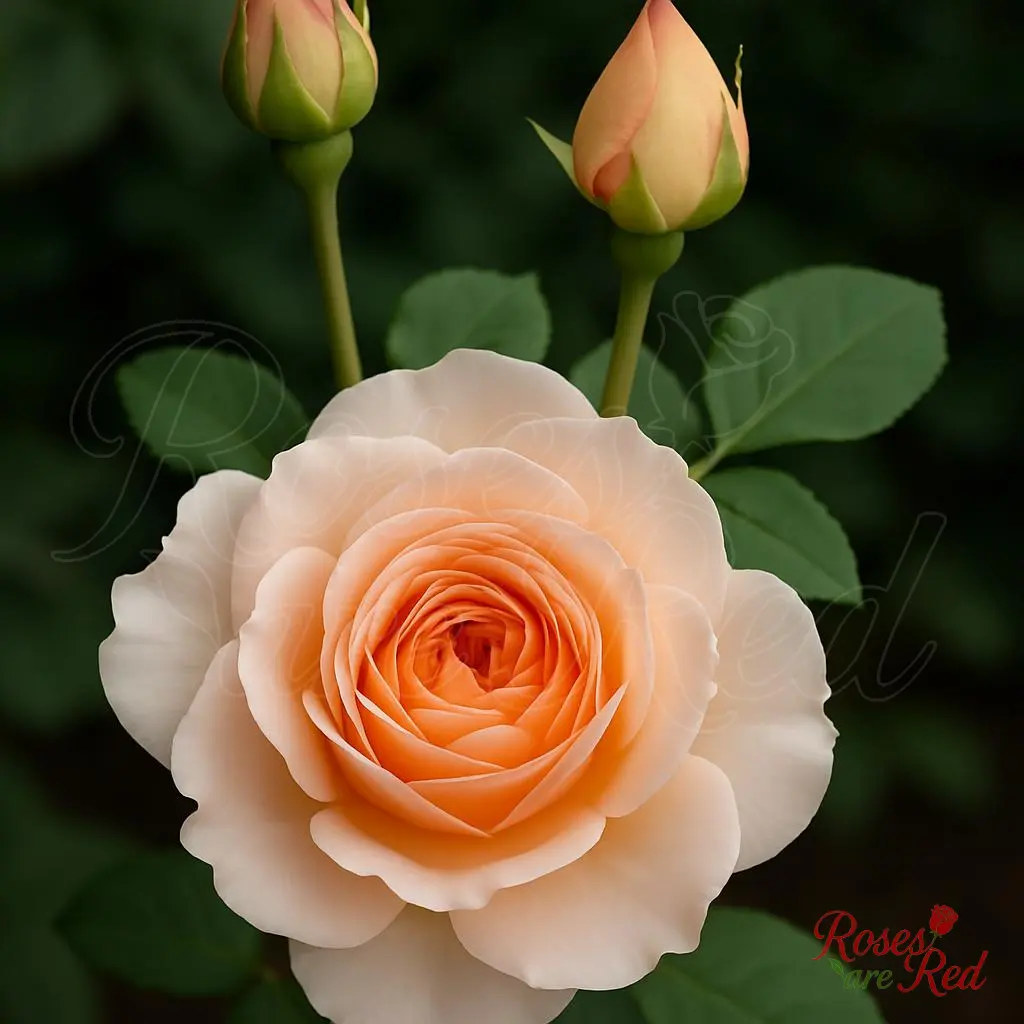
Modern Rose, shrub "Tamora", United Kingdom, introduced by David C. H. Austin in 1983, Usually is peach in color, deep cup bloom shape, very full petal count, blooms 9 - 10 cm in size, has 3-5 buds per stem, repeat rebloom, has rich fragrance, the bush shape can be bushy, spreading, 90 - 120 cm in height, 60 cm in width, suitable for USDA zone 6 from -23°C and above, strong resistance to black spot, strong resistance to mildew, good for cutting.
Main characteristics

Aroma

USDA Zone 6
-23°С

Rebloom


Bush Shape


Bloom Shape
Deep cup
Size

Height
90 - 120 cm

Width
60 cm

Bloom size
9 - 10 cm

Buds / Stem
3-5

Petal Count
Very full
Resistance

Heat

Shade

Rain

Black Spot

Mildew
More information
Tamora is a David Austin rose that performs better in warm climates than in England. The blooms are pale apricot, fading to cream and soft pink, with a darker reverse to the petals. They appear singly or in clusters of 3–7. Initially slightly cupped, they later open into rosettes with many short, broad petals. The shoots are graceful and rather prickly, and the foliage is fine and glossy, similar to floribunda. It rarely exceeds 1 metre in height and usually remains under 75 cm. Suitable for the foreground of borders and for mass plantings due to abundant, prolonged flowering. Disease resistant. Rich myrrh fragrance.
An English rose suitable for warm climates, producing large, densely filled blooms on a compact shrub. Peach buds open into densely petalled, cupped rosettes, 7.5–10 cm across. The peach petals display pink and honey tones. The fragrance is myrrh-like. It is a repeat bloomer with abundant flushes. Foliage is dark green and shiny; shoots are prickly. The shrub is spreading, suitable for beds or borders.
A progenitor of many yellow varieties, Tamora results from a cross involving Conrad Ferdinand Meyer’s rugosa. Despite this affinity, it forms a low, upright shrub, with most flowering stems arising from the base. The blooms are delicate apricot, open calyx-shaped, with a strong myrrh fragrance. Disease resistant.
An English rose suitable for warm climates, producing large, densely filled blooms on a compact shrub. Peach buds open into densely petalled, cupped rosettes, 7.5–10 cm across. The peach petals display pink and honey tones. The fragrance is myrrh-like. It is a repeat bloomer with abundant flushes. Foliage is dark green and shiny; shoots are prickly. The shrub is spreading, suitable for beds or borders.
A progenitor of many yellow varieties, Tamora results from a cross involving Conrad Ferdinand Meyer’s rugosa. Despite this affinity, it forms a low, upright shrub, with most flowering stems arising from the base. The blooms are delicate apricot, open calyx-shaped, with a strong myrrh fragrance. Disease resistant.
Popular Breeders
Articles