


 Sign in
 Rose Catalog
Share
Prices nearby
or to see prices for this rose



















Brief summary
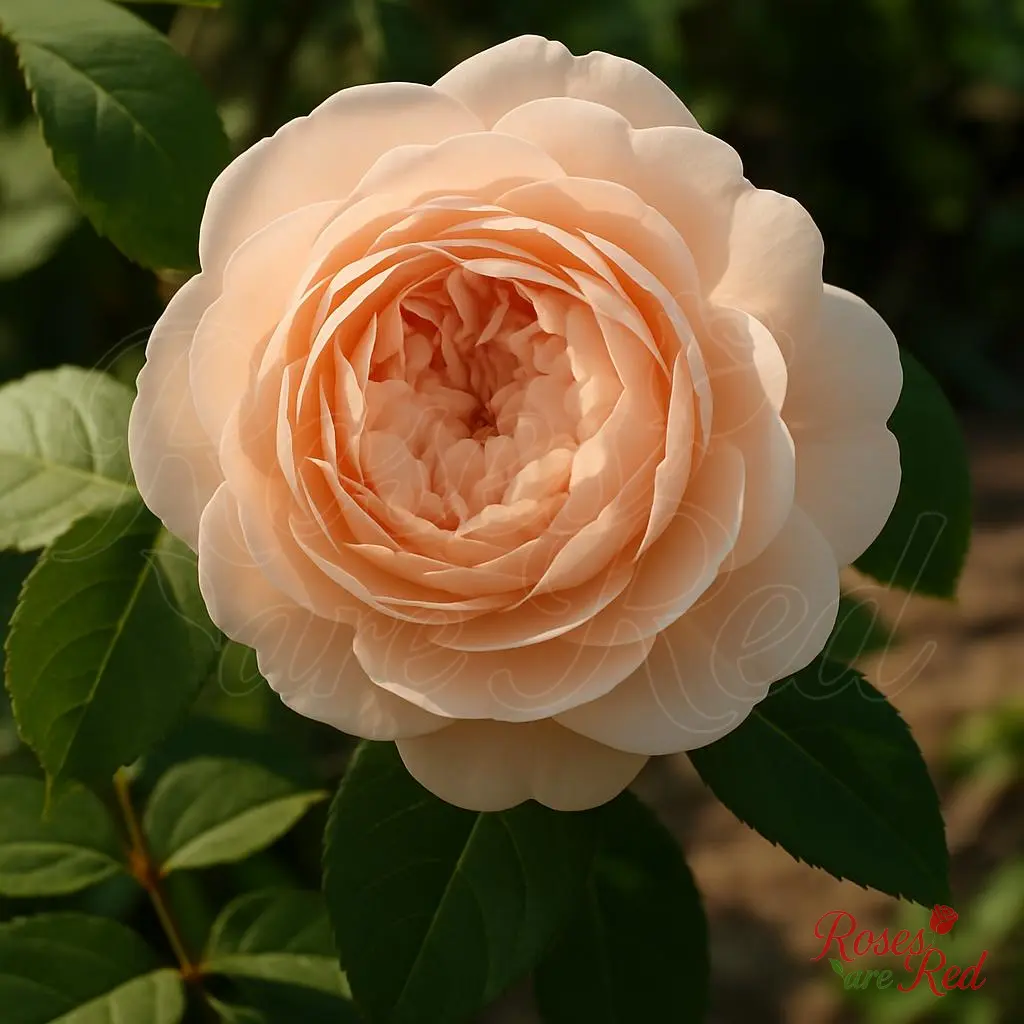
Modern Rose, shrub "Sweet Juliet", United Kingdom, introduced by David C. H. Austin in 1989, Usually is peach in color, rosette (ruffled) bloom shape, blooms 8 - 10 cm in size, has 3-5 buds per stem, repeat rebloom, has rich fragrance, the bush shape can be upright, 100 - 120 cm in height, 90 cm in width, suitable for USDA zone 6 from -23°C and above, low resistance to rain, moderate resistance to black spot, moderate resistance to mildew.
Main characteristics

Aroma

USDA Zone 6
-23°С

Rebloom


Bush Shape

Bloom Shape
Rosette (Ruffled)
Size

Height
100 - 120 cm

Width
90 cm

Bloom size
8 - 10 cm

Buds / Stem
3-5

Petal Count
Resistance

Heat

Shade

Rain

Black Spot

Mildew
More information
Small buds open into rosette-shaped blooms of clear apricot, typically with a pronounced central button. The scent is strong, of tea-rose type. Leaves are long, light green, with pointed tips. The shrub is upright; together with the foliage this gives a vertical outline. The cultivar is hardy, produces many basal shoots, quickly becoming dense and requiring thinning; otherwise flower numbers decrease. It needs time to reach full potential.
Sweet Juliet forms a tall shrub with fairly rigid, upright shoots. Flowers are medium-sized, rosette-shaped, deep apricot with paler edges. The fragrance is gentle, tea-rose; as the blooms open, a lemon tint appears. The variety shows disease resistance. To obtain large, well-formed flowers, prune to about half the height. Although vigorous, it is recommended to plant in groups of two or three bushes because the shrub is quite narrow.
Small buds expand into large, deeply cupped rosettes with a central button. The colour is soft apricot, fading to almost white at the edges, with a rich tea fragrance. Foliage is pointed, pale green, with a brownish tinge. The shrub is very upright and strong, forming a thicket by autumn. Many of these autumn shoots do not flower; spring bloom is significantly more abundant.
Sweet Juliet forms a tall shrub with fairly rigid, upright shoots. Flowers are medium-sized, rosette-shaped, deep apricot with paler edges. The fragrance is gentle, tea-rose; as the blooms open, a lemon tint appears. The variety shows disease resistance. To obtain large, well-formed flowers, prune to about half the height. Although vigorous, it is recommended to plant in groups of two or three bushes because the shrub is quite narrow.
Small buds expand into large, deeply cupped rosettes with a central button. The colour is soft apricot, fading to almost white at the edges, with a rich tea fragrance. Foliage is pointed, pale green, with a brownish tinge. The shrub is very upright and strong, forming a thicket by autumn. Many of these autumn shoots do not flower; spring bloom is significantly more abundant.
Popular Breeders
Articles