


 Sign in
 Rose Catalog
Rosa roxburghii normalis, hybrid roxburghii

Prices nearby



















Brief summary
Main characteristics






Size





Resistance





More information
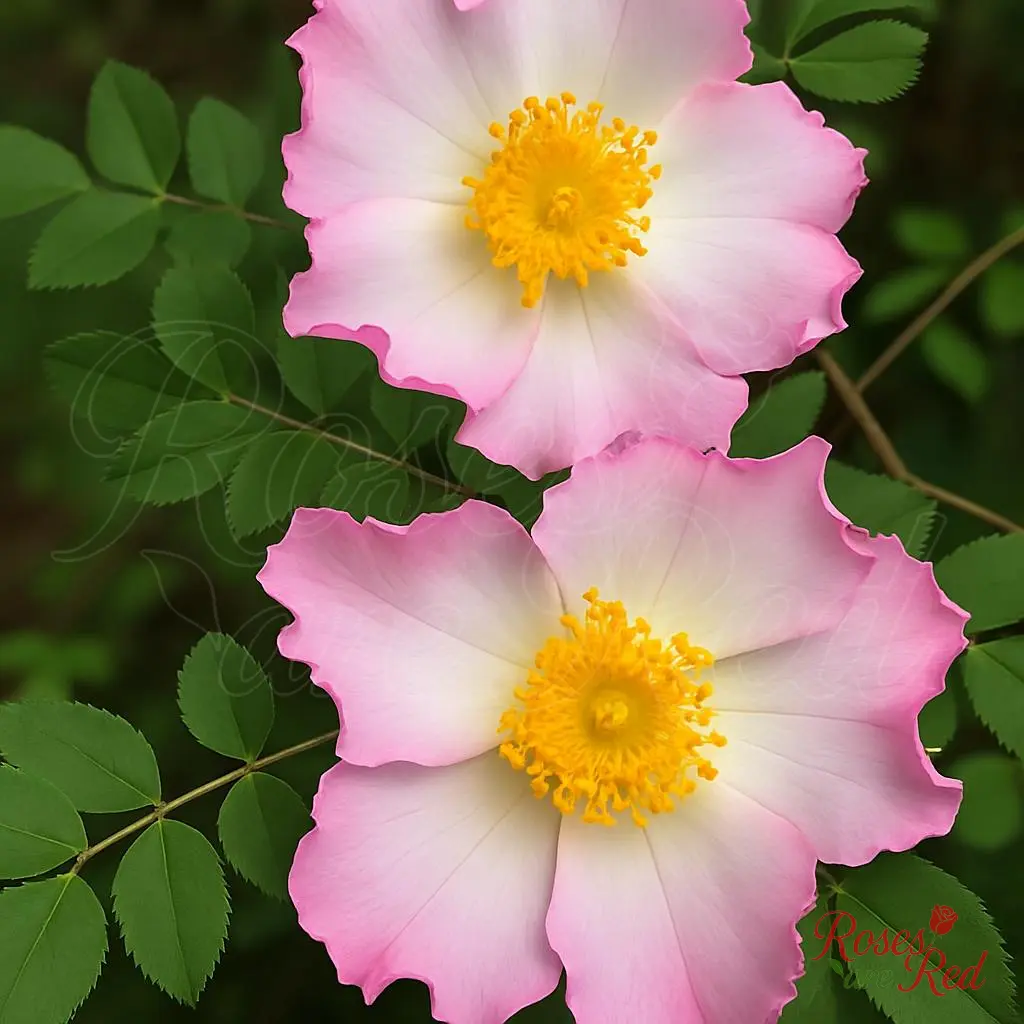
Rosa roxburghii f. normalis is a wild rose species with light pink to rose‑pink, blush‑tinted, single flowers about 5.6 cm in diameter, each with 5 petals, usually borne singly. It blooms once in spring or summer.
The plant typically reaches about 185–610 cm in height and about 185 cm in width. Foliage is small, with 9 to 19 leaflets, and in this form the leaves are smooth and non‑pubescent. It produces ornamental hips, which are distinctive and resemble chestnuts.
This rose is suitable for use as a hedge and for grafting. It is recorded for USDA hardiness zones 6b through 9b.
Rosa roxburghii f. normalis differs from R. roxburghii f. hirtula by its smooth foliage. It was discovered in 1862 by Carl Johann Maximowicz and later recorded by E. H. Wilson in China (1903, also noted in 1908), and it was formally described under this name in 1916.