


 Sign in
 Rose Catalog
R. setigera, species
Prices nearby



















Brief summary
Main characteristics







Size





Resistance





More information
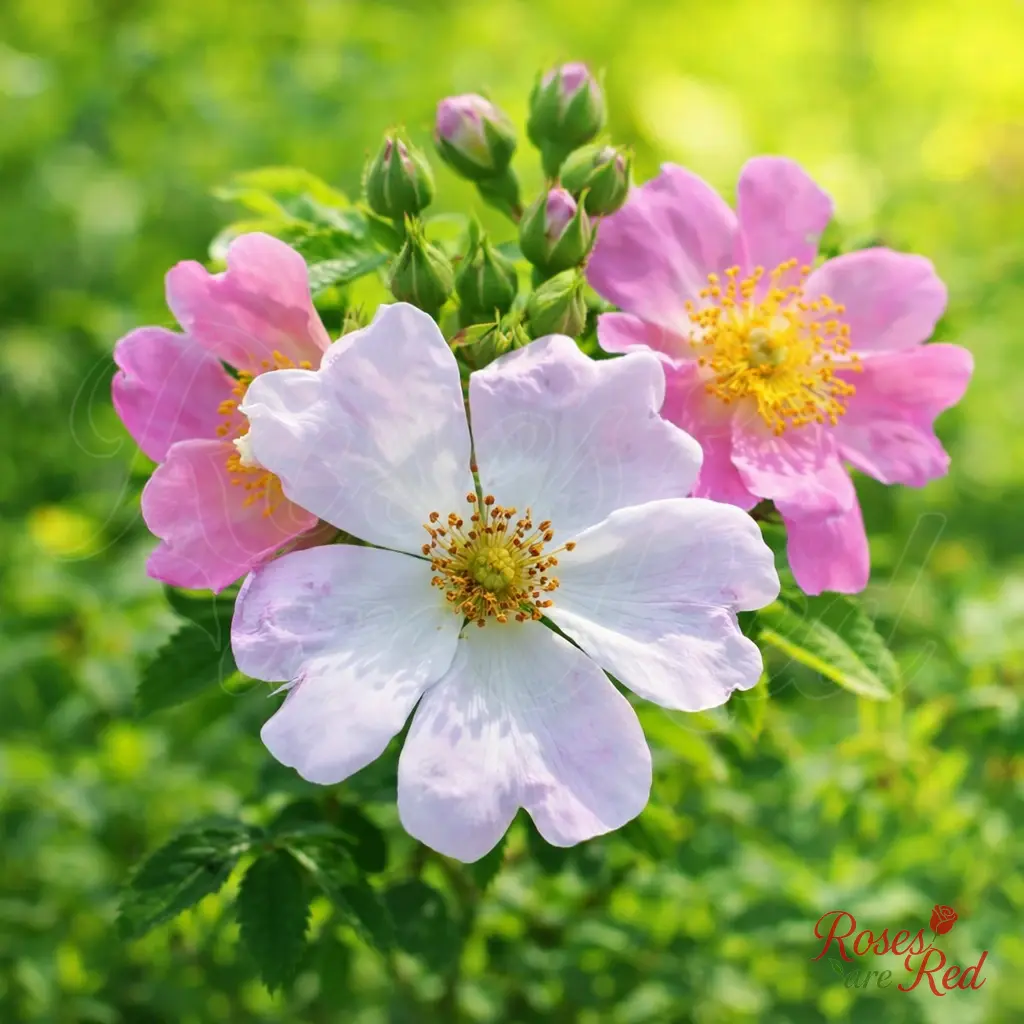
Rosa setigera is a North American wild rose species with deep pink blooms that have white undertones, ranging in color from white and pale pink to medium and dark pink. Flowers are medium-sized, about 6 cm in diameter, single with 4–8 petals, and borne in small clusters. The blooms are sweetly fragrant and appear once in spring or summer. Buds are rounded with small, leafy sepals. The plant has a tall, arching, climbing habit, with large, light green foliage composed of 3 to 5 leaflets. It may have few or no prickles and can produce suckers on its own roots. Plants are very hardy, suitable for USDA zone 3b and warmer, and generally require little care, showing relatively strong resistance to common diseases. Red globular hips are produced only when both male and female plants are present, as this species is cryptically dioecious, with separate male and female plants that appear similar. Recognized infraspecific taxa include forms and varieties differing in prickle presence, hairiness, and bloom color, including thornless and white-bloomed forms, as well as horticultural selections such as thornless and semi-double or double types.