


 Sign in
 Rose Catalog
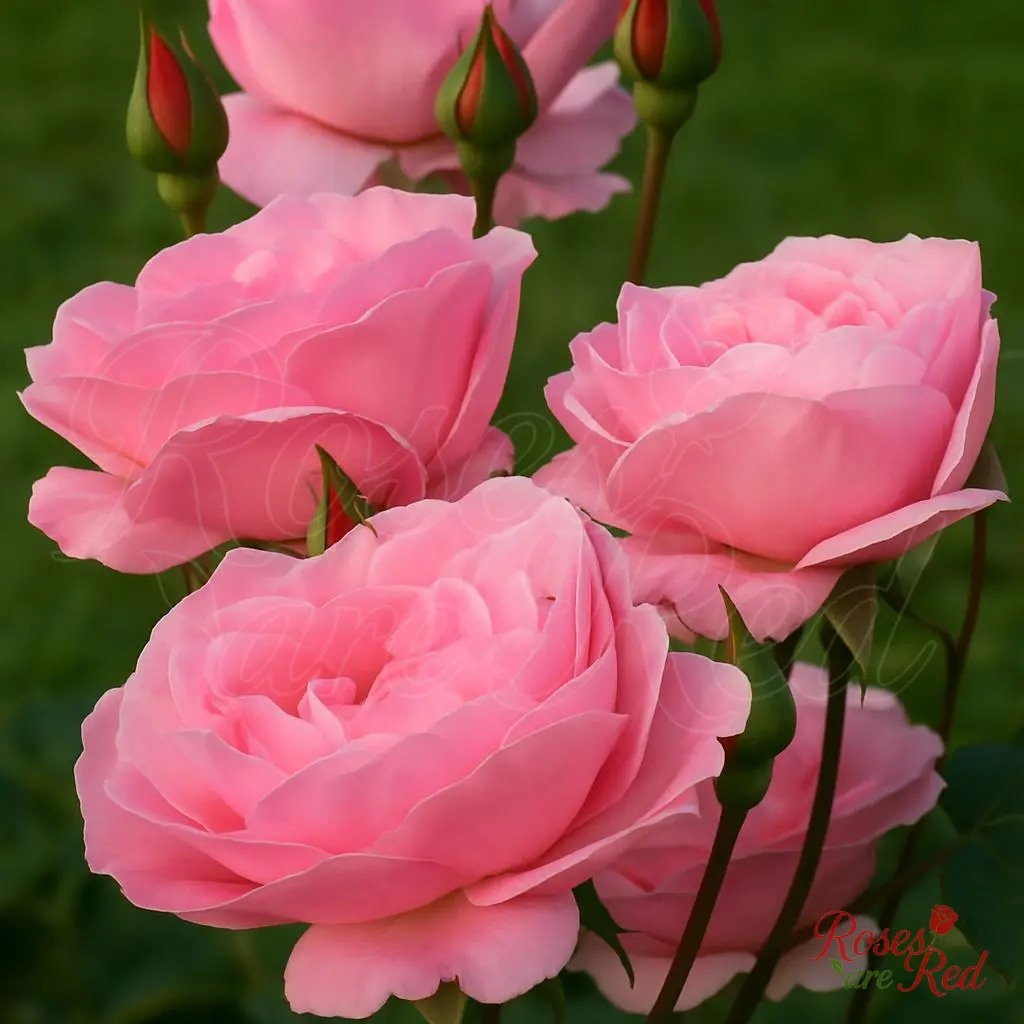
Queen Elizabeth, grandiflora

Also known as
Queen of England
The Queen Elizabeth Rose
Share
Prices nearby
or to see prices for this rose


















Brief summary
Modern Rose, grandiflora "Queen Elizabeth", United States, introduced by Dr. Walter E. Lammerts in 1954, Usually is pink in color, high-center (point) bloom shape, blooms 10 - 11 cm in size, has 3-5 buds per stem, repeat rebloom, has moderate fragrance, the bush shape can be upright, 100 - 250 cm in height, 100 cm in width, suitable for USDA zone 6 from -23°C and above, low resistance to rain, moderate resistance to black spot, moderate resistance to mildew.
Main characteristics

Aroma

USDA Zone 6
-23°С

Rebloom


Bush Shape

Bloom Shape
High-center (Point)
Size

Height
100 - 250 cm

Width
100 cm

Bloom size
10 - 11 cm

Buds / Stem
3-5

Petal Count
Resistance

Heat

Shade

Rain

Black Spot

Mildew
More information
This rose is named in honor of Queen Elizabeth II, who acceded to the English throne in 1952. Bred in the USA, it is cultivated worldwide. In England its dense petals resist rain damage. Blooms are a warm, soft pink; the flowers are not heavily double, and the reverse of the petals is darker. In hot climates the color fades to soft pink, while in temperate climates it holds well. The bloom form resembles Hybrid Tea roses, but flowers typically appear in large clusters of 3–15, which is why Queen Elizabeth is cited as the origin of the grandiflora class. Outside the USA this class is not officially recognized. The outer petals reflex downward and are slightly wavy. Fully open flowers are fairly flat. Foliage is large, dark, and rounded. Rust may occur in some regions; otherwise it is disease resistant. The shrub is narrow and upright, suitable for small spaces. Shoots are strong and thick, with large thorns. Grows well on poor soils.
This cultivar has remained in commerce for 40 years. When propagated it yields a high percentage of saleable-quality seedlings. Flowers are glass-shaped (high-centered), pink, double, with 38 petals. The plant is vigorous and, with light pruning, develops into a large shrub. Every six years, in early spring, it can be severely pruned to encourage rejuvenation. The foliage is leathery, glossy, and disease resistant.
This cultivar has remained in commerce for 40 years. When propagated it yields a high percentage of saleable-quality seedlings. Flowers are glass-shaped (high-centered), pink, double, with 38 petals. The plant is vigorous and, with light pruning, develops into a large shrub. Every six years, in early spring, it can be severely pruned to encourage rejuvenation. The foliage is leathery, glossy, and disease resistant.
Popular Breeders
Articles