

 Sign in
 Rose Catalog
Purple Tiger, floribunda

Also known as
JACpurr
Impressionist
Share
Prices nearby
or to see prices for this rose



















Brief summary
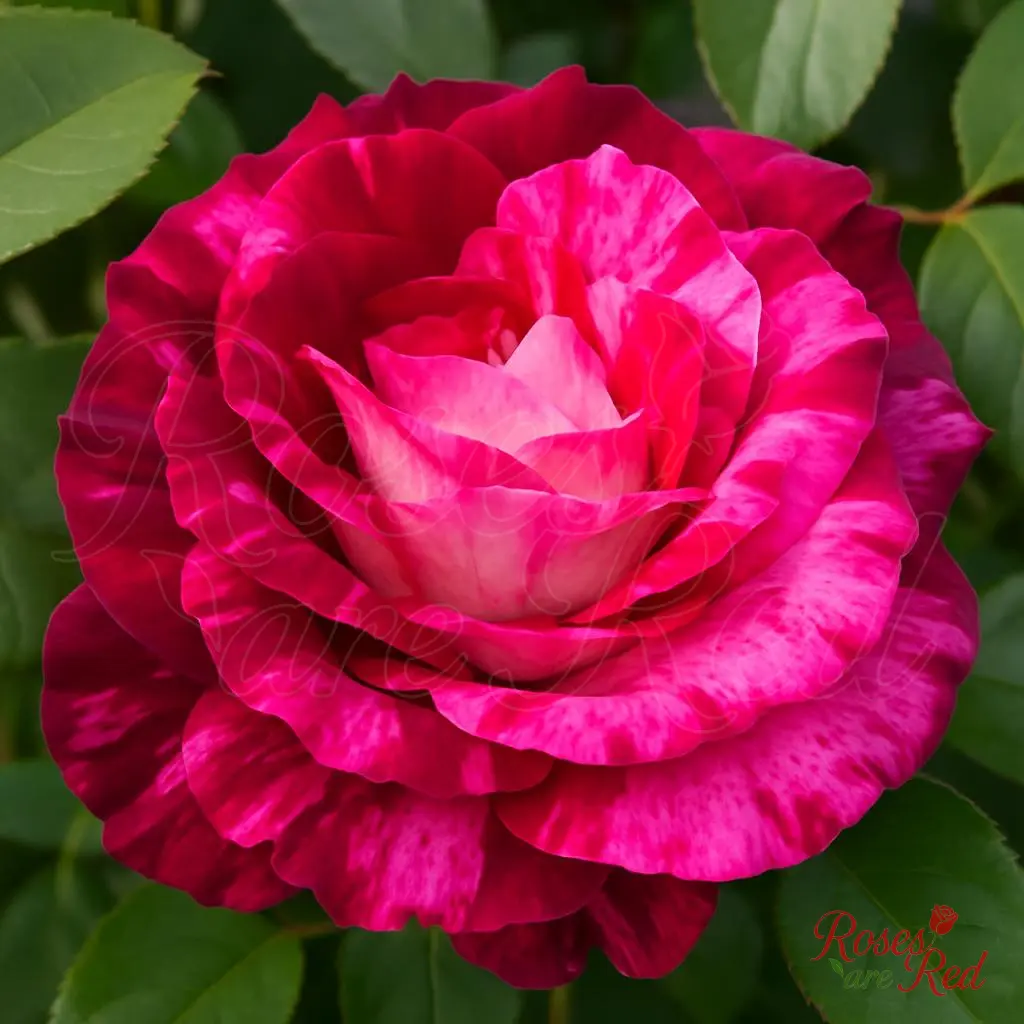
Modern Rose, floribunda "Purple Tiger", United States, introduced by Jack E. Christensen in 1991, Usually is white, pink, purple, lavender in color, high-center (point) bloom shape, blooms 8 - 9 cm in size, has 3-5 buds per stem, continual rebloom, has light fragrance, the bush shape can be bushy, 80 - 100 cm in height, 70 cm in width, suitable for USDA zone 6 from -23°C and above, low resistance to rain, low resistance to black spot, low resistance to mildew.
Main characteristics

Aroma

USDA Zone 6
-23°С

Rebloom


Bush Shape

Bloom Shape
High-center (Point)
Size

Height
80 - 100 cm

Width
70 cm
Bloom size
8 - 9 cm
Buds / Stem
3-5

Petal Count
Resistance

Heat

Shade

Rain

Black Spot

Mildew
More information
Striped roses became prominent in the 1980s and 1990s. Many breeders focused on them, and competition among cultivars increased. Purple Tiger has a distinctive color pattern—an irregular mix of purple-violet and white with spots and streaks, often with pink and lilac tones, with purple as the dominant color; suitable for floral arranging. Flowers typically appear in clusters of 3–5; repeat bloom is rapid, so the shrub carries flowers for most of the season. The variety shows some susceptibility to black spot; the shrub is compact, branched, and upright, and is almost thornless.
A purple-colored striped rose; susceptible to powdery mildew and black spot; not overly vigorous.
This new variety produces flowers in purple with white and lilac-pink streaks. It blooms in small clusters all summer; flowers are semi-marginal, with 26–40 petals, and are fragrant. Foliage is glossy; the shrub is low and almost without thorns. Suitable for flowerbeds; very susceptible to black spot.
Petals display radial striping in purple and white. Flowers have about 25 petals and do not exceed 6 cm in diameter. Once open, the form is flat. Mild fragrance with musk notes. Cyst-shaped inflorescences (up to 12 flowers) stand above the foliage. The variety blooms almost continuously; low habit (rarely more than 75 cm); fairly robust shrub. Leaves are light green and sparse. Used in mixed borders or where an unusual effect is desired.
A purple-colored striped rose; susceptible to powdery mildew and black spot; not overly vigorous.
This new variety produces flowers in purple with white and lilac-pink streaks. It blooms in small clusters all summer; flowers are semi-marginal, with 26–40 petals, and are fragrant. Foliage is glossy; the shrub is low and almost without thorns. Suitable for flowerbeds; very susceptible to black spot.
Petals display radial striping in purple and white. Flowers have about 25 petals and do not exceed 6 cm in diameter. Once open, the form is flat. Mild fragrance with musk notes. Cyst-shaped inflorescences (up to 12 flowers) stand above the foliage. The variety blooms almost continuously; low habit (rarely more than 75 cm); fairly robust shrub. Leaves are light green and sparse. Used in mixed borders or where an unusual effect is desired.
Popular Breeders
Articles