


 Sign in
 Rose Catalog
Prairie Joy, shrub

Share
Prices nearby
or to see prices for this rose

















Brief summary
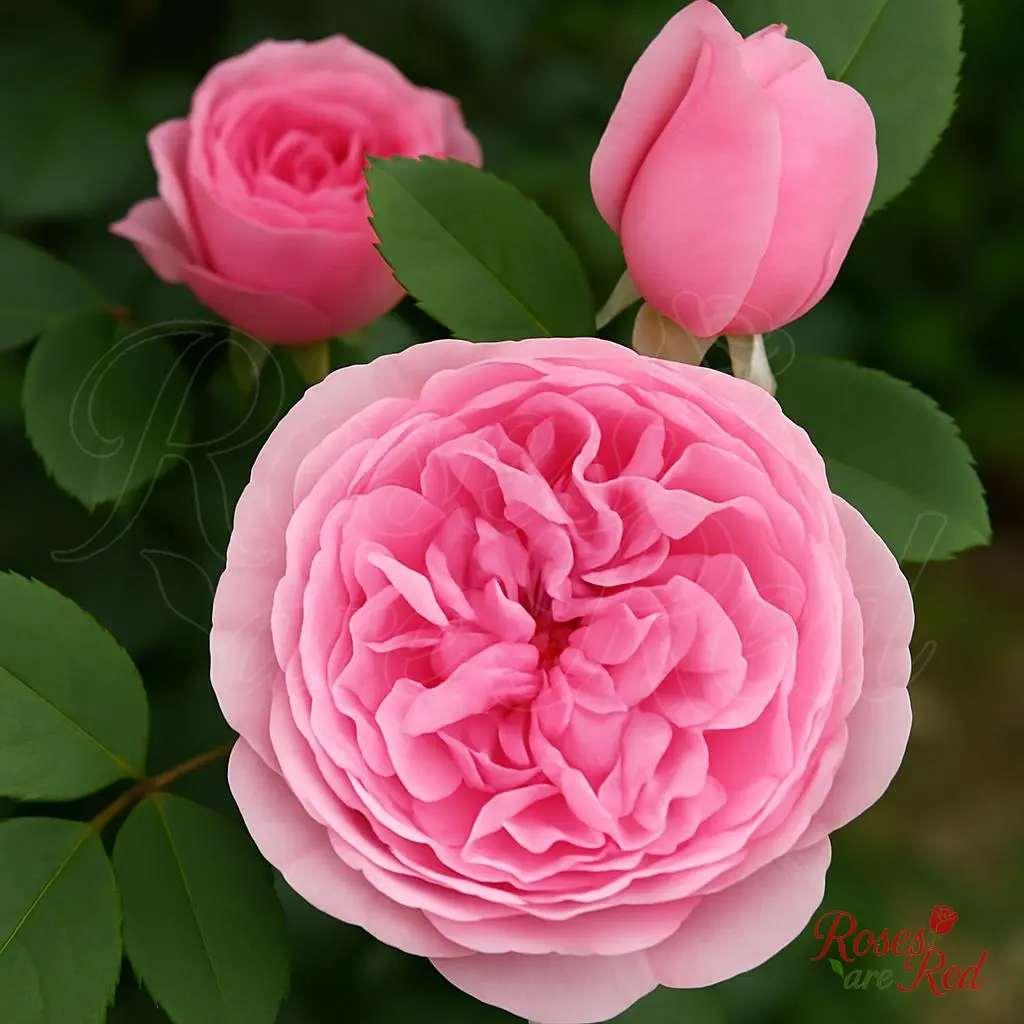
Modern Rose, shrub "Prairie Joy", Canada, introduced by Henry H. Marshall in 1977, Usually is fuchsia in color, globular bloom shape, blooms 6 - 7 cm in size, has 3-5 buds per stem, continual rebloom, has light fragrance, the bush shape can be bushy, 100 - 150 cm in height, 125 cm in width, suitable for USDA zone 3 from -40°C and above, low resistance to rain, strong resistance to black spot, strong resistance to mildew.
Main characteristics

Aroma

USDA Zone 3
-40°С

Rebloom


Bush Shape

Bloom Shape
Globular
Size

Height
100 - 150 cm

Width
125 cm
Bloom size
6 - 7 cm

Buds / Stem
3-5

Petal Count
Resistance

Heat

Shade

Rain

Black Spot
Mildew
More information
Although introduced as a hedge rose, it is also suitable for garden plantings. Flowers are fairly large, densely double, in the old rose style with a button center, deep pink fading to a delicate pink. They appear singly or in clusters of up to 6; afterwards small orange hips form. The shrub is strong, well-branched, and densely leafed. The variety is disease-resistant. It grows quickly, sending up successive new robust basal shoots that can arch during flowering. Cultivation is straightforward. Prairie Joy was bred by crossing hardy varieties, so its hardiness is high.
Prairie Joy is a relatively new variety that pairs a distinct flower shape with a low, neat bush, suitable for hedging. It blooms profusely and is quite winter-hardy. Somewhat susceptible to black spot.
Prairie Joy is a relatively new variety that pairs a distinct flower shape with a low, neat bush, suitable for hedging. It blooms profusely and is quite winter-hardy. Somewhat susceptible to black spot.
Popular Breeders
Articles