


 Sign in
 Rose Catalog
Share
Prices nearby
or to see prices for this rose



















Brief summary
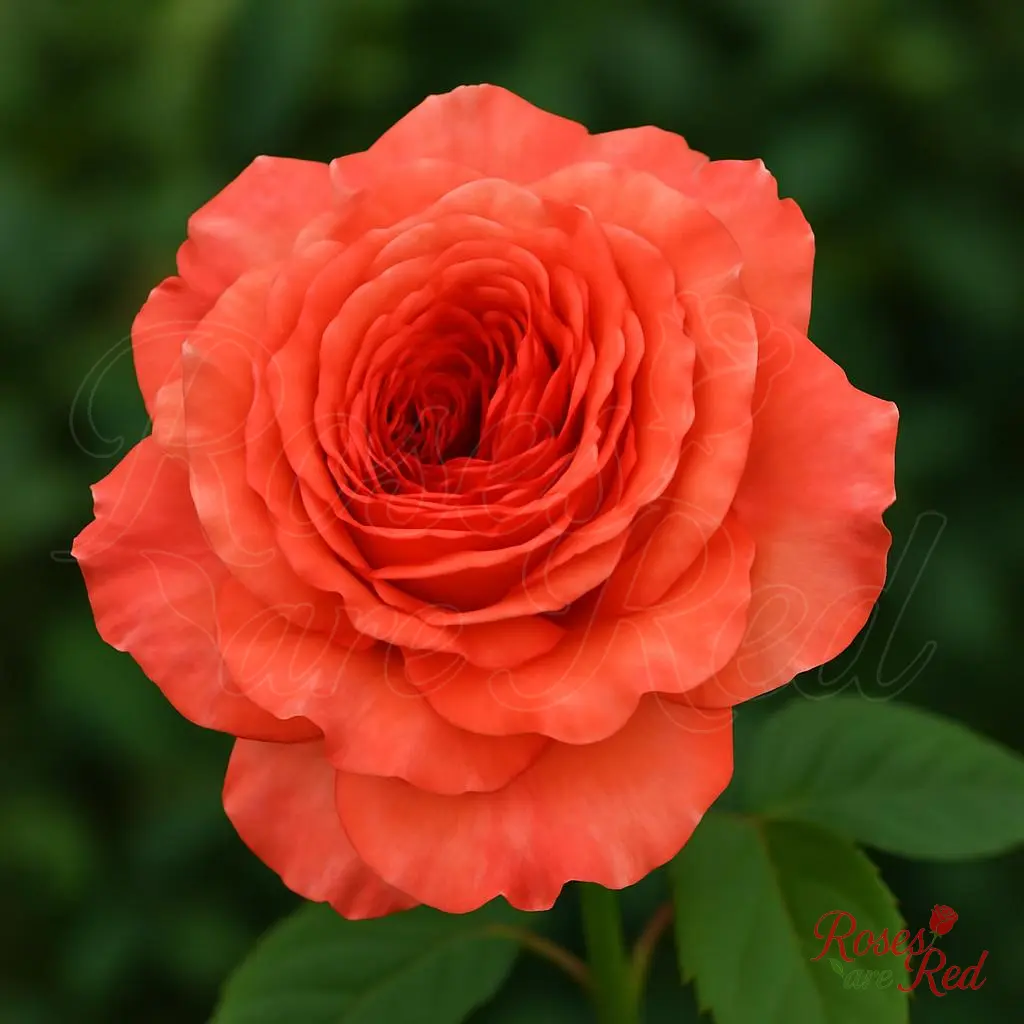
Modern Rose, large-flowered climber "Portlandia", United States, introduced by John Clements in 2002, Usually is pink, peach in color, globular bloom shape, very full petal count, blooms 9 - 10 cm in size, has 1-3 buds per stem, continual rebloom, has moderate fragrance, the bush shape can be climbing, bushy, 245 - 305 cm in height, suitable for USDA zone 5 from -29°C and above, strong resistance to rain, strong resistance to black spot, strong resistance to mildew.
Main characteristics

Aroma

USDA Zone 5
-29°С

Rebloom


Bush Shape


Bloom Shape
Globular
Size

Height
245 - 305 cm

Width

Bloom size
9 - 10 cm

Buds / Stem
1-3

Petal Count
Very full
Resistance

Heat

Shade

Rain

Black Spot

Mildew
More information
Tall climber. Bears pink-apricot blooms with a cream reverse and a golden-apricot center. Fruity fragrance of medium intensity. Very double flowers, 9–10 in size, carried in small clusters. Slow to open. Continuous flowering throughout the season. Dark green, leathery foliage. Suitable for garden or landscape use. Blooms keep well when cut.
John Clements (1936–2007) bred roses from the late 1970s. His program combined English roses and other rose forms, with emphasis on fragrance, beauty, and disease resistance. Heirloom Roses raised about 10,000 seedlings annually, each evaluated individually; over four years of assessment, approximately five were selected to be named and introduced. Seedlings were inspected without spraying for insects or diseases and without fertilization. The method aimed to identify selections demonstrating both disease resistance and vigor.
John Clements (1936–2007) bred roses from the late 1970s. His program combined English roses and other rose forms, with emphasis on fragrance, beauty, and disease resistance. Heirloom Roses raised about 10,000 seedlings annually, each evaluated individually; over four years of assessment, approximately five were selected to be named and introduced. Seedlings were inspected without spraying for insects or diseases and without fertilization. The method aimed to identify selections demonstrating both disease resistance and vigor.
Popular Breeders
Articles