


 Sign in
 Rose Catalog
Share
Prices nearby
or to see prices for this rose



















Brief summary
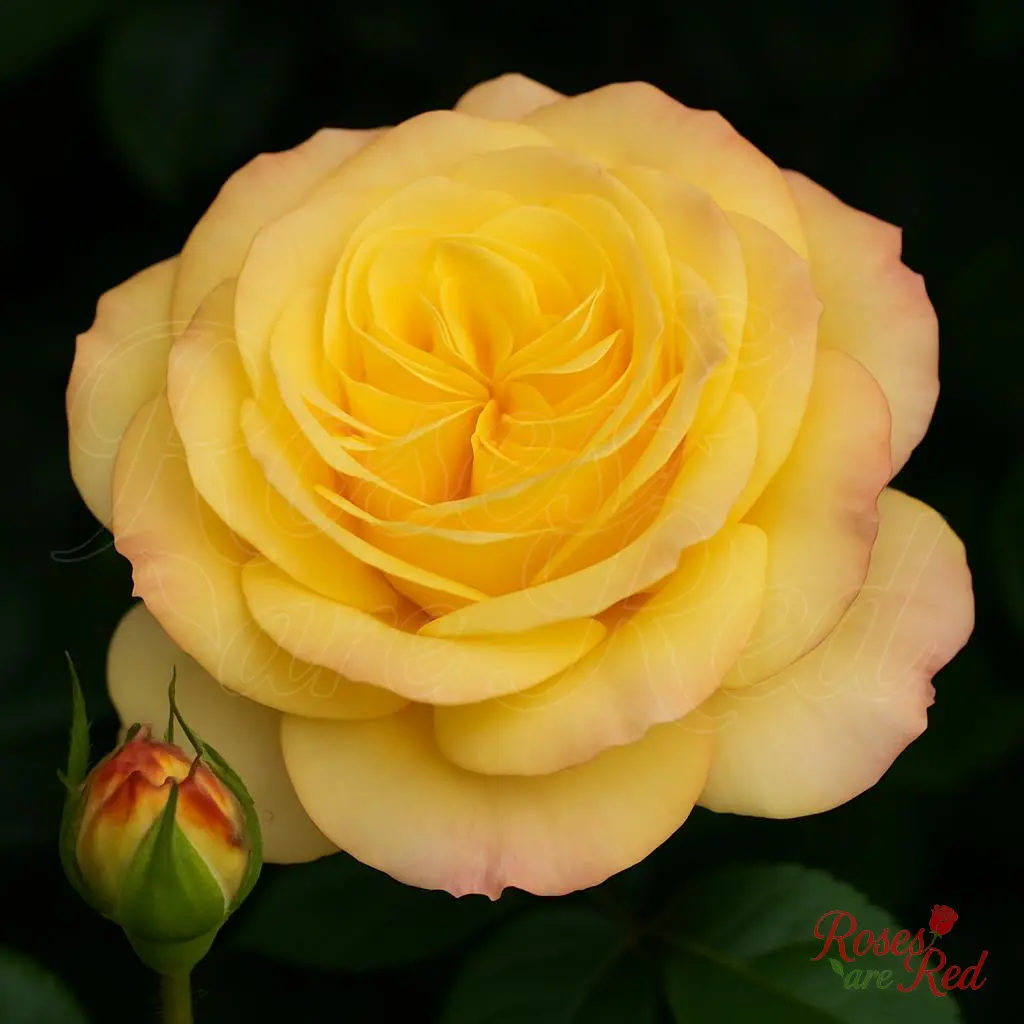
Modern Rose, hybrid tea "Peer Gynt", Germany, introduced by Kordes Rosen in 1968, Usually is yellow in color, high-center (point) bloom shape, blooms 8 - 9 cm in size, has 3-5 buds per stem, repeat rebloom, has light fragrance, the bush shape can be bushy, 120 - 150 cm in height, 100 cm in width, suitable for USDA zone 6 from -23°C and above, strong resistance to rain, moderate resistance to black spot, moderate resistance to mildew, good for cutting.
Main characteristics

Aroma

USDA Zone 6
-23°С

Rebloom


Bush Shape

Bloom Shape
High-center (Point)
Size

Height
120 - 150 cm

Width
100 cm
Bloom size
8 - 9 cm

Buds / Stem
3-5

Petal Count
Resistance

Heat

Shade

Rain

Black Spot
Mildew
More information
Although Peer Gynt is usually classified as a tea-hybrid rose, it is a transitional form between a tea-hybrid and a floribunda. When open, the blooms display stamens in a floribunda-like manner and are carried in clusters of up to 10; solitary blooms are rare. The fully opened flowers are lemon-yellow with golden stamens. Petals are short and broad, slightly wavy. At times—especially toward the end of the flowering period—the petal edges turn pink. The blooms hold well when cut. Among tea-hybrid roses, examples with an erect yet compact, broad bush and thick, strong shoots are few; Peer Gynt shows this habit. The foliage is large, glossy, dark green. Among yellow tea-hybrid roses, it is among the most winter-hardy and flowers until the first frost.
In the late 1960s it received many awards. In strong sun, the petal edges turn pink. Flower clusters are dense, and flowering is abundant. The petal edges are wavy. Performs better in cool climates.
In the late 1960s it received many awards. In strong sun, the petal edges turn pink. Flower clusters are dense, and flowering is abundant. The petal edges are wavy. Performs better in cool climates.
Popular Breeders
Articles