


 Sign in
 Rose Catalog
Peace, hybrid tea
Also known as
Gioia
Gloria Dei
Mme Antoine Meilland
Beke
Fredsrosen
MmeAMeilland
Share
Prices nearby
or to see prices for this rose



















Brief summary
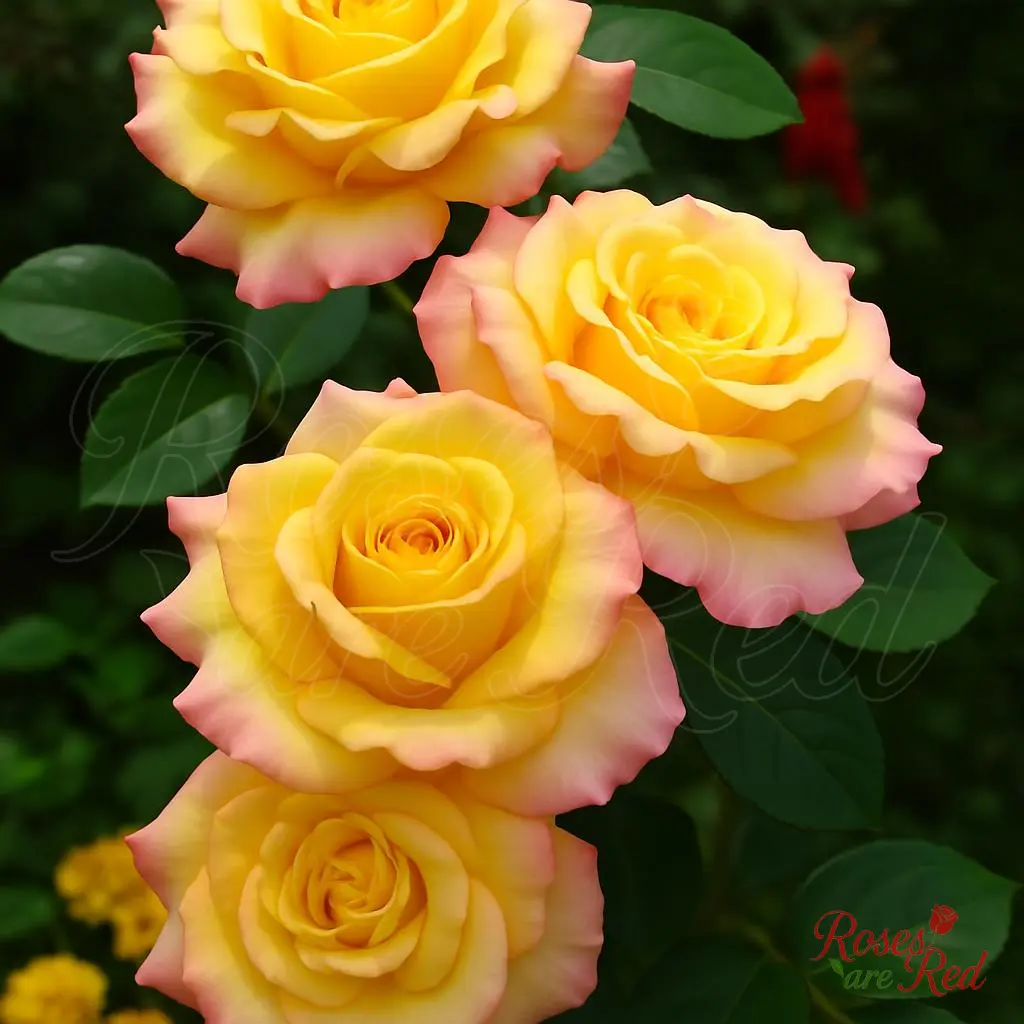
Modern Rose, hybrid tea "Peace", introduced by Meilland Roses in 1945, Usually is pink, yellow in color, high-center (point) bloom shape, blooms 14 - 15 cm in size, has 1 buds per stem, repeat rebloom, has moderate fragrance, the bush shape can be upright, 100 - 150 cm in height, 125 cm in width, suitable for USDA zone 6 from -23°C and above, moderate resistance to rain, moderate resistance to black spot, moderate resistance to mildew, good for cutting.
Main characteristics

Aroma

USDA Zone 6
-23°С

Rebloom


Bush Shape

Bloom Shape
High-center (Point)
Size

Height
100 - 150 cm

Width
125 cm

Bloom size
14 - 15 cm

Buds / Stem
1

Petal Count
Resistance

Heat

Shade

Rain

Black Spot

Mildew
More information
Mme A. Meilland is also known as Gloria Dei in Germany, Gioia in Italy, and Peace in English-speaking countries. The cultivar was named for the hybridizer’s mother, who died young. Flowers are very large, and the introduction of this variety is noted as influencing standards of rose quality. This cultivar is associated with the peak of rose popularity in the 1950s and 1960s. Blooms are very large at all stages, from buds to fully open flowers, although the plant shows variability in cultivation. The color is typically a soft yellow with a crimson margin that fades to creamy pink, with tone depending on season and growing location. Fragrance also varies, with reports ranging from no scent to a strong, sweet, fruity aroma. Consistent features reported include a robust bush, thick petals, large dark green foliage, and good disease resistance.
Bred by the French breeder Meilland at the end of World War II. Flowers are sometimes fragrant; flowering is abundant; the bush is winter-hardy and vigorous. There are reports that Peace is currently less yellow and bright than in the past.
A branched, vigorous shrub to 1.2 m tall with glossy dark green foliage. Flowers are very large, bright yellow with a pink-red edge, and lightly fragrant. The foliage provides visual interest even when the plant is not in bloom. This rose is disease resistant and winter hardy, and it is considered easy to grow.
Bred in France during World War II, the variety was shipped as unnamed cuttings in diplomatic luggage to the United States just before the Nazi occupation of France. It was propagated in an American nursery and released in 1945. The rose returned to liberated France under the name Peace, and later flowers of this variety were placed on all the tables at a United Nations meeting. Blooms are large and double, pale yellow with a pink edge. The plant is vigorous, winter-hardy, and disease-resistant, with some susceptibility to black spot in southern regions.
Bred by the French breeder Meilland at the end of World War II. Flowers are sometimes fragrant; flowering is abundant; the bush is winter-hardy and vigorous. There are reports that Peace is currently less yellow and bright than in the past.
A branched, vigorous shrub to 1.2 m tall with glossy dark green foliage. Flowers are very large, bright yellow with a pink-red edge, and lightly fragrant. The foliage provides visual interest even when the plant is not in bloom. This rose is disease resistant and winter hardy, and it is considered easy to grow.
Bred in France during World War II, the variety was shipped as unnamed cuttings in diplomatic luggage to the United States just before the Nazi occupation of France. It was propagated in an American nursery and released in 1945. The rose returned to liberated France under the name Peace, and later flowers of this variety were placed on all the tables at a United Nations meeting. Blooms are large and double, pale yellow with a pink edge. The plant is vigorous, winter-hardy, and disease-resistant, with some susceptibility to black spot in southern regions.
Popular Breeders
Articles