


 Sign in
 Rose Catalog
Paul's Scarlet Climber, hybrid wichurana

Share
Prices nearby
or to see prices for this rose



















Brief summary
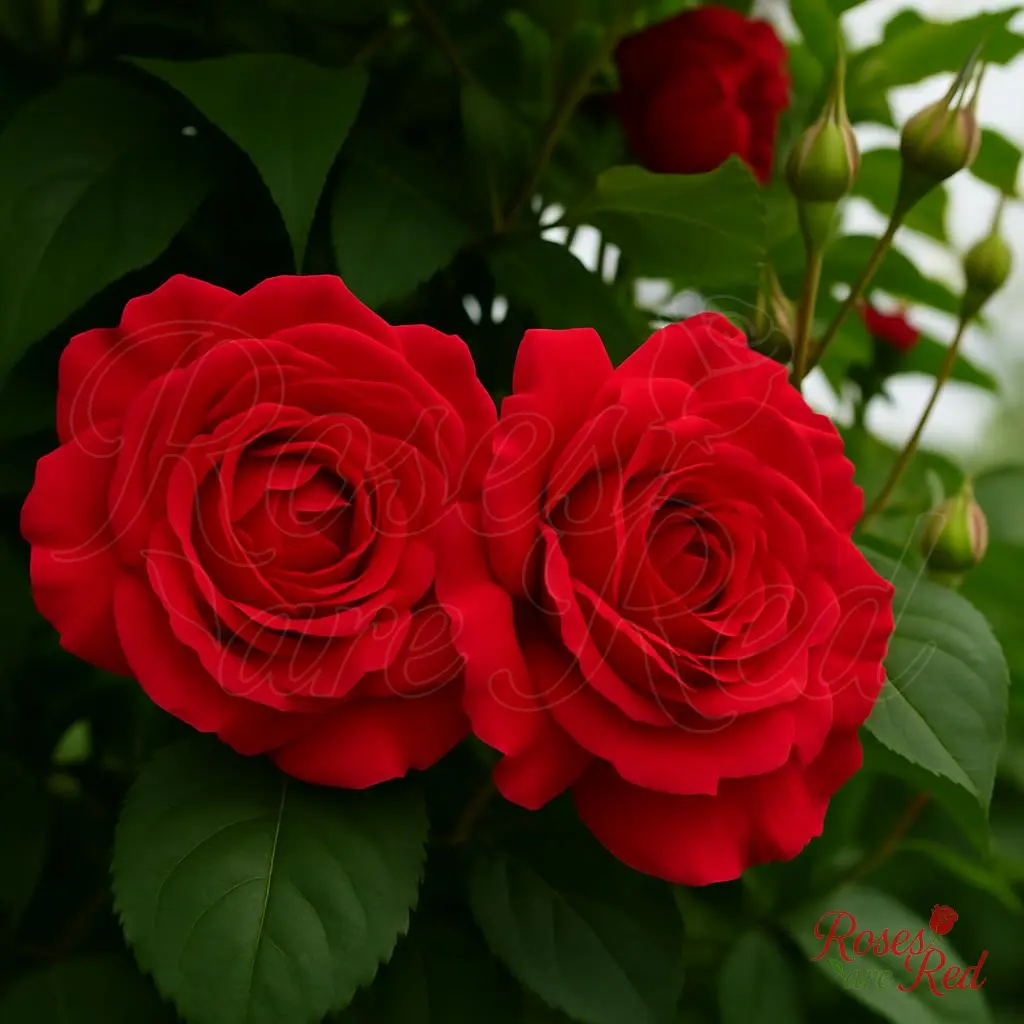
Modern Rose, hybrid wichurana "Paul's Scarlet Climber", United Kingdom, introduced by William Paul in 1916, Usually is crimson in color, cupped bloom shape, blooms 7 - 8 cm in size, has 3-5 buds per stem, once rebloom, has light fragrance, the bush shape can be upright, 200 - 300 cm in height, 200 cm in width, suitable for USDA zone 5 from -29°C and above, moderate resistance to rain, moderate resistance to black spot, moderate resistance to mildew.
Main characteristics

Aroma

USDA Zone 5
-29°С

Rebloom


Bush Shape

Bloom Shape
Cupped
Size

Height
200 - 300 cm

Width
200 cm

Bloom size
7 - 8 cm

Buds / Stem
3-5

Petal Count
Resistance

Heat

Shade

Rain

Black Spot

Mildew
More information
Produces clusters of semi-double, bright red, medium-sized flowers. Blooms are cup-shaped. The bush is upright, with large thorns. Foliage is dark green and matte. Flowers once. Tolerates partial shade and poor soils.
Paul's Scarlet Climber has been cultivated since its introduction across hot and cold regions worldwide. The flowers are bright crimson, with a scarlet glow at first, then turn slightly purplish and fade to cherry. They appear in clusters of 3–15 on long shoots and tolerate heat and rain. Flowering is abundant. The variety is winter-hardy and disease-resistant, with thick, spiny shoots. Tolerates poor soils and is adaptable to a wide range of conditions.
This winter-hardy, brightly colored rambler is grown in North America and Europe. The flowers are not actually scarlet, but cherry. They are well-shaped, medium-sized (6–7 cm), semi-double, lightly fragrant, and appear in large numbers in medium-sized clusters all summer and early autumn; occasionally 1–2 flowers appear later. The flowers are resistant to rain and heat. The bush is of medium vigor, usually up to 3 m tall.
The British Royal Rose Society refers to this rose as a pleached floribunda, describing its display of large clusters of medium-sized flowers. The blooms consist of about 30 petals of bright red color. Once open they are cup-shaped, with a light honey fragrance. Blooming can be abundant enough that the foliage is largely obscured. There is very little or no repeat flowering. Susceptible to powdery mildew; dry locations should be avoided.
Paul's Scarlet Climber has been cultivated since its introduction across hot and cold regions worldwide. The flowers are bright crimson, with a scarlet glow at first, then turn slightly purplish and fade to cherry. They appear in clusters of 3–15 on long shoots and tolerate heat and rain. Flowering is abundant. The variety is winter-hardy and disease-resistant, with thick, spiny shoots. Tolerates poor soils and is adaptable to a wide range of conditions.
This winter-hardy, brightly colored rambler is grown in North America and Europe. The flowers are not actually scarlet, but cherry. They are well-shaped, medium-sized (6–7 cm), semi-double, lightly fragrant, and appear in large numbers in medium-sized clusters all summer and early autumn; occasionally 1–2 flowers appear later. The flowers are resistant to rain and heat. The bush is of medium vigor, usually up to 3 m tall.
The British Royal Rose Society refers to this rose as a pleached floribunda, describing its display of large clusters of medium-sized flowers. The blooms consist of about 30 petals of bright red color. Once open they are cup-shaped, with a light honey fragrance. Blooming can be abundant enough that the foliage is largely obscured. There is very little or no repeat flowering. Susceptible to powdery mildew; dry locations should be avoided.
Popular Breeders
Articles