


 Sign in
 Rose Catalog
Paul’s Lemon Pillar, hybrid tea

Also known as
Lemon Pillar
Mrs John Whicher
Share
Prices nearby
or to see prices for this rose



















Brief summary
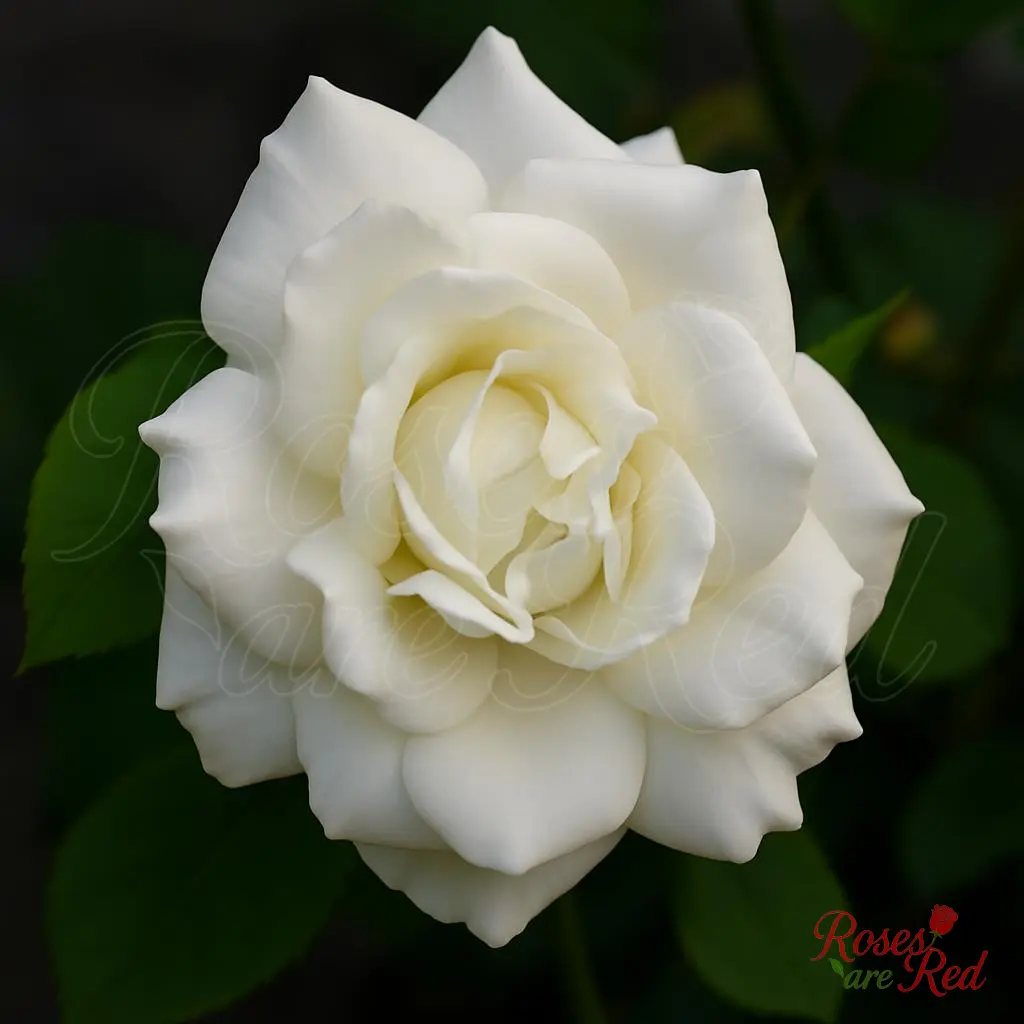
Modern Rose, hybrid tea "Paul’s Lemon Pillar", United Kingdom, introduced by George Paul in 1915, Usually is white in color, high-center (point) bloom shape, blooms 12 - 13 cm in size, has 3-5 buds per stem, once rebloom, has rich fragrance, the bush shape can be climbing, upright, 300 - 400 cm in height, 200 cm in width, low resistance to rain, moderate resistance to black spot, moderate resistance to mildew.
Main characteristics

Aroma

Rebloom


Bush Shape


Bloom Shape
High-center (Point)
Size

Height
300 - 400 cm

Width
200 cm

Bloom size
12 - 13 cm

Buds / Stem
3-5

Petal Count
Resistance

Heat

Shade

Rain

Black Spot

Mildew
More information
Paul's Lemon Pillar is generally not suited to training on a pole (pillar), and its colour is not truly lemon but darker. A lemon tint may appear at the centres of the blooms, which soon shift to cream and then white. It quickly reaches about 4 metres in height. The flowers often nod under their own weight, though the shoots that carry them are long and strong; the whole shrub is vigorous, with stiff, upright canes. The thick shoots are well-armed with thorns. Petals curl at the edges and are damaged by rain, so the rose performs better in hot, dry climates.
This variety is often placed within tea-hybrid climbers, yet it is closer to a tea-noisette. It is less winter-hardy than most tea-hybrid roses. The colour is cream that bleaches to white rather than lemon yellow. The blooms are large, 12–13 cm across, high-centred, and sweetly fragrant, and they do not fade for a long time. The petals are soft and readily damaged by rain. Flowers are borne on long shoots. The plant is vigorous, flowers abundantly, but only once. It grows best in warm, dry climates.
The name can be misleading, as the tone is closer to the pulp of a lemon than its rind. Large rounded buds open to a creamy yellow. Fully open, sweetly fragrant flowers are cup-shaped, densely petalled, very large, with broad petals. They keep their shape for a long time. Flowers appear only in summer and are susceptible to rain; moisture can cause rot. The rose is best planted against a warm wall, where its stiff shoots can be trained horizontally. The foliage is large, dark green, and rather sparse.
This variety is often placed within tea-hybrid climbers, yet it is closer to a tea-noisette. It is less winter-hardy than most tea-hybrid roses. The colour is cream that bleaches to white rather than lemon yellow. The blooms are large, 12–13 cm across, high-centred, and sweetly fragrant, and they do not fade for a long time. The petals are soft and readily damaged by rain. Flowers are borne on long shoots. The plant is vigorous, flowers abundantly, but only once. It grows best in warm, dry climates.
The name can be misleading, as the tone is closer to the pulp of a lemon than its rind. Large rounded buds open to a creamy yellow. Fully open, sweetly fragrant flowers are cup-shaped, densely petalled, very large, with broad petals. They keep their shape for a long time. Flowers appear only in summer and are susceptible to rain; moisture can cause rot. The rose is best planted against a warm wall, where its stiff shoots can be trained horizontally. The foliage is large, dark green, and rather sparse.
Popular Breeders
Articles