


 Sign in
 Rose Catalog
Paul Neyron, hybrid perpetual
Also known as
Paul Neron
Share
Prices nearby
or to see prices for this rose



















Brief summary
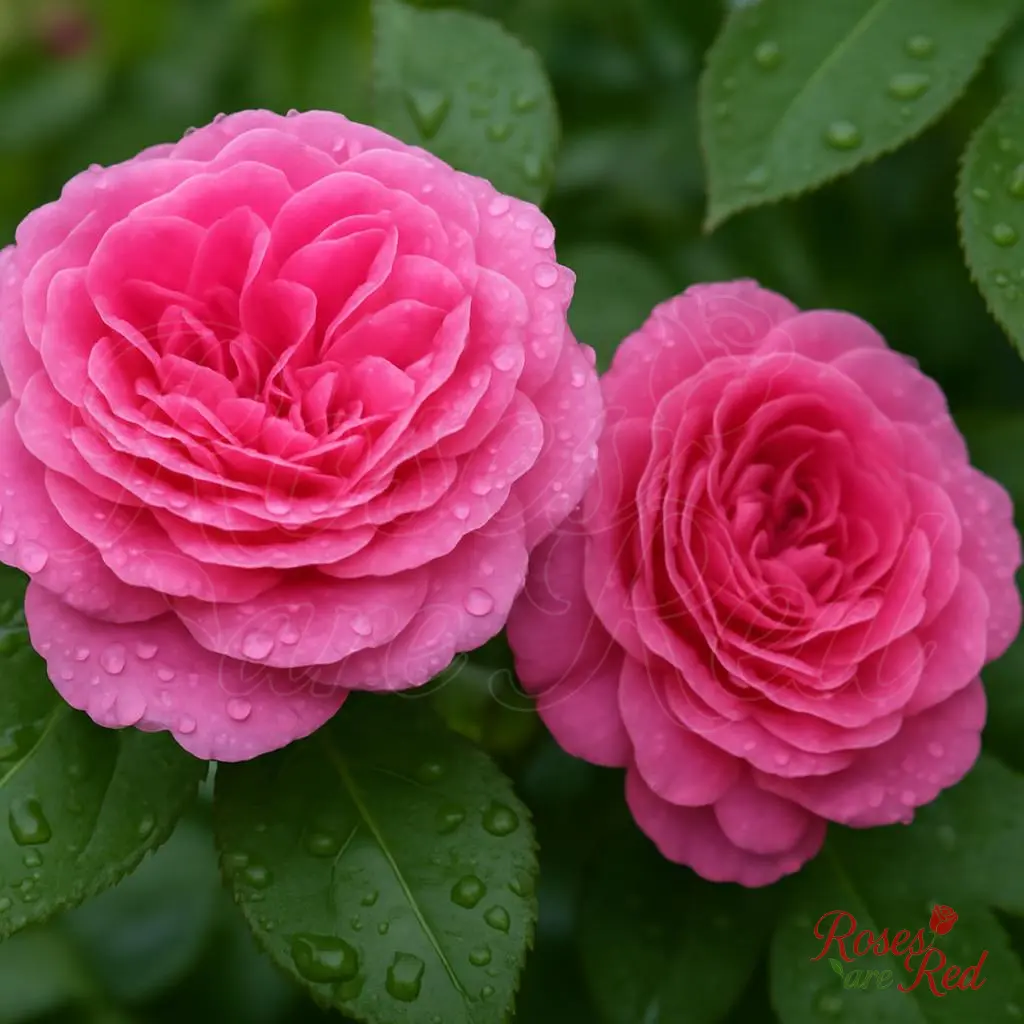
Old Garden Rose, hybrid perpetual "Paul Neyron", France, introduced by Antoine Levet (père) in 1869, Usually is pink, fuchsia in color, deep cup bloom shape, blooms 14 - 18 cm in size, has 1-3 buds per stem, repeat rebloom, has rich fragrance, the bush shape can be upright, 100 - 150 cm in height, 100 cm in width, suitable for USDA zone 5 from -29°C and above, low resistance to rain, moderate resistance to black spot, moderate resistance to mildew.
Main characteristics

Aroma

USDA Zone 5
-29°С

Rebloom


Bush Shape

Bloom Shape
Deep cup
Size

Height
100 - 150 cm

Width
100 cm
Bloom size
14 - 18 cm

Buds / Stem
1-3

Petal Count
Resistance

Heat

Shade

Rain

Black Spot
Mildew
More information
A century ago, Paul Neyron was recorded as the rose with the largest blooms; under favorable conditions its flowers reach 16–17 cm. The blooms are deep pink with a lilac tint and a silvery reverse to the petals. Globular buds open into very large, cupped flowers that are very full, with undulating, peony-like petals. The blooms are held firmly on strong shoots, do not droop, and usually appear singly, occasionally 2–3 together. The foliage is large, matte green, with some susceptibility to black spot. With attentive cultivation, growth and flowering increase; in hot climates, with adequate feeding and watering, it repeats roughly every six weeks.
Cupped blooms stand out against bright green foliage on a vigorous bush. The flowers show a purple cast and a peony-like appearance, reaching about 12.5 cm in diameter. Without protection, it can freeze completely.
Paul Neyron bears fragrant, bright pink flowers up to 18 cm across, held vertically on strong, upright shoots. The foliage is large and glossy. This vigorous variety requires ample space and is used at the back of a mixed border.
Cupped blooms stand out against bright green foliage on a vigorous bush. The flowers show a purple cast and a peony-like appearance, reaching about 12.5 cm in diameter. Without protection, it can freeze completely.
Paul Neyron bears fragrant, bright pink flowers up to 18 cm across, held vertically on strong, upright shoots. The foliage is large and glossy. This vigorous variety requires ample space and is used at the back of a mixed border.
Popular Breeders
Articles