
 Sign in
 Rose Catalog
Papillon, tea
Nabonnand (Nabonnand), 1881
Share
Prices nearby
or to see prices for this rose

















Brief summary
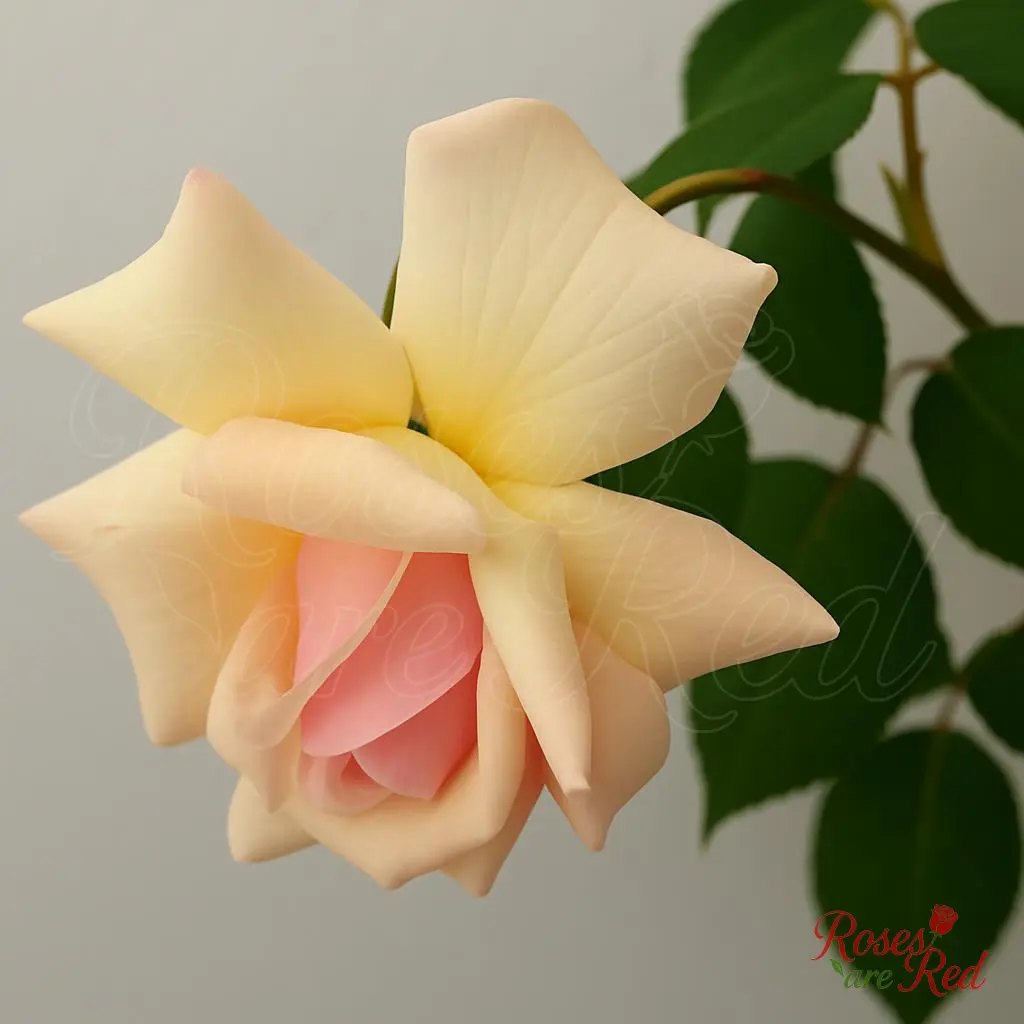
Old Garden Rose, tea "Papillon", France, introduced by Nabonnand in 1881, Usually is brown, salmon in color, flat bloom shape, blooms 7 - 8 cm in size, has 1-3 buds per stem, repeat rebloom, has light fragrance, the bush shape can be climbing, bushy, 100 - 150 cm in height, 100 cm in width, suitable for USDA zone 6 from -23°C and above, low resistance to rain, moderate resistance to black spot, moderate resistance to mildew.
Main characteristics

Aroma

USDA Zone 6
-23°С

Rebloom


Bush Shape


Bloom Shape
Flat
Size

Height
100 - 150 cm

Width
100 cm
Bloom size
7 - 8 cm
Buds / Stem
1-3

Petal Count
Resistance

Heat

Shade

Rain

Black Spot
Mildew
More information
Papillon produces vivid copper-pink blooms with a white patch at the base and orange-pink shadings. Flowers open cup-shaped and later become flat; the wavy petals curve so they resemble butterflies. Flowering is profuse; blooms appear singly and in clusters, contrasted by copper young foliage. The variety is slow-growing, but in hot climates can eventually reach 3 m; however, it usually does not exceed 1 m. Repeat-blooming.
The flowers are coppery salmon-orange, medium-sized, semi-branched, and suggest a flock of butterflies on the shrub, which gives the cultivar its name (“papillon” in French = “butterfly”). Blooming is abundant; foliage is copper. Often trained to a pole, as growth is slow and it may not reach the plaited support. Sometimes classified as a Noisette, but more often as a Tea rose.
The flowers are coppery salmon-orange, medium-sized, semi-branched, and suggest a flock of butterflies on the shrub, which gives the cultivar its name (“papillon” in French = “butterfly”). Blooming is abundant; foliage is copper. Often trained to a pole, as growth is slow and it may not reach the plaited support. Sometimes classified as a Noisette, but more often as a Tea rose.
Popular Breeders
Articles