


 Sign in
 Rose Catalog
Nozomi, miniature
Also known as
Heideroslein
Heideroslein-Nozomi
Share
Prices nearby
or to see prices for this rose



















Brief summary
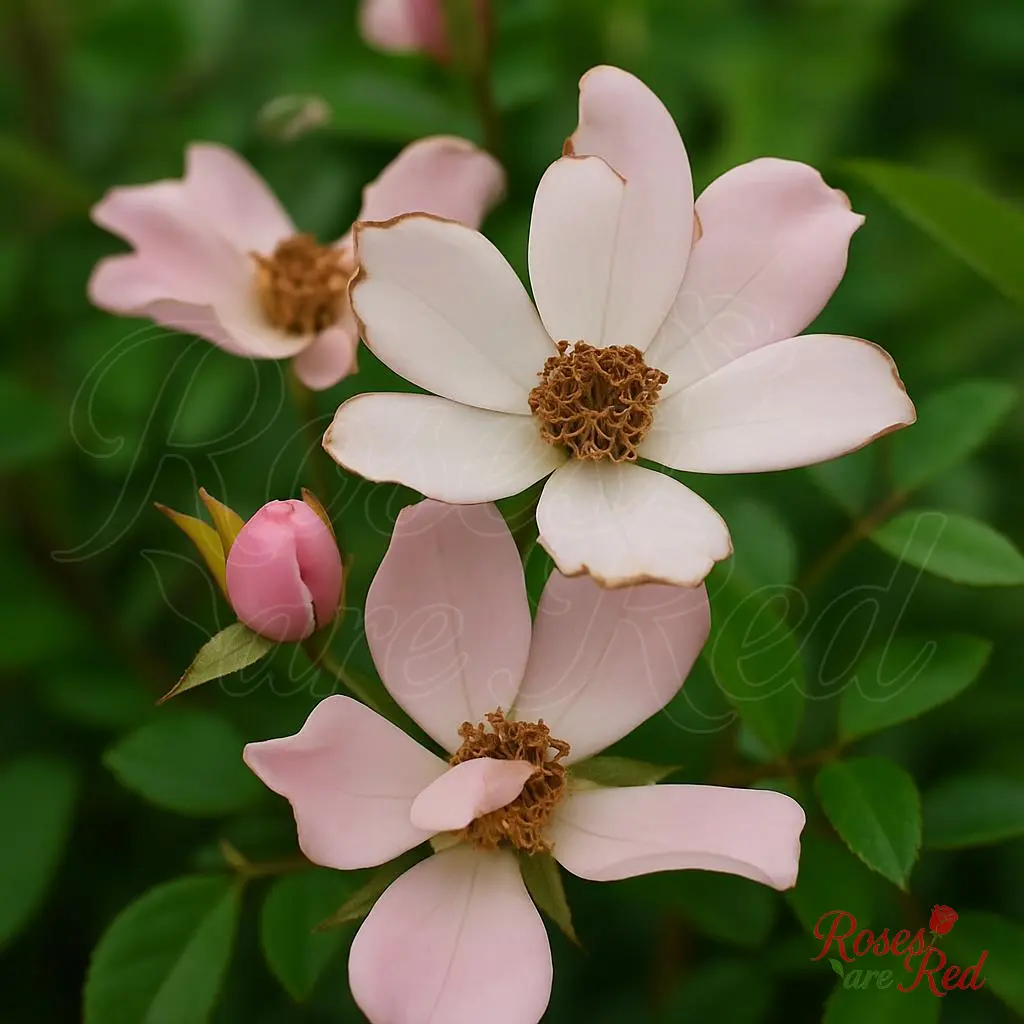
Modern Rose, miniature "Nozomi", introduced in 1968, Usually is pink in color, flat bloom shape, blooms 2 - 3 cm in size, has 5-10 buds per stem, once rebloom, has light fragrance, the bush shape can be spreading, 50 - 60 cm in height, 150 cm in width, suitable for USDA zone 6 from -23°C and above, strong resistance to rain, moderate resistance to black spot, moderate resistance to mildew.
Main characteristics

Aroma

USDA Zone 6
-23°С

Rebloom


Bush Shape

Bloom Shape
Flat
Size

Height
50 - 60 cm

Width
150 cm

Bloom size
2 - 3 cm

Buds / Stem
5-10

Petal Count
Resistance

Heat

Shade

Rain

Black Spot

Mildew
More information
Officially classified among the “plaited miniature” roses, but Nozomi is more widely grown as a groundcover rose. Shoots are covered with clusters of small single flowers of delicate pink, reminiscent of apple blossom. Although it flowers only once and has no fragrance, many modern groundcover roses trace descent from it in one way or another.
The variety remains popular in cultivation. Traits include single flowers and a compact bush. Sometimes called the smallest of the groundcover roses, it is suitable for containers. Its creeping growth habit and zigzag stems also suit rock gardens and Japanese gardens. Bred in Japan. The petals are pearly pink, narrow, darker on the reverse, with a cluster of golden stamens in the center. Blooms only once. Occasionally small red hips appear. The foliage is very fine, dark, glossy, with fairly good disease resistance.
Although the foliage and flowers are tiny, the plant has long shoots, so it is classed as a miniature “pleached” rose. The flowers appear in large clusters for most of the summer; they are single, pearly pink, star-shaped. Thanks to its spreading habit, Nozomi is suitable for hanging baskets, planting at the edge of a retaining wall or a low support. The rose can be planted in a mixed border. When grafted onto a standard, it forms a weeping crown. The variety is winter-hardy enough for cultivation in the north and also does well in southern gardens.
The variety remains popular in cultivation. Traits include single flowers and a compact bush. Sometimes called the smallest of the groundcover roses, it is suitable for containers. Its creeping growth habit and zigzag stems also suit rock gardens and Japanese gardens. Bred in Japan. The petals are pearly pink, narrow, darker on the reverse, with a cluster of golden stamens in the center. Blooms only once. Occasionally small red hips appear. The foliage is very fine, dark, glossy, with fairly good disease resistance.
Although the foliage and flowers are tiny, the plant has long shoots, so it is classed as a miniature “pleached” rose. The flowers appear in large clusters for most of the summer; they are single, pearly pink, star-shaped. Thanks to its spreading habit, Nozomi is suitable for hanging baskets, planting at the edge of a retaining wall or a low support. The rose can be planted in a mixed border. When grafted onto a standard, it forms a weeping crown. The variety is winter-hardy enough for cultivation in the north and also does well in southern gardens.
Popular Breeders
Articles