


 Sign in
 Rose Catalog
Nevada, hybrid moyesii
Also known as
Rosa moyesii Nevada
Share
Prices nearby
or to see prices for this rose



















Brief summary
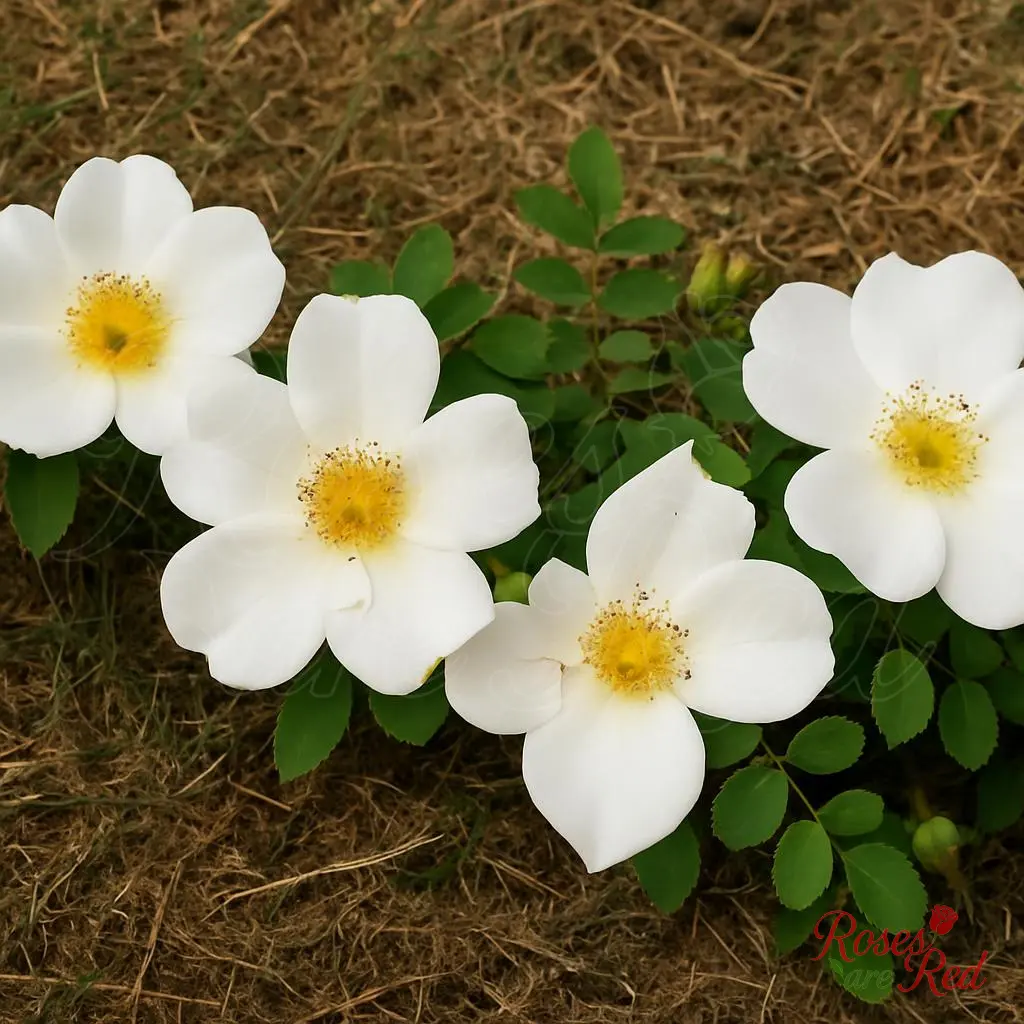
Modern Rose, hybrid moyesii "Nevada", introduced in 1927, Usually is white in color, flat bloom shape, blooms 8 - 10 cm in size, has 1-3 buds per stem, repeat rebloom, has light fragrance, the bush shape can be arching, 150 - 200 cm in height, 200 cm in width, low resistance to rain, low resistance to black spot, moderate resistance to mildew.
Main characteristics

Aroma

Rebloom


Bush Shape

Bloom Shape
Flat
Size

Height
150 - 200 cm

Width
200 cm

Bloom size
8 - 10 cm

Buds / Stem
1-3

Petal Count
Resistance

Heat

Shade

Rain

Black Spot

Mildew
More information
In cold climates, this shrub flowers very early: Nevada and the Fruhling series are among the first roses to bloom in Germany in late spring. The flowers are large and single, with loosely arranged pale cream petals that quickly fade to white. Yellow stamens define the flower’s appearance. The shoots are long and arching, drooping as the bush matures, with large white, saucer-like blooms spaced along their full length. The plant needs several years to reach its stated size; in hot climates it can grow up to 5 metres, and due to its winter hardiness the cultivar is recommended for growers in Scandinavia. The foliage is fine and can be affected by black spot. In hot weather, the flowers sometimes turn pink with age.
Hybrid moyesii. Blooms profusely with large single flowers up to 7.5 cm in diameter. The white petals are often pink-tinged, contrasting with the golden stamens. The shoots are purple. A vigorous variety, sometimes used as a climber in warm climates. Some susceptibility to black spot. Not completely winter hardy; frost damage may occur. Winter covering is recommended.
Nevada has pink or apricot buds that open into large white flowers about 10 cm in diameter with crimson spots on the reverse. The flowers are single, weather-resistant, borne in clusters on short pedicels, covering the entire bush. The foliage is bright green and usually disease-resistant. In humid climates, black spot can appear at the end of the season without prevention. The bush is tall, reaching 2 metres in most climates. The rose is seldom without bloom and combines traits of wild species with those of modern shrubs.
Hybrid moyesii. Blooms profusely with large single flowers up to 7.5 cm in diameter. The white petals are often pink-tinged, contrasting with the golden stamens. The shoots are purple. A vigorous variety, sometimes used as a climber in warm climates. Some susceptibility to black spot. Not completely winter hardy; frost damage may occur. Winter covering is recommended.
Nevada has pink or apricot buds that open into large white flowers about 10 cm in diameter with crimson spots on the reverse. The flowers are single, weather-resistant, borne in clusters on short pedicels, covering the entire bush. The foliage is bright green and usually disease-resistant. In humid climates, black spot can appear at the end of the season without prevention. The bush is tall, reaching 2 metres in most climates. The rose is seldom without bloom and combines traits of wild species with those of modern shrubs.
Popular Breeders
Articles