


 Sign in
 Rose Catalog
Morden Amorette, shrub
Share
Prices nearby
or to see prices for this rose



















Brief summary
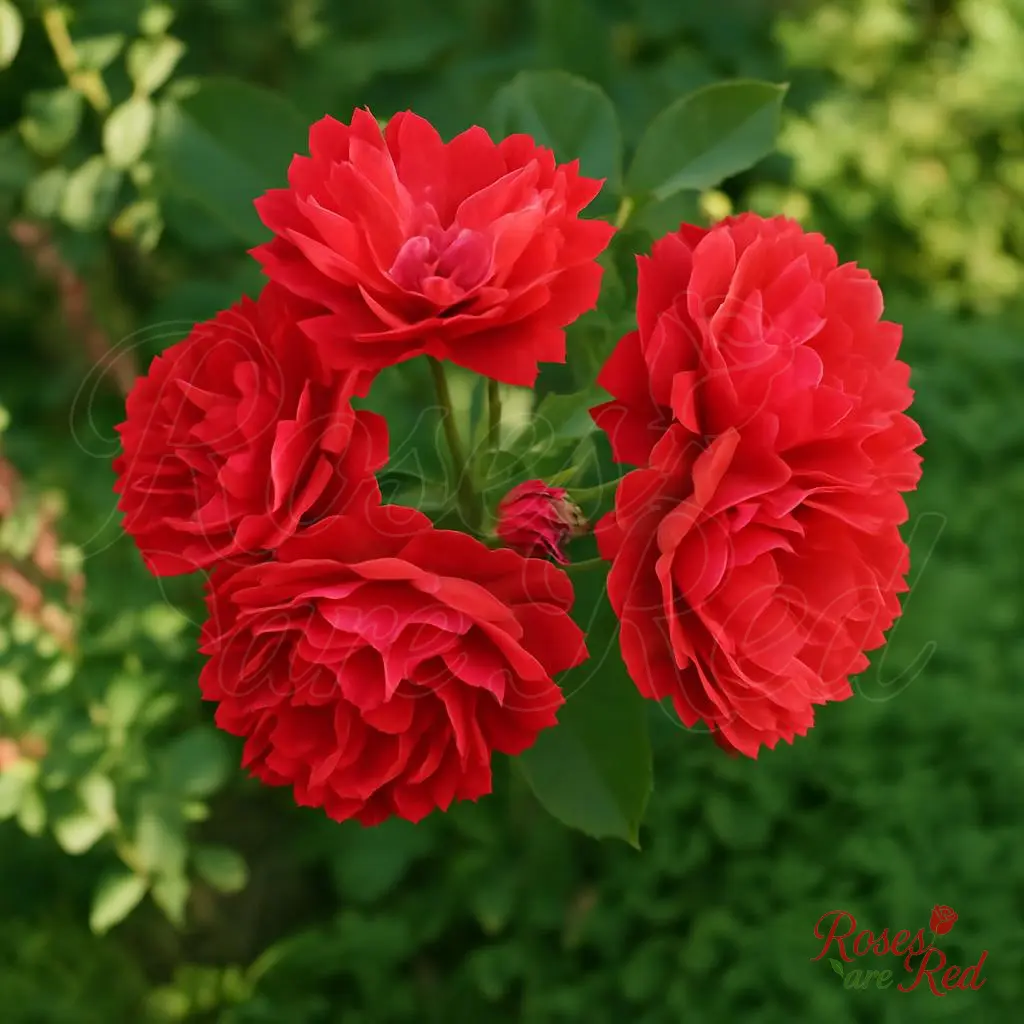
Modern Rose, shrub "Morden Amorette", introduced by Henry H. Marshall in 1977, Usually is fuchsia in color, semi double bloom shape, blooms 6 - 7 cm in size, has 3-5 buds per stem, repeat rebloom, has light fragrance, the bush shape can be bushy, 90 - 100 cm in height, 100 cm in width, moderate resistance to black spot, moderate resistance to mildew.
Main characteristics

Aroma

Rebloom


Bush Shape

Bloom Shape
Semi double
Size

Height
90 - 100 cm

Width
100 cm

Bloom size
6 - 7 cm

Buds / Stem
3-5

Petal Count
Resistance

Heat

Shade

Rain

Black Spot

Mildew
More information
The Parkland rose series was developed for severe Canadian winters and is cultivated in a range of climates. Members of this series vary notably by climate: for example, Morden Amorette remains under 50 cm in Manitoba’s cold conditions, but reaches 3 m in southern California. The flowers are bright pink with a purple tinge and a white central spot. The petals are white on the underside; with age, the tips fade to cream. Blooms appear singly or in clusters of up to 7. Morden Amorette has fine foliage and is disease resistant in dry climates, but in Canada can be affected by powdery mildew and black spot. Removing the fading flowers from the first bloom improves flowering. In Canada it forms a low, compact shrub; in hot climates it grows into a tall, loose shrub. Susceptible to black spot. May freeze in harsh winters.
Popular Breeders
Articles