


 Sign in
 Rose Catalog
Mme Isaac Pereire, bourbon

Garcon (Garcon), 1881
Also known as
La Bienheureux de la Salle
Madame Isaac Pereire
Share
Prices nearby
or to see prices for this rose



















Brief summary
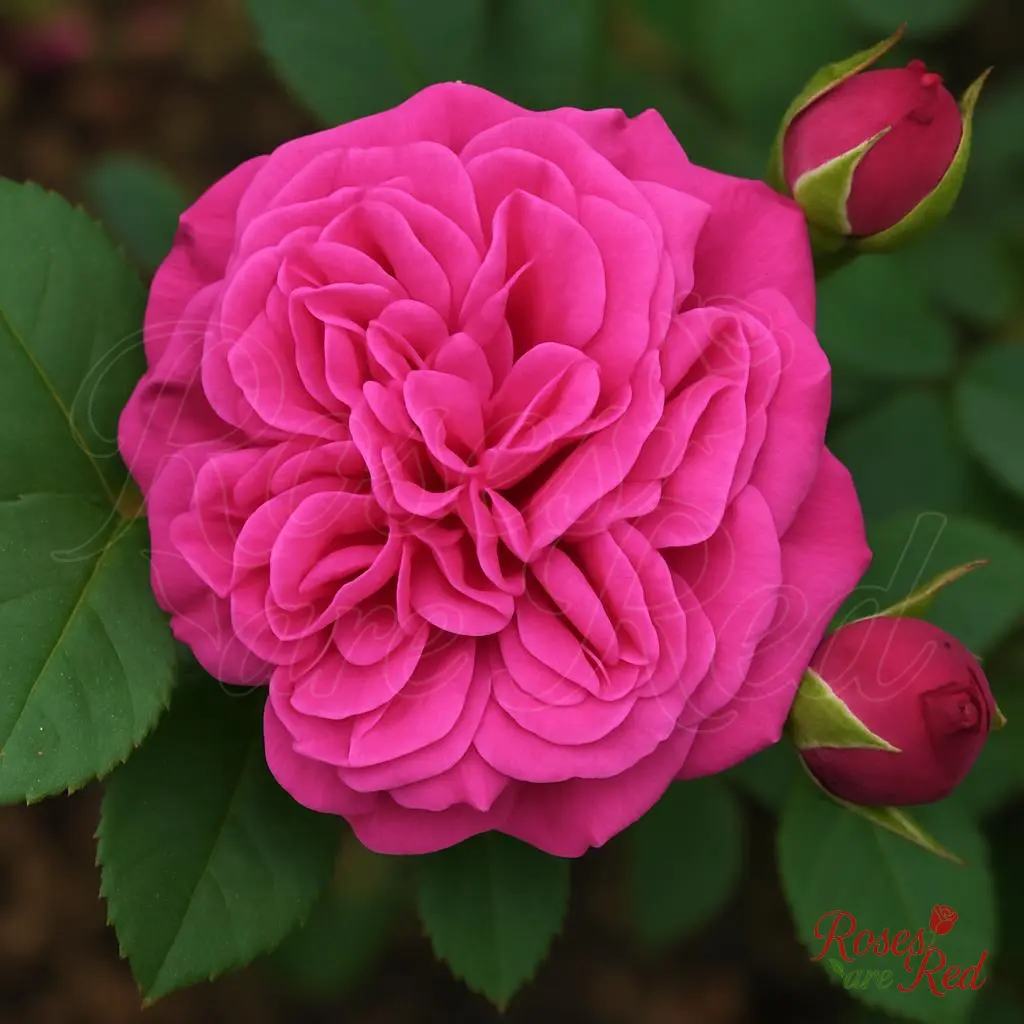
Old Garden Rose, bourbon "Mme Isaac Pereire", France, introduced by Garcon in 1881, Usually is fuchsia in color, deep cup bloom shape, blooms 8 - 9 cm in size, has 3-5 buds per stem, repeat rebloom, has rich fragrance, the bush shape can be arching, 200 - 250 cm in height, 200 cm in width, suitable for USDA zone 6 from -23°C and above, low resistance to rain, low resistance to black spot, low resistance to mildew.
Main characteristics

Aroma

USDA Zone 6
-23°С

Rebloom


Bush Shape

Bloom Shape
Deep cup
Size

Height
200 - 250 cm

Width
200 cm

Bloom size
8 - 9 cm

Buds / Stem
3-5

Petal Count
Resistance

Heat

Shade

Rain

Black Spot
Mildew
More information
Mme Isaac Pereire shows traits associated with 19th‑century roses. It can produce very lush, strongly scented blooms; it is also a thorny shrub with sparse growth, prone to black spot, and notably variable in flower form and quality. Color is not fixed: flowers may be deep crimson that fade to lilac‑pink at the edges, or in shades described by Jacques Harkness as “a screaming pink losing the war to the sweat of fuchsia”; this range is also referred to as strawberry, cherry, or bright fuchsia. The blooms are heavy. The first flush is often weak. At times every flower shows a form of proliferation in which stamens turn into green fruiting stalks. More commonly, the petals shorten and a central hollow appears while the outer petals curl inward to create giant pom‑poms. In autumn the centers fill with dark pink petals, forming a flattened bloom with a curled outer edge. Flowers are carried in clusters of up to 5. Foliage is small and sparse. The plant often produces long shoots that flower only at the tips; pegging these to the ground encourages bloom along their length the following year.
Widely distributed, it is often cited as the most fragrant rose. The scent is very rich and dense, reminiscent of ripe raspberries. A very vigorous shrub to about 2 m in height and 1.5 m in width. In the first flowering the blooms are huge, well formed, and rich purple to crimson; in the second flowering they are smaller and often deformed. Susceptible to powdery mildew. Suitable for use as a climber, but only in a well‑ventilated site.
Madame Isaac Pereire’s magenta blooms appear throughout summer, with peak display in autumn. Each flower measures 7–15 cm (climate dependent), generally flattened with petals curling at the edges. The fragrance is fruity and is often listed among the strongest in roses. Foliage is described as abundant, large, and dark green. The bush is branched and slightly spreading. It can be grown as a shrub or pegged to the ground; the pegged form can be trained over a support. Flowers are suitable for cutting. The shrub is hardy, vigorous, winter‑hardy, and tolerant of poor soils. A sport, Madame Ernest Calvat, bears lavender‑pink flowers.
Widely distributed, it is often cited as the most fragrant rose. The scent is very rich and dense, reminiscent of ripe raspberries. A very vigorous shrub to about 2 m in height and 1.5 m in width. In the first flowering the blooms are huge, well formed, and rich purple to crimson; in the second flowering they are smaller and often deformed. Susceptible to powdery mildew. Suitable for use as a climber, but only in a well‑ventilated site.
Madame Isaac Pereire’s magenta blooms appear throughout summer, with peak display in autumn. Each flower measures 7–15 cm (climate dependent), generally flattened with petals curling at the edges. The fragrance is fruity and is often listed among the strongest in roses. Foliage is described as abundant, large, and dark green. The bush is branched and slightly spreading. It can be grown as a shrub or pegged to the ground; the pegged form can be trained over a support. Flowers are suitable for cutting. The shrub is hardy, vigorous, winter‑hardy, and tolerant of poor soils. A sport, Madame Ernest Calvat, bears lavender‑pink flowers.
Popular Breeders
Articles