


 Sign in
 Rose Catalog
Masquerade, floribunda
Share
Prices nearby
or to see prices for this rose

















Brief summary
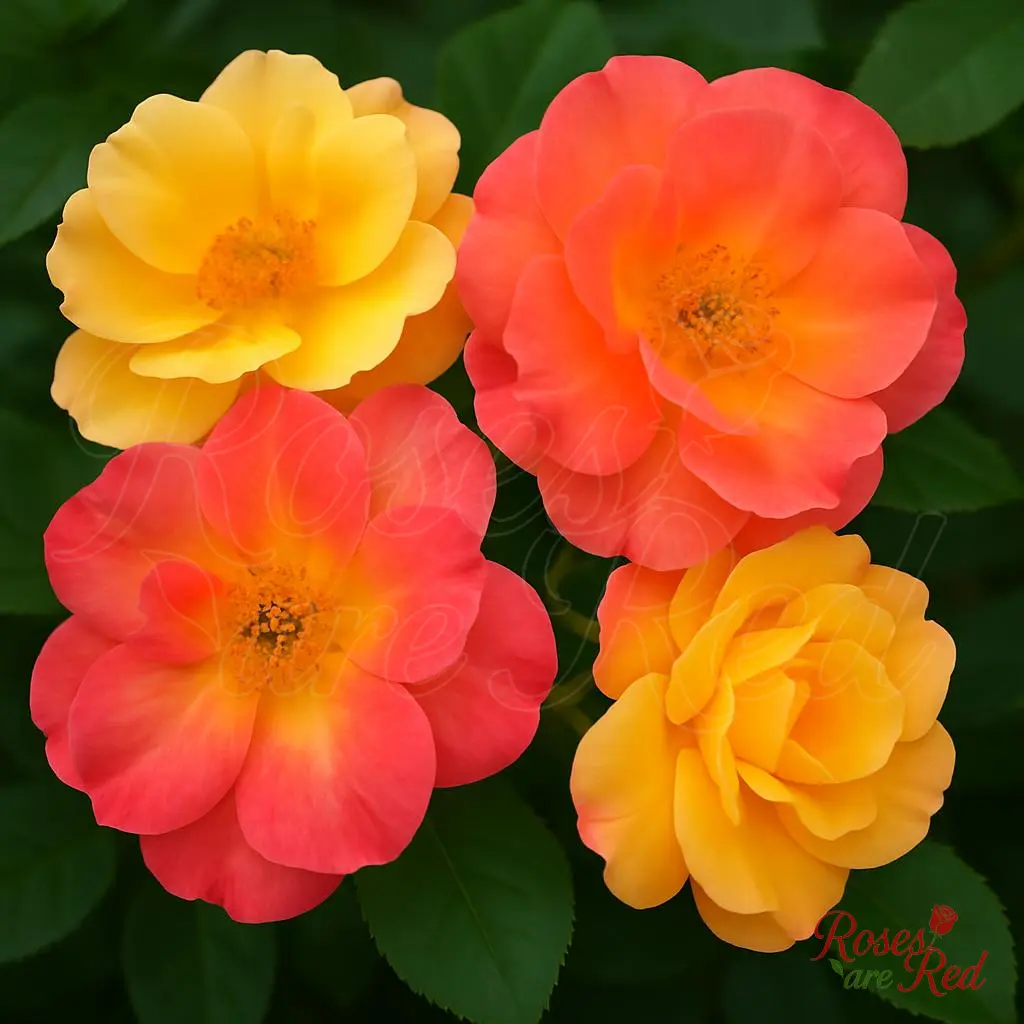
Modern Rose, floribunda "Masquerade", United States, introduced by Eugene S. Boerner in 1949, Usually is red, yellow in color, semi double bloom shape, blooms 6 - 7 cm in size, has 5-10 buds per stem, repeat rebloom, has light fragrance, the bush shape can be bushy, 80 - 100 cm in height, 100 cm in width, suitable for USDA zone 5 from -29°C and above, moderate resistance to rain, moderate resistance to black spot, moderate resistance to mildew.
Main characteristics

Aroma

USDA Zone 5
-29°С

Rebloom


Bush Shape

Bloom Shape
Semi double
Size

Height
80 - 100 cm

Width
100 cm

Bloom size
6 - 7 cm

Buds / Stem
5-10

Petal Count
Resistance

Heat

Shade

Rain

Black Spot

Mildew
More information
Masquerade was introduced in 1949 as a new type of rose cultivar. The blooms open as bright yellow flowers, then shift first to pink and then to bright crimson. This colour pattern enabled extensive further breeding work. Over the following 25 years, hundreds of seedlings and more distant descendants of Masquerade were released worldwide, and multi‑coloured roses spread widely in cultivation. Masquerade flowers are semi-marginal in form and borne in large clusters, usually 10–20 per spray. The fruits ripen afterwards. The foliage is small, dark, and resistant to diseases. The bush is vigorous and flowers over a long period.
Popular Breeders
Articles