


 Sign in
 Rose Catalog
Share
Prices nearby
or to see prices for this rose



















Brief summary
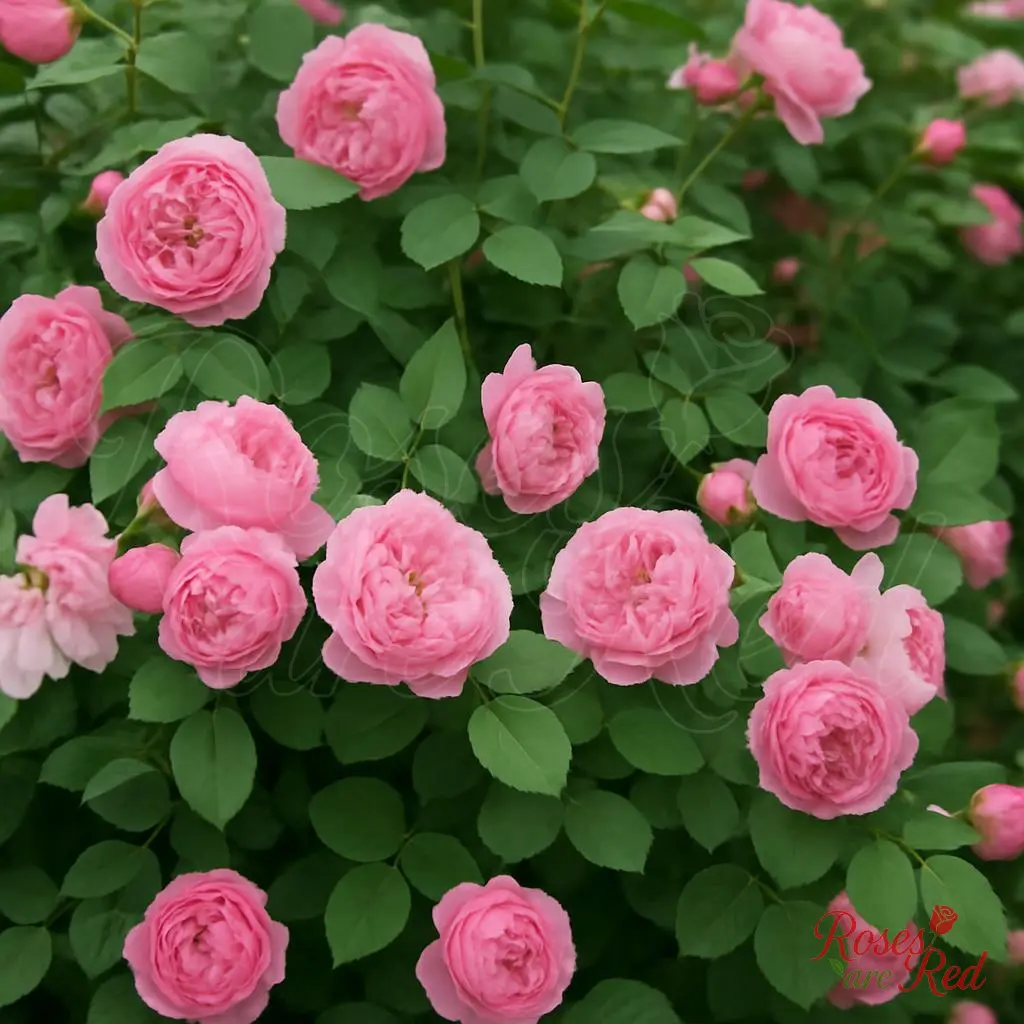
Modern Rose, shrub "Mary Rose", United Kingdom, introduced by David C. H. Austin in 1983, Usually is pink in color, rosette (ruffled) bloom shape, full petal count, blooms 10 - 12 cm in size, has 3-5 buds per stem, repeat rebloom, has light fragrance, the bush shape can be bushy, upright, 100 - 120 cm in height, 100 cm in width, suitable for USDA zone 5 from -29°C and above, strong resistance to shade, moderate resistance to rain, strong resistance to black spot, strong resistance to mildew, good for cutting.
Main characteristics

Aroma

USDA Zone 5
-29°С

Rebloom


Bush Shape


Bloom Shape
Rosette (Ruffled)
Size

Height
100 - 120 cm

Width
100 cm
Bloom size
10 - 12 cm

Buds / Stem
3-5

Petal Count
Full
Resistance

Heat

Shade

Rain

Black Spot

Mildew
More information
Mary Rose is characterized by a very long flowering season, beginning early and finishing late, with only brief intervals between flushes. The growth habit is branching and robust yet holds its shape, and the cultivar shows strong disease resistance. Blooms are bright pink, with a somewhat loose form and an old-rose character. The fragrance is light. Mary Rose is widely used in breeding, passing on its traits to new cultivars. Numerous sports have arisen from this cultivar, including the white Winchester Cathedral and the soft pink Redoute. Such color sports are common in roses; when a sport is identified in trial fields, it is promptly grafted to propagate it as a new cultivar.
The flowers measure about 7.5 cm across, are pink, and cup-shaped. As they open, the outer petals lighten in color and curve slightly downward. The shrub is medium-sized and spreading, used in the center of flowerbeds. It is susceptible to black spot.
Mary Rose remains one of Austin’s most popular cultivars. The flowers are bright pink with slightly paler reverses, cup-shaped. Fully open blooms show a pronounced midrib, and the petals are wavy. The outer petals arch and fade to pale pink over time, while the inner petals stay turned toward the center. Flowers are borne in clusters of 3–7 on long, prickly shoots; they are suitable for cutting, though the petals drop quickly. The shrub is quite spreading, reaches 1.5 m in warm climates, and flowers almost continuously—the cultivar is among the first to start and among the last to finish. The foliage is prone to black spot.
The flowers measure about 7.5 cm across, are pink, and cup-shaped. As they open, the outer petals lighten in color and curve slightly downward. The shrub is medium-sized and spreading, used in the center of flowerbeds. It is susceptible to black spot.
Mary Rose remains one of Austin’s most popular cultivars. The flowers are bright pink with slightly paler reverses, cup-shaped. Fully open blooms show a pronounced midrib, and the petals are wavy. The outer petals arch and fade to pale pink over time, while the inner petals stay turned toward the center. Flowers are borne in clusters of 3–7 on long, prickly shoots; they are suitable for cutting, though the petals drop quickly. The shrub is quite spreading, reaches 1.5 m in warm climates, and flowers almost continuously—the cultivar is among the first to start and among the last to finish. The foliage is prone to black spot.
Popular Breeders
Articles