


 Sign in
 Rose Catalog
Martin Frobisher, hybrid rugosa

Share
Prices nearby
or to see prices for this rose



















Brief summary
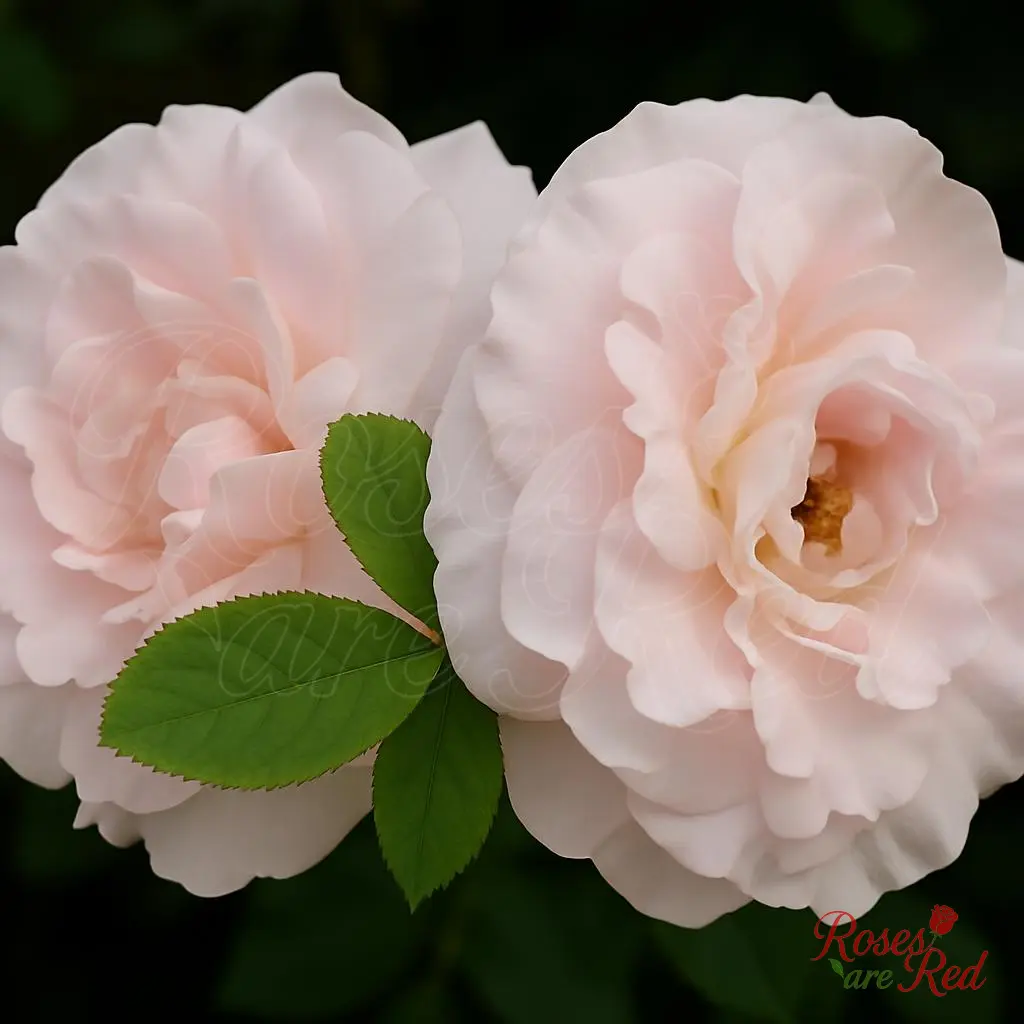
Modern Rose, hybrid rugosa "Martin Frobisher", Canada, introduced by Dr. Felicitas Svejda in 1961, Usually is pink in color, globular bloom shape, full petal count, blooms 5 - 6 cm in size, has 3-5 buds per stem, continual rebloom, has moderate fragrance, the bush shape can be upright, 150 - 180 cm in height, 100 - 120 cm in width, suitable for USDA zone 2 from -46°C and above, low resistance to rain, moderate resistance to black spot, strong resistance to mildew.
Main characteristics

Aroma

USDA Zone 2
-46°С

Rebloom


Bush Shape

Bloom Shape
Globular
Size

Height
150 - 180 cm

Width
100 - 120 cm

Bloom size
5 - 6 cm

Buds / Stem
3-5

Petal Count
Full
Resistance

Heat

Shade

Rain

Black Spot
Mildew
More information
Martin Frobisher was the first rose in the Explorer series, a group of super frost-resistant cultivars developed by Agriculture Canada. Virtually thornless, it bears milky pink flowers whose reverse petals are pure white, most evident when they curl inward to form a button; the pink is brightest at the centre. Blooms usually appear in clusters of 3 to 5 on fairly long, graceful stems and are suitable for cutting. The blooms turn brown before shedding their petals. No fruit is formed. The leaves are grey-green; black spot is sometimes possible. The bush is erect, strong-growing, and blooms abundantly and almost continuously until the first frost. It also performs in hot climates.
Suitable for creating hedges. Resistant to diseases, though occasionally affected by black spot. Generally winter hardy, but frost is possible.
The first of the Explorer series of roses, this variety is partly derived from the wrinkle rose and is often classified as a rugosa hybrid. It is somewhat susceptible to black spot and rust; otherwise the variety is disease resistant. The flowers are small, densely margined, soft pink, and appear over a long period. Although Martin Frobisher is technically a crabapple, the narrow upright bush can be trained on a support.
Suitable for creating hedges. Resistant to diseases, though occasionally affected by black spot. Generally winter hardy, but frost is possible.
The first of the Explorer series of roses, this variety is partly derived from the wrinkle rose and is often classified as a rugosa hybrid. It is somewhat susceptible to black spot and rust; otherwise the variety is disease resistant. The flowers are small, densely margined, soft pink, and appear over a long period. Although Martin Frobisher is technically a crabapple, the narrow upright bush can be trained on a support.
Popular Breeders
Articles