

 Sign in
 Rose Catalog
Lilian Austin, shrub

Registration name
AUSli
Also known as
AUSmound
Share
Prices nearby
or to see prices for this rose



















Brief summary
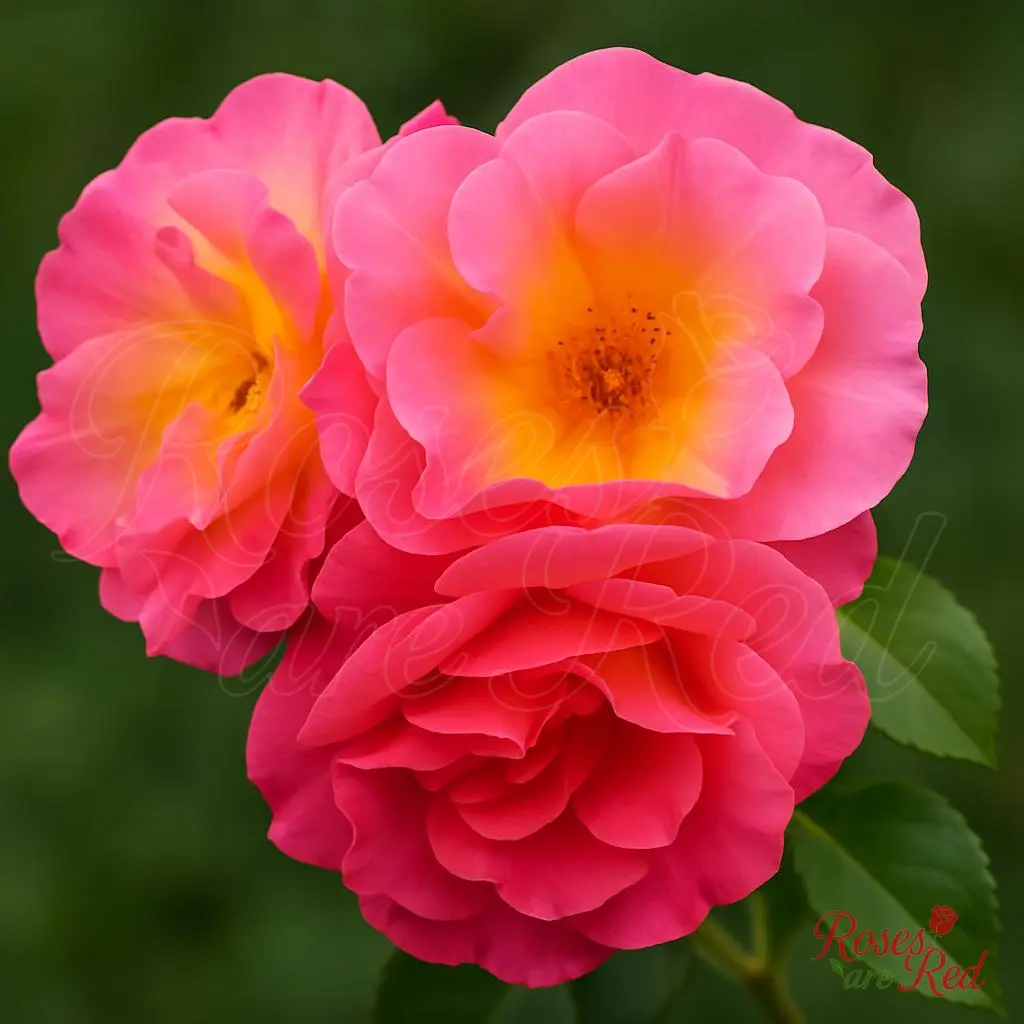
Modern Rose, shrub "Lilian Austin", United Kingdom, introduced by David C. H. Austin in 1973, Usually is pink, salmon in color, semi double bloom shape, full petal count, blooms 8 - 9 cm in size, has 3-5 buds per stem, repeat rebloom, has moderate fragrance, the bush shape can be spreading, 80 - 100 cm in height, 120 cm in width, suitable for USDA zone 6 from -23°C and above, moderate resistance to rain, strong resistance to black spot, moderate resistance to mildew.
Main characteristics

Aroma

USDA Zone 6
-23°С

Rebloom


Bush Shape

Bloom Shape
Semi double
Size

Height
80 - 100 cm

Width
120 cm
Bloom size
8 - 9 cm
Buds / Stem
3-5

Petal Count
Full
Resistance

Heat

Shade

Rain

Black Spot
Mildew
More information
Lilian Austin is a David Austin rose that tends to resemble a floribunda. The blooms are large, with lightly wavy petals and a pleasant fragrance. They open a saturated coral‑pink with a yellow center; later the yellow fades and the flowers become pure pink with a cream center. The reverse side of the petals is slightly darker, and the wavy petals can produce a less regular outline. Flowers are carried in clusters of 3–11 on a spreading, spiny shrub with dark green foliage showing good disease resistance. Re‑flowering is abundant, but the spreading habit means the plant often becomes wider than tall unless tied in.
Blooms almost continuously; the flowers show an orange‑pink tone with yellow highlights. Compact, spreading bush.
The coloring combines readily with many companion plants. Oval, dense pink buds open to semi‑double to double rosettes 10–12 cm across with wavy petals. The blooms display a marked coral‑pink or salmon‑pink coloration with a slight veil of gold or peach tones. When fully open, golden stamens are visible in the center. Lightly scented flowers appear singly or in small clusters. Re‑flowering is abundant. Shoots are drooping; foliage is shiny, dark green; many thorns. The shrub is fairly compact and rounded, usually reaching 90–120 cm in height and 120–150 cm in width. Suitable for solitary or mass plantings, and for mixed borders. In hot regions it can be trained as a climber. Black spot can be an issue without preventative measures; otherwise disease resistance is good.
Blooms almost continuously; the flowers show an orange‑pink tone with yellow highlights. Compact, spreading bush.
The coloring combines readily with many companion plants. Oval, dense pink buds open to semi‑double to double rosettes 10–12 cm across with wavy petals. The blooms display a marked coral‑pink or salmon‑pink coloration with a slight veil of gold or peach tones. When fully open, golden stamens are visible in the center. Lightly scented flowers appear singly or in small clusters. Re‑flowering is abundant. Shoots are drooping; foliage is shiny, dark green; many thorns. The shrub is fairly compact and rounded, usually reaching 90–120 cm in height and 120–150 cm in width. Suitable for solitary or mass plantings, and for mixed borders. In hot regions it can be trained as a climber. Black spot can be an issue without preventative measures; otherwise disease resistance is good.
Popular Breeders
Articles