

 Sign in
 Rose Catalog
Share
Prices nearby
or to see prices for this rose

















Brief summary
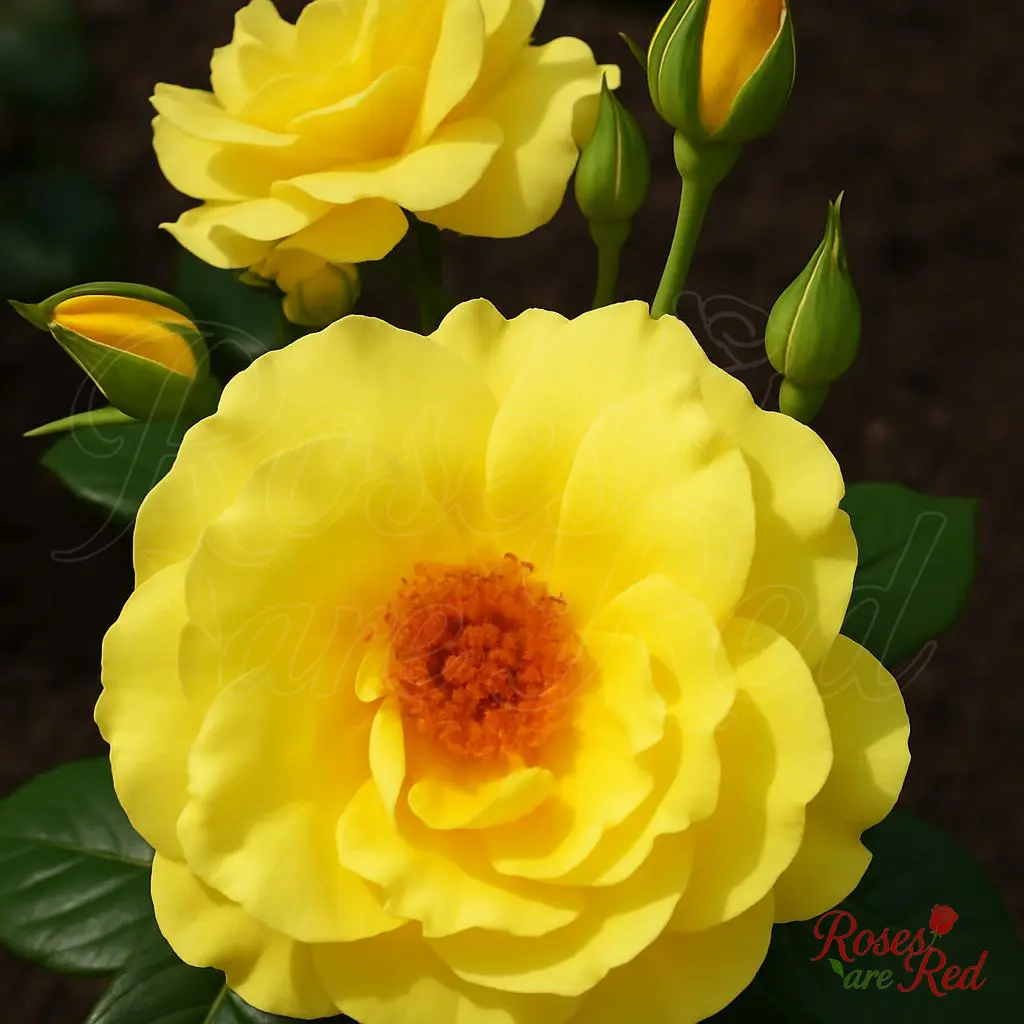
Modern Rose, shrub "Lichtkonigin Lucia", introduced by Kordes Rosen in 1966, Usually is yellow in color, semi double bloom shape, blooms 8 - 9 cm in size, has 5-10 buds per stem, repeat rebloom, has moderate fragrance, the bush shape can be bushy, 150 - 200 cm in height, 150 cm in width, suitable for USDA zone 5 from -29°C and above, low resistance to rain, strong resistance to black spot, strong resistance to mildew.
Main characteristics

Aroma

USDA Zone 5
-29°С

Rebloom


Bush Shape

Bloom Shape
Semi double
Size

Height
150 - 200 cm

Width
150 cm
Bloom size
8 - 9 cm

Buds / Stem
5-10

Petal Count
Resistance

Heat

Shade

Rain

Black Spot
Mildew
More information
The popularity of Lichtkonigin Lucia is steadily rising, which is atypical for a rose introduced long ago. The buds are elongated and elegant, with red tips, and open slowly in hybrid tea fashion. The flowers are yellow, with golden stamens in the center, and are slightly calyx-shaped. When just open they are bright yellow or lemon, then become only slightly paler. They appear in clusters of 5–15. The foliage is fine, glossy, and disease-resistant. Blooming begins early; the first flush is very abundant, and the bush continues to bear flowers until autumn. It forms a broadly branched shrub and can also be trained as a climbing rose.
Despite its long-ago introduction, the cultivar remains in demand among yellow roses of this class. Lemon-yellow, non-burning, large double flowers (up to 40 petals) are grouped in dense inflorescences. Persistent, abundant flowering, a light fragrance, dense healthy foliage, adaptability in culture, and high winter hardiness characterize this ADR rose. Bushes do not exceed 1.5 m in height and form a rigid framework, making them suitable for hedges. In two-row hedges, the cultivar is used in the back row, with more spreading varieties such as La Sevillana in front. Depending on garden size, it can be planted singly or in single-cultivar groups. Owing to its color, it can also be included in mixed groups and borders.
Despite its long-ago introduction, the cultivar remains in demand among yellow roses of this class. Lemon-yellow, non-burning, large double flowers (up to 40 petals) are grouped in dense inflorescences. Persistent, abundant flowering, a light fragrance, dense healthy foliage, adaptability in culture, and high winter hardiness characterize this ADR rose. Bushes do not exceed 1.5 m in height and form a rigid framework, making them suitable for hedges. In two-row hedges, the cultivar is used in the back row, with more spreading varieties such as La Sevillana in front. Depending on garden size, it can be planted singly or in single-cultivar groups. Owing to its color, it can also be included in mixed groups and borders.
Popular Breeders
Articles