


 Sign in
 Rose Catalog
Lavender Pinocchio, floribunda

Share
Prices nearby
or to see prices for this rose



















Brief summary
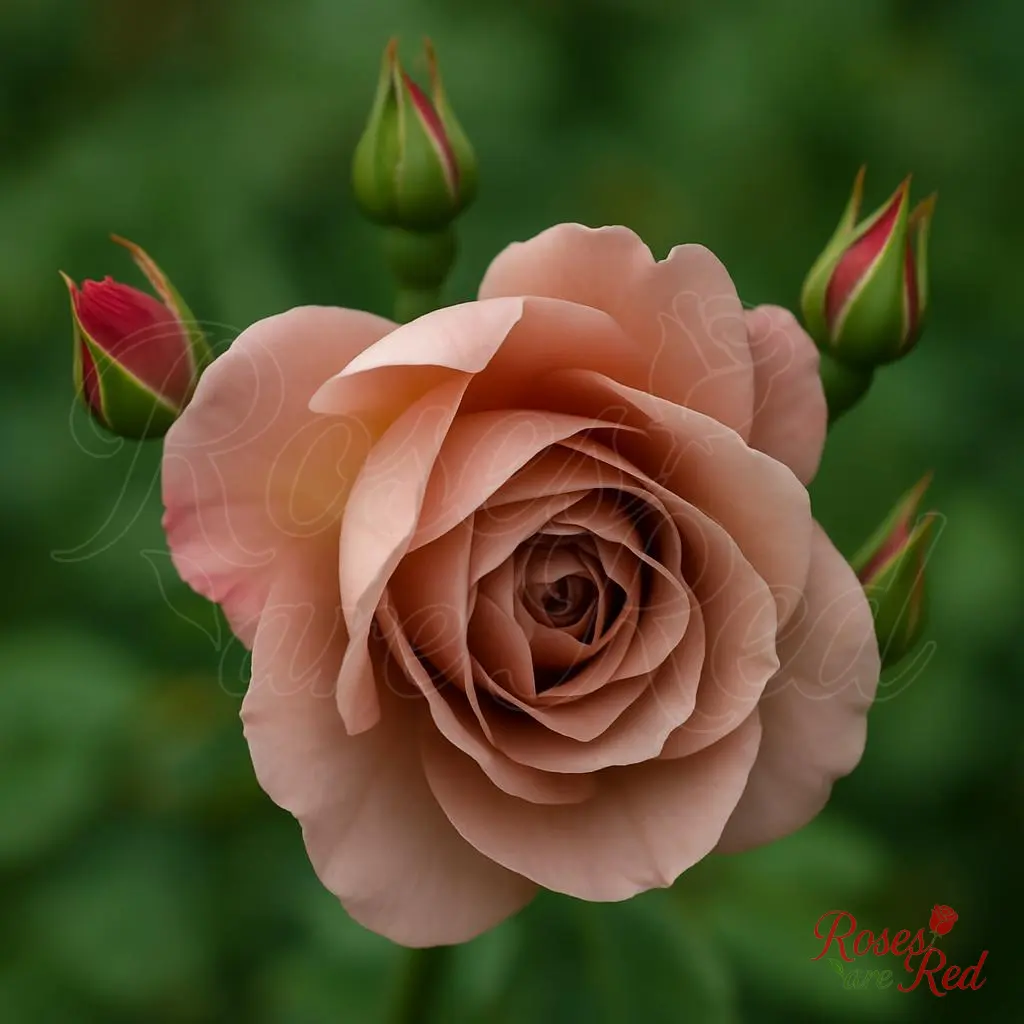
Modern Rose, floribunda "Lavender Pinocchio", United States, introduced by Eugene S. Boerner in 1948, Usually is lavender, beige in color, semi double bloom shape, blooms 7 - 8 cm in size, has 5-10 buds per stem, repeat rebloom, has rich fragrance, the bush shape can be spreading, 80 - 100 cm in height, 80 cm in width, suitable for USDA zone 6 from -23°C and above, moderate resistance to rain, moderate resistance to black spot, moderate resistance to mildew.
Main characteristics

Aroma

USDA Zone 6
-23°С

Rebloom


Bush Shape

Bloom Shape
Semi double
Size

Height
80 - 100 cm

Width
80 cm
Bloom size
7 - 8 cm

Buds / Stem
5-10

Petal Count
Resistance

Heat

Shade

Rain

Black Spot
Mildew
More information
At the time this cultivar was introduced, lavender–lilac and coffee-colored roses were already available, but Lavender Pinocchio combined lilac, brown, and pink tones in a single bloom. The outer petals and their tips are typically lavender, while the inner petals and petal bases are pale brown with nuances of chocolate, orange, coffee, and gray. Buds open with enough petal count to emphasize the color contrast. As they develop, flowers are cup-shaped, then flatten before the petals are shed. They appear in clusters of 5–15 on a medium-height plant that is disease-resistant and very prickly. The variety was widely used in breeding coffee roses and remains widely grown.
Lavender Pinocchio is a floribunda noted for marked color transitions: lavender, smoky-plum, and gray-lilac shades that gently shift to a warm lilac–coffee center. The shrub is vigorous, disease-resistant, and blooms in successive waves, with moderate abundance. The habit is low and spreading. When fully open, the blooms lose form and the petals drop quickly, especially in heat.
Lavender Pinocchio is a floribunda noted for marked color transitions: lavender, smoky-plum, and gray-lilac shades that gently shift to a warm lilac–coffee center. The shrub is vigorous, disease-resistant, and blooms in successive waves, with moderate abundance. The habit is low and spreading. When fully open, the blooms lose form and the petals drop quickly, especially in heat.
Popular Breeders
Articles