
 Sign in
 Rose Catalog
Share
Prices nearby
or to see prices for this rose
















Brief summary
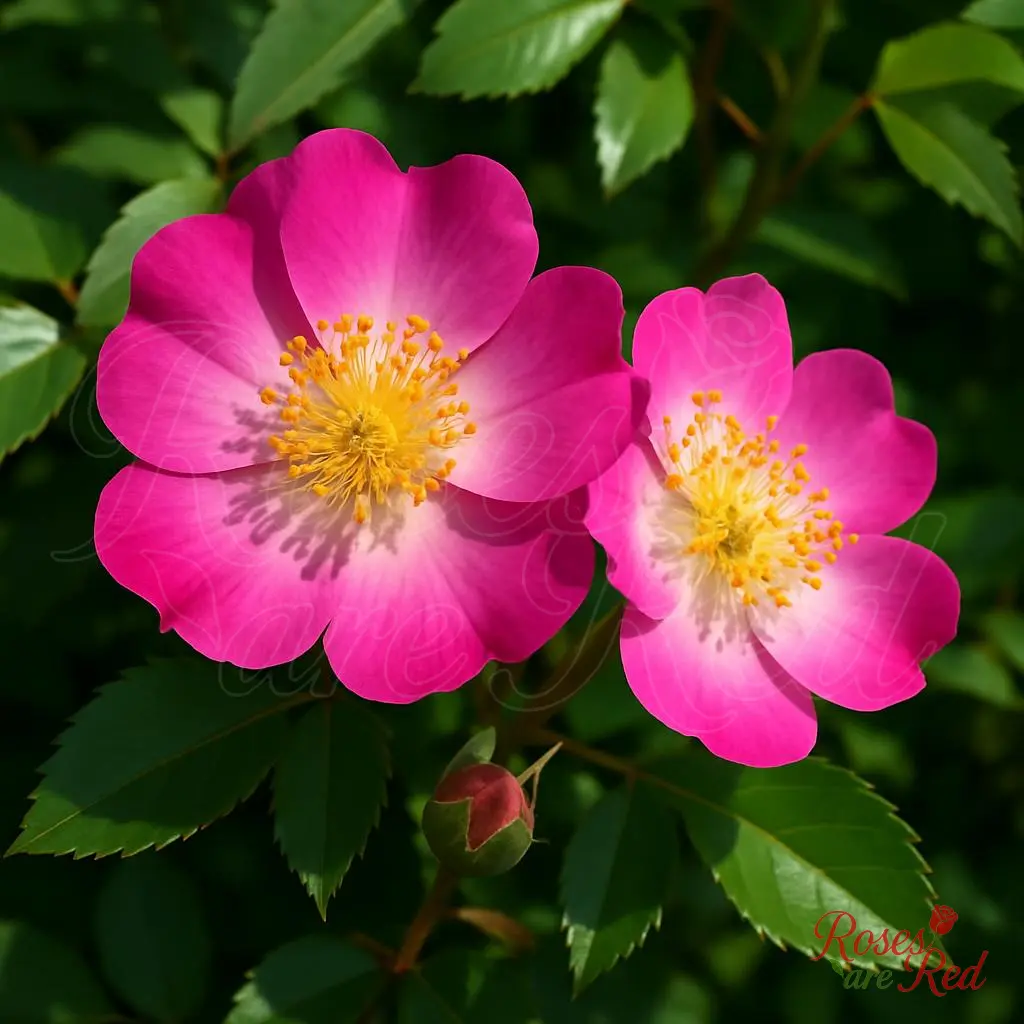
Modern Rose, shrub "Lavender Dream", Netherlands, introduced by G. Peter Ilsink in 1983, Usually is fuchsia in color, flat bloom shape, semi double petal count, blooms 3 - 4 cm in size, has 5-10 buds per stem, continual rebloom, has no fragrance, the bush shape can be arching, 120 - 245 cm in height, 120 - 245 cm in width, suitable for USDA zone 5 from -29°C and above, moderate resistance to shade, strong resistance to rain, strong resistance to black spot, strong resistance to mildew.
Main characteristics

Aroma

USDA Zone 5
-29°С

Rebloom


Bush Shape

Bloom Shape
Flat
Size
Height
120 - 245 cm
Width
120 - 245 cm
Bloom size
3 - 4 cm
Buds / Stem
5-10

Petal Count
Semi double
Resistance

Heat

Shade

Rain

Black Spot
Mildew
More information
Blooms abundantly with small semi-double flowers on a vigorous, undulating shrub. Flowers open bright deep pink and later fade to pale pink‑purple, with golden stamens in the center; lavender shading is minimal. Inflorescences appear in tight clusters of 10–40. Foliage is small, dark green, and shoots are fairly prickly; note susceptibility to powdery mildew. The plant forms arching canes up to 2 m in warm climates, and about half that in colder climates. Flowers show rain resistance; suitable for mass plantings, groundcover, and landscape use, and can be placed in mixed borders with other plants to provide a soft, delicate-toned background. ADR-certified in 1987 .
Gardeners often select companion plants for roses; lavender is a traditional choice. In some climates, lavender can be more difficult to cultivate than roses. The cultivar Lavender Dream can be used as a substitute for lavender in planting schemes. The numerous small, semi-double blooms can create a bluish haze, functioning as a watercolor-like background for hybrid tea roses.
Gardeners often select companion plants for roses; lavender is a traditional choice. In some climates, lavender can be more difficult to cultivate than roses. The cultivar Lavender Dream can be used as a substitute for lavender in planting schemes. The numerous small, semi-double blooms can create a bluish haze, functioning as a watercolor-like background for hybrid tea roses.
Popular Breeders
Articles