

 Sign in
 Rose Catalog
Lady Hillingdon, tea

Share
Prices nearby
or to see prices for this rose

















Brief summary
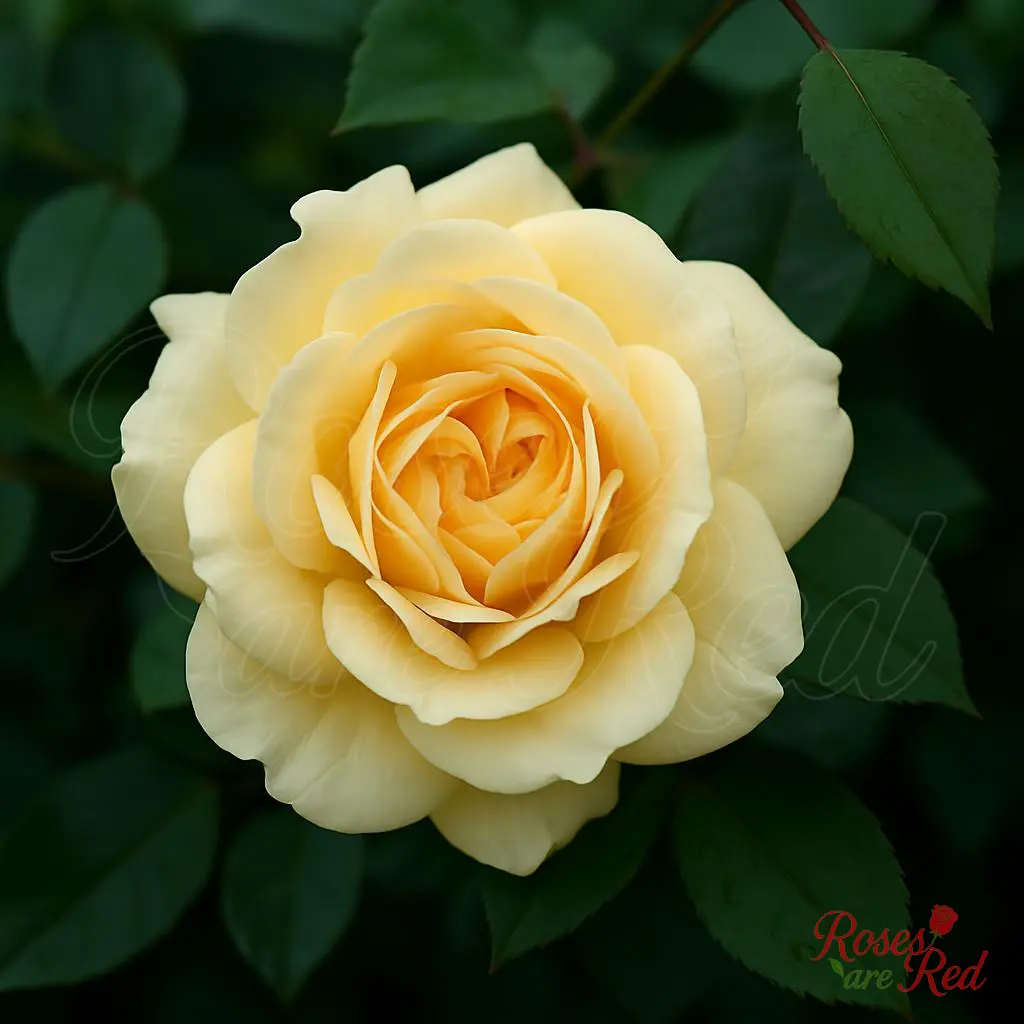
Old Garden Rose, tea "Lady Hillingdon", United Kingdom, introduced by Lowe & Shawyer in 1910, Usually is peach in color, high-center (point) bloom shape, semi double petal count, blooms 10 cm in size, has 1 buds per stem, repeat rebloom, has rich fragrance, the bush shape can be bushy, upright, 60 - 90 cm in height, 100 cm in width, suitable for USDA zone 6 from -23°C and above, moderate resistance to rain, strong resistance to black spot, strong resistance to mildew, thornless or has nearly no thorns, good for cutting.
Main characteristics

Aroma
USDA Zone 6
-23°С

Rebloom


Bush Shape


Bloom Shape
High-center (Point)
Size
Height
60 - 90 cm
Width
100 cm
Bloom size
10 cm
Buds / Stem
1
Petal Count
Semi double
Resistance

Heat

Shade

Rain

Black Spot
Mildew
More information
True tea roses are used as garden plants in warm climates and as greenhouse plants grown in conservatories where outdoor conditions do not permit natural growth. Potted tea roses can be kept dormant in a garage for an entire winter and then displayed as indoor roses. Most tea roses cannot survive outdoors in northern regions, but Lady Hillingdon is an exception.
Each summer this rose bush reaches a height of about 140 cm and produces amber-colored buds. The yellow flowers are large and bend on the stems, a trait characteristic of tea roses. Petal density is insufficient, so the flowers do not retain their shape well in rainy weather.
Lady Hillingdon has a lanky habit and is suited to a mixed border rather than to flowerbeds. Its winter hardiness is associated with the timing of vegetative growth. Some tea roses overwinter but then begin growth too early in spring and die after repeated frosts. Others, including Lady Hillingdon, delay growth and usually withstand the frosts. This rose probably carries some trace of the tea-hybrid class. The plaited form of Lady Hillingdon is not used in northern climates.
Each summer this rose bush reaches a height of about 140 cm and produces amber-colored buds. The yellow flowers are large and bend on the stems, a trait characteristic of tea roses. Petal density is insufficient, so the flowers do not retain their shape well in rainy weather.
Lady Hillingdon has a lanky habit and is suited to a mixed border rather than to flowerbeds. Its winter hardiness is associated with the timing of vegetative growth. Some tea roses overwinter but then begin growth too early in spring and die after repeated frosts. Others, including Lady Hillingdon, delay growth and usually withstand the frosts. This rose probably carries some trace of the tea-hybrid class. The plaited form of Lady Hillingdon is not used in northern climates.
Popular Breeders
Articles