

 Sign in
 Rose Catalog
J.P.Connell, shrub
Share
Prices nearby
or to see prices for this rose



















Brief summary
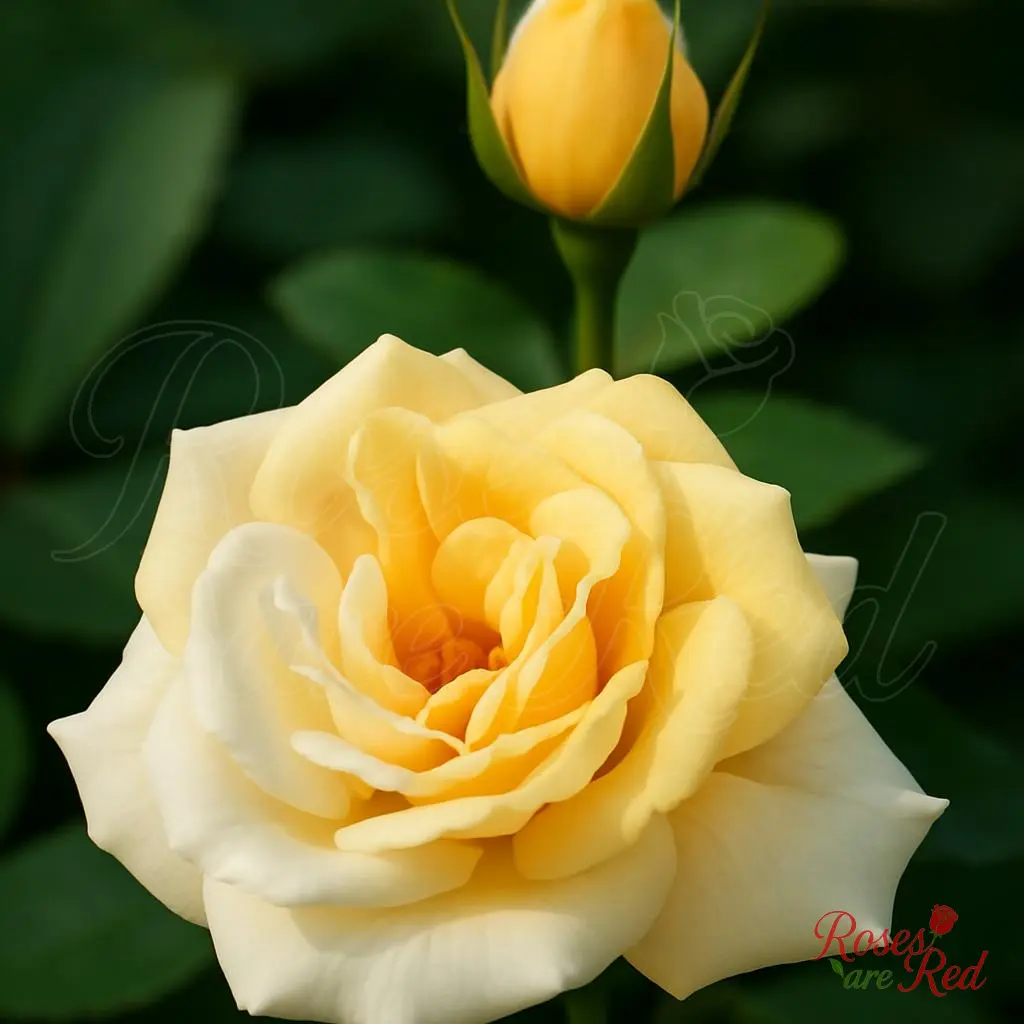
Modern Rose, shrub "J.P.Connell", introduced by Dr. Felicitas Svejda in 1987, Particular color is not known by Roses-Are-Red, semi double bloom shape, blooms 6 - 8 cm in size, has 3-5 buds per stem, repeat rebloom, has light fragrance, the bush shape can be bushy, 100 - 150 cm in height, 125 cm in width, moderate resistance to rain, moderate resistance to black spot, moderate resistance to mildew.
Main characteristics

Aroma

Rebloom


Bush Shape

Bloom Shape
Semi double
Size

Height
100 - 150 cm

Width
125 cm

Bloom size
6 - 8 cm

Buds / Stem
3-5

Petal Count
Resistance

Heat

Shade

Rain

Black Spot
Mildew
More information
This cultivar is one of the few yellow varieties in the Explorer series. The flowers are medium yellow to lemon yellow, fading to cream, with central petals retaining yellow longer. Slightly cup-shaped, double , with a ring of red stamens in the center. They appear singly or in small clusters (up to 7). J.P. Connell produces shoots with very short peduncles and an upright habit. Black spot can be problematic in humid climates. The bush is not very tall and requires several years to reach its full size. The flowering pattern is similar: it behaves as a once-bloomer at first, then a few flowers appear in a second wave, and only after the bush gains strength does full repeat bloom occur.
Susceptible to black spot; severe frost damage is possible, although it is usually classified as a very winter-hardy variety. Requires shelter.
Although susceptible to black spot, as with many yellow roses, J.P. Connell is listed among winter-hardy roses. Successive flushes of double, high-centered (high cup) blooms, reminiscent of hybrid tea roses, occur through the season. In the first year, the blooms may scorch or bleach severely; over time, they become larger and more numerous, with a dense creamy-yellow color. The bush is erect, with bright green foliage and stiff yellow-green shoots. Rooting is difficult, and propagation is more successful by scion grafting.
Susceptible to black spot; severe frost damage is possible, although it is usually classified as a very winter-hardy variety. Requires shelter.
Although susceptible to black spot, as with many yellow roses, J.P. Connell is listed among winter-hardy roses. Successive flushes of double, high-centered (high cup) blooms, reminiscent of hybrid tea roses, occur through the season. In the first year, the blooms may scorch or bleach severely; over time, they become larger and more numerous, with a dense creamy-yellow color. The bush is erect, with bright green foliage and stiff yellow-green shoots. Rooting is difficult, and propagation is more successful by scion grafting.
Popular Breeders
Articles