

 Sign in
 Rose Catalog
John Davis, hybrid kordesii
Share
Prices nearby
or to see prices for this rose



















Brief summary
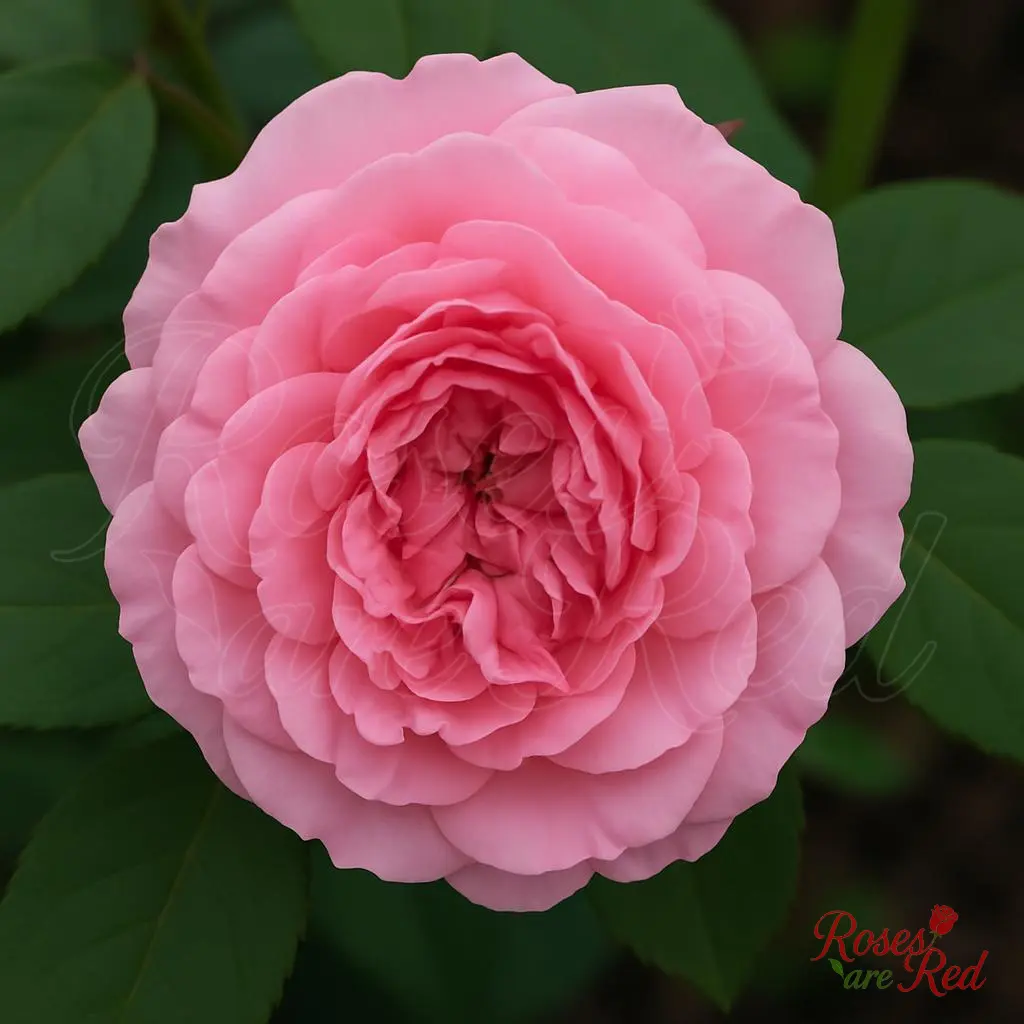
Modern Rose, hybrid kordesii "John Davis", introduced by Dr. Felicitas Svejda in 1986, Usually is pink in color, semi double bloom shape, blooms 7 - 8 cm in size, has 5-10 buds per stem, repeat rebloom, has light fragrance, the bush shape can be bushy, 200 - 250 cm in height, 200 cm in width, low resistance to rain, moderate resistance to black spot, moderate resistance to mildew.
Main characteristics

Aroma

Rebloom


Bush Shape

Bloom Shape
Semi double
Size

Height
200 - 250 cm

Width
200 cm

Bloom size
7 - 8 cm

Buds / Stem
5-10

Petal Count
Resistance

Heat

Shade

Rain

Black Spot
Mildew
More information
The flowers of the John Davis variety have an old-rose form. They are sometimes flattened, but more often open to reveal golden stamens. They begin bright pink, then fade to pale pink, with a cream base to the petals. Blooms appear in clusters of 10–15, repeating continuously until frost. The shrub is dense and thorny. John Davis has short internodes and a naturally flexible habit, making it suitable as a rambler in cold climates. It requires minimal pruning and responds well to fertiliser and to preventive care against powdery mildew and black spot.
The blooms are old-fashioned in style, bright pink, medium-sized (8 cm), and open to show the centre, though they may be flattened at times. They form in clusters of 10–15, and the cultivar flowers steadily through summer and autumn. The foliage is small and glossy, with occasional susceptibility to powdery mildew and black spot. The shrub is prickly.
Without protection it withstands temperatures down to -29°C. It can be used as a low braided rose. Exhibits high winter hardiness.
Classified as a shrub, but can also be used as a climbing rose.
Semi-double blooms open and shed their outer petals, while the inner petals remain folded in a tulip shape; at this stage the flowers are deep pink. The centre then opens fully until the blooms become flat and fade to a paler shade. The shrub is rarely without flowers and blooms almost continuously. Growth is vigorous, somewhat lax, and tends to splay. Suitable as a low bush pleached rose. Among the most winter-hardy Canadian varieties and also shows strong disease resistance.
A winter-hardy member of the Explorer family, this kordesii hybrid can be grown as a shrub or as a climbing rose. Red-pink pointed buds open to double, 7–10 cm cup-shaped flowers with reflexed outer petals. The blooms are borne in clusters, pink with a yellow-cream base. Fragrance reports vary: some detect none, while others describe a moderate to strong, spicy or spicy-fruity scent. Early-summer flowering is very abundant and lasts several weeks; for the remainder of the season, flowering is moderate. Shoots are long, arching, and spiny, with bright green, glossy foliage. The shrub is large and spreading. Shows disease resistance, though in areas where black spot and powdery mildew are common, preventive measures are recommended.
The blooms are old-fashioned in style, bright pink, medium-sized (8 cm), and open to show the centre, though they may be flattened at times. They form in clusters of 10–15, and the cultivar flowers steadily through summer and autumn. The foliage is small and glossy, with occasional susceptibility to powdery mildew and black spot. The shrub is prickly.
Without protection it withstands temperatures down to -29°C. It can be used as a low braided rose. Exhibits high winter hardiness.
Classified as a shrub, but can also be used as a climbing rose.
Semi-double blooms open and shed their outer petals, while the inner petals remain folded in a tulip shape; at this stage the flowers are deep pink. The centre then opens fully until the blooms become flat and fade to a paler shade. The shrub is rarely without flowers and blooms almost continuously. Growth is vigorous, somewhat lax, and tends to splay. Suitable as a low bush pleached rose. Among the most winter-hardy Canadian varieties and also shows strong disease resistance.
A winter-hardy member of the Explorer family, this kordesii hybrid can be grown as a shrub or as a climbing rose. Red-pink pointed buds open to double, 7–10 cm cup-shaped flowers with reflexed outer petals. The blooms are borne in clusters, pink with a yellow-cream base. Fragrance reports vary: some detect none, while others describe a moderate to strong, spicy or spicy-fruity scent. Early-summer flowering is very abundant and lasts several weeks; for the remainder of the season, flowering is moderate. Shoots are long, arching, and spiny, with bright green, glossy foliage. The shrub is large and spreading. Shows disease resistance, though in areas where black spot and powdery mildew are common, preventive measures are recommended.
Popular Breeders
Articles