


 Sign in
 Rose Catalog
John Cabot, hybrid kordesii
Share
Prices nearby
or to see prices for this rose


















Brief summary
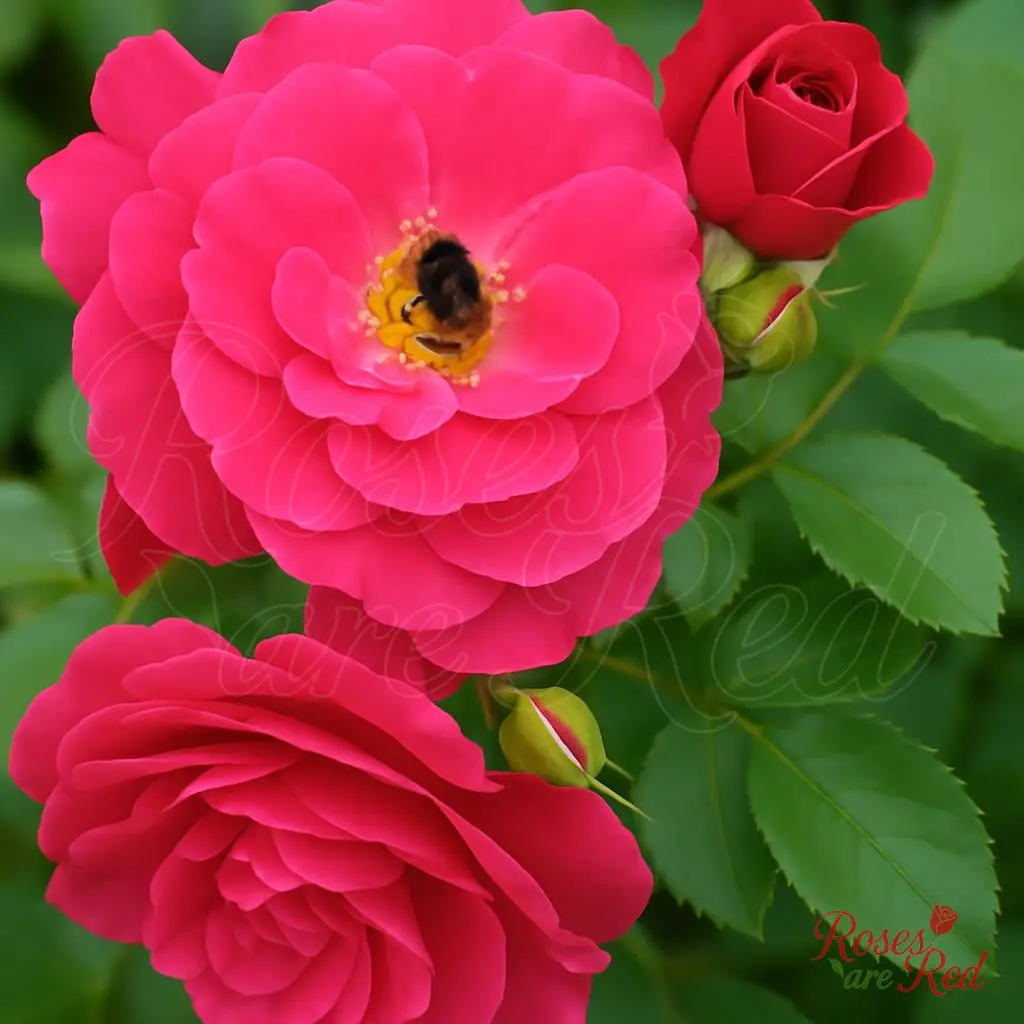
Modern Rose, hybrid kordesii "John Cabot", introduced by Dr. Felicitas Svejda in 1978, Usually is crimson in color, semi double bloom shape, blooms 6 - 7 cm in size, has 5-10 buds per stem, repeat rebloom, has light fragrance, the bush shape can be arching, 150 - 250 cm in height, 200 cm in width, moderate resistance to black spot, strong resistance to mildew.
Main characteristics

Aroma

Rebloom


Bush Shape

Bloom Shape
Semi double
Size

Height
150 - 250 cm

Width
200 cm
Bloom size
6 - 7 cm

Buds / Stem
5-10

Petal Count
Resistance

Heat

Shade

Rain

Black Spot
Mildew
More information
This is the first cultivar in the Explorer series of roses. Its pale purple to purple-red flowers, once open, reveal the center and may show a white mark at the center. Blooms are borne in clusters of 3–10 and fade slightly over time. The first flush is abundant and lasts 6–7 weeks; afterward, only single blooms appear until the next abundant autumn flush. The plant is densely foliated and gradually forms an arching shrub suitable for hedges; in warmer climates it can be trained as a climber up to 3 m tall. There is occasional susceptibility to black spot; growth is vigorous and maintenance needs are low.
John Cabot is a hardy rose with a symmetrical, sturdy shrub, a long flowering period, and strong disease resistance, suitable for northern gardens. The flowers are very deep pink, almost red, with tidy form. It is easily propagated by cuttings.
It tends to freeze back above the snow line; when used as a braided rose, bend and cover the canes.
In northern regions, the selection of winter-hardy variegated roses is limited; this hardy kordesii hybrid from Canada’s Explorer series belongs to that group. The flowers are double, broadly cupped, 5–6 cm in diameter, in dense pink or purplish-pink, accented by bright yellow stamens. It blooms profusely in early summer, followed by repeat bloom later, though not abundant. Shoots are spiny and arching; foliage is light green and glossy. The shrub is strong-growing and reaches 120–180 cm in both height and width without support; when used as a braided rose it reaches 200 cm. Disease resistance is high.
John Cabot is a hardy rose with a symmetrical, sturdy shrub, a long flowering period, and strong disease resistance, suitable for northern gardens. The flowers are very deep pink, almost red, with tidy form. It is easily propagated by cuttings.
It tends to freeze back above the snow line; when used as a braided rose, bend and cover the canes.
In northern regions, the selection of winter-hardy variegated roses is limited; this hardy kordesii hybrid from Canada’s Explorer series belongs to that group. The flowers are double, broadly cupped, 5–6 cm in diameter, in dense pink or purplish-pink, accented by bright yellow stamens. It blooms profusely in early summer, followed by repeat bloom later, though not abundant. Shoots are spiny and arching; foliage is light green and glossy. The shrub is strong-growing and reaches 120–180 cm in both height and width without support; when used as a braided rose it reaches 200 cm. Disease resistance is high.
Popular Breeders
Articles