


 Sign in
 Rose Catalog
Ilse Krohn Superior, hybrid kordesii
Share
Prices nearby
or to see prices for this rose



















Brief summary
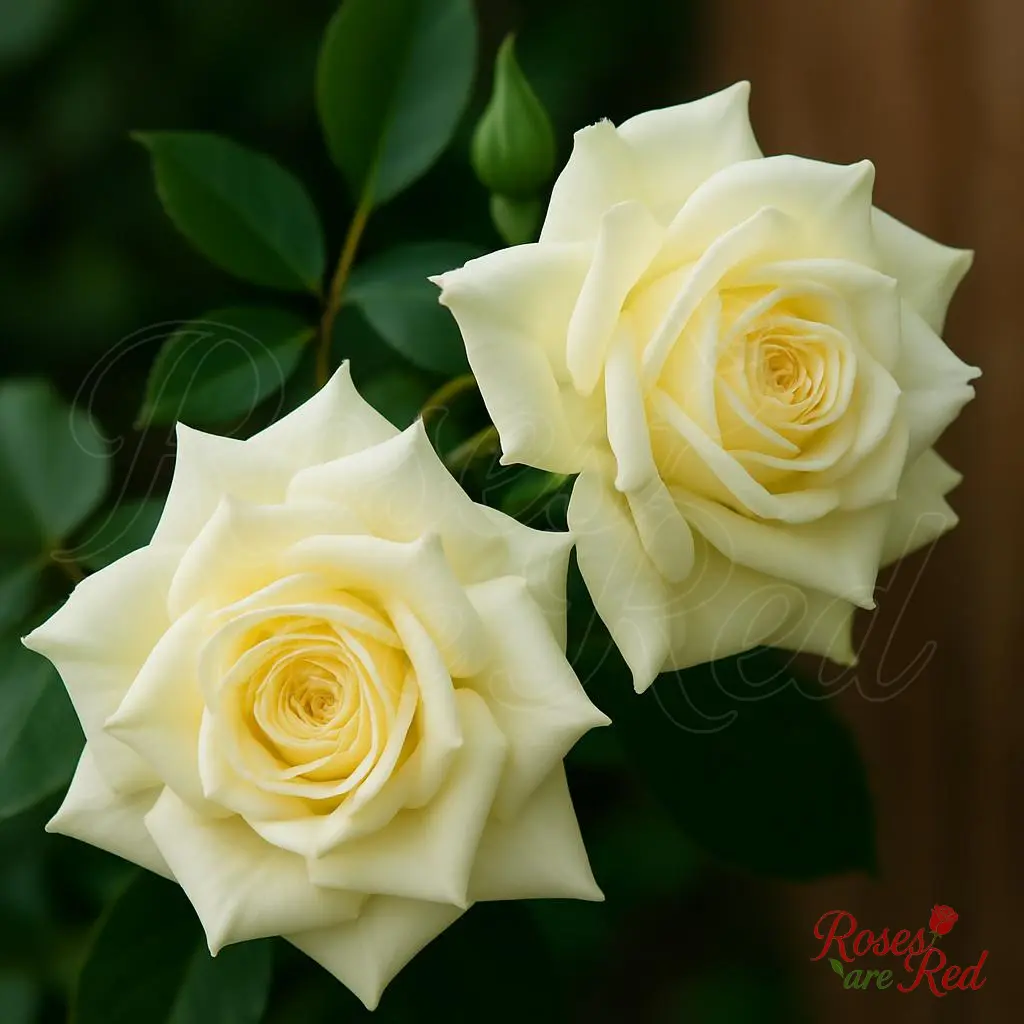
Modern Rose, hybrid kordesii "Ilse Krohn Superior", introduced by Kordes Rosen in 1964, Usually is ivory in color, high-center (point) bloom shape, blooms 10 - 11 cm in size, has 1-3 buds per stem, repeat rebloom, has moderate fragrance, the bush shape can be arching, 200 - 300 cm in height, 200 cm in width, suitable for USDA zone 5 from -29°C and above, strong resistance to rain, strong resistance to black spot, strong resistance to mildew.
Main characteristics

Aroma

USDA Zone 5
-29°С

Rebloom


Bush Shape

Bloom Shape
High-center (Point)
Size

Height
200 - 300 cm

Width
200 cm

Bloom size
10 - 11 cm
Buds / Stem
1-3

Petal Count
Resistance

Heat

Shade

Rain

Black Spot

Mildew
More information
Ilse Krohn Superior is a repeat-flowering climber that originated as a sport from a once-flowering rose. The sport was intended to be a dwarf crabapple, but the result is a vigorous, low climber suited to small gardens. Used as a large-flowered white climber in cold climates. Buds are elongated, creamy white; large petals begin to curl as the flower opens, similar to a large hybrid tea. Blooms are very double; petals are thick and waxy, with a slight creamy-yellow tint at the center. Flowers appear singly or in small clusters of up to 3 and may nod slightly. Flowers tolerate rain; foliage is dark and glossy. The variety shows disease resistance; canes are arching.
The flowers are bright white with a creamy tinge in the center; the petals are curved. Flowers reach 13–14 cm in diameter, are very double, with a high center, and open from elongated buds in clusters of 3–5. Withstands rain. The shrub is very hardy, strong-growing, up to 3 m. Suited to cold climates as a large-flowered white climber.
Buds are oval, greenish-white with red streaks. Flowers are creamy white with yellowing in the center, goblet- to cup-shaped, large (7–9 cm), very double (75–90 petals), fragrant, in inflorescences of 5–15 on long, sturdy pedicels. Leaves are dark green, large, leathery, shiny. Spines are large. Shrubs reach up to 2 m, spreading, with whip-like shoots. Blooms abundantly and for a prolonged period; weakly remontant. Sets hips. Characterized by high winter hardiness and resistance to fungal diseases. For single and group plantings.
The flowers are bright white with a creamy tinge in the center; the petals are curved. Flowers reach 13–14 cm in diameter, are very double, with a high center, and open from elongated buds in clusters of 3–5. Withstands rain. The shrub is very hardy, strong-growing, up to 3 m. Suited to cold climates as a large-flowered white climber.
Buds are oval, greenish-white with red streaks. Flowers are creamy white with yellowing in the center, goblet- to cup-shaped, large (7–9 cm), very double (75–90 petals), fragrant, in inflorescences of 5–15 on long, sturdy pedicels. Leaves are dark green, large, leathery, shiny. Spines are large. Shrubs reach up to 2 m, spreading, with whip-like shoots. Blooms abundantly and for a prolonged period; weakly remontant. Sets hips. Characterized by high winter hardiness and resistance to fungal diseases. For single and group plantings.
Popular Breeders
Articles