

 Sign in
 Rose Catalog
Herbalist, shrub

Registration name
AUSsemi
Also known as
Austins Herbalist
Herbalist
Share
Prices nearby
or to see prices for this rose



















Brief summary
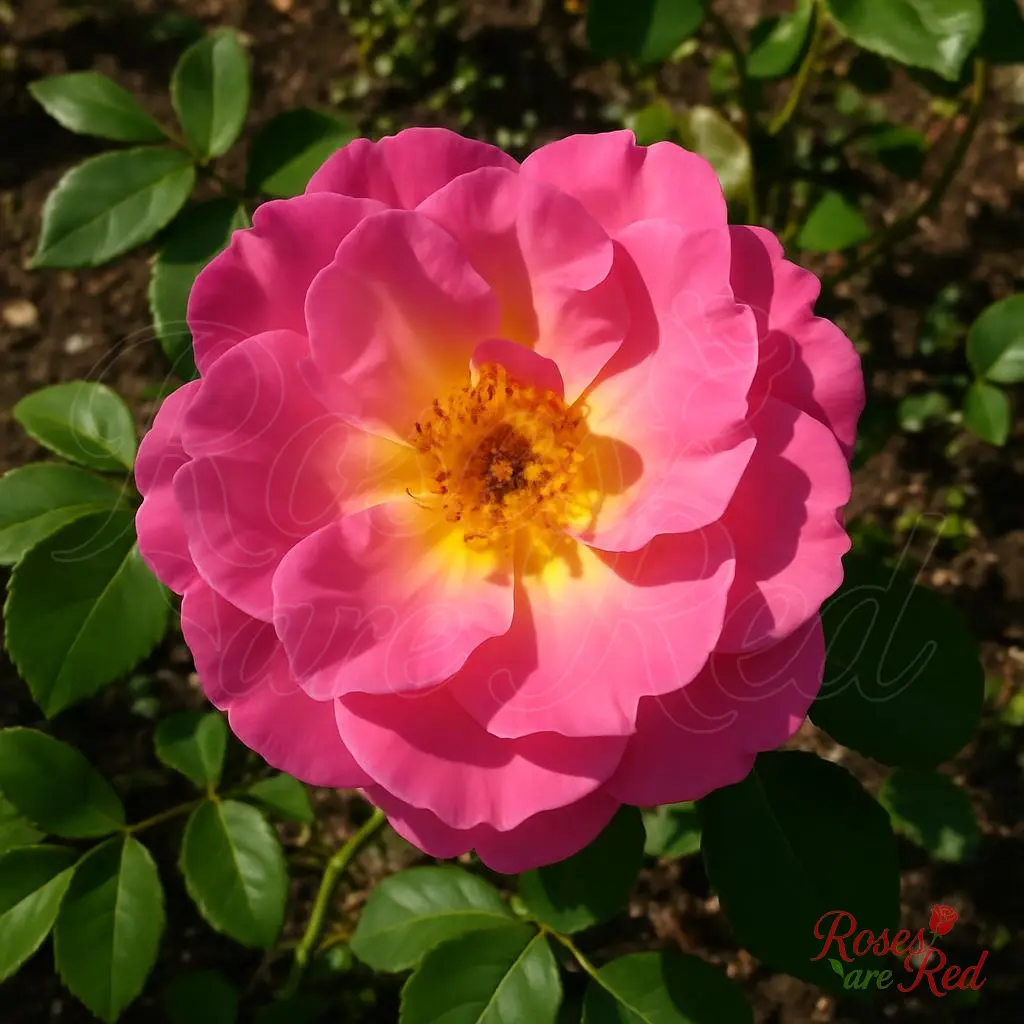
Modern Rose, shrub "Herbalist", United Kingdom, introduced by David C. H. Austin in 1994, Usually is fuchsia in color, semi double bloom shape, semi double petal count, blooms 7 - 8 cm in size, has 5-10 buds per stem, continual rebloom, has light fragrance, the bush shape can be bushy, 90 - 125 cm in height, 90 cm in width, suitable for USDA zone 6 from -23°C and above, strong resistance to black spot, strong resistance to mildew.
Main characteristics

Aroma

USDA Zone 6
-23°С

Rebloom


Bush Shape

Bloom Shape
Semi double
Size

Height
90 - 125 cm

Width
90 cm

Bloom size
7 - 8 cm

Buds / Stem
5-10

Petal Count
Semi double
Resistance

Heat

Shade

Rain

Black Spot
Mildew
More information
This rose is named for its resemblance to R. gallica officinalis, also known as the Apothecary's Rose. The blooms are semi-double, deep pink to light crimson, opening wide to reveal golden stamens. The shrub is broad, low, and well-branched. While similar to R. gallica officinalis, The Herbalist flowers almost continuously throughout the summer. The blooms are produced in large numbers, and the plant is suitable for the mixed border and, like R. gallica officinalis, for hedges.
David Austin named this cultivar after Officinalis, an old rose. The color is very similar, ranging from very dark pink to pale cherry-red, with a pink reverse that fades to pink. The semi-double flowers have wavy petals that partly cover a large cluster of golden stamens in the center. They appear in clusters of 5–7, followed by small scarlet hips. Removing spent blooms stimulates reblooming. The foliage is dark and disease resistant; the shrub is very prickly, dense, and branched. It is one of the few Austin roses that remain low in hot climates.
The flowers are medium to large, with about 12 petals, in a deep pink shade bordering on light red. Produced in small clusters, saucer-shaped, with prominent golden stamens, they continue from summer into autumn, making the rose suitable for borders. The shrub is tidy, branching, fairly spreading, below average in height, with slightly glossy foliage.
David Austin named this cultivar after Officinalis, an old rose. The color is very similar, ranging from very dark pink to pale cherry-red, with a pink reverse that fades to pink. The semi-double flowers have wavy petals that partly cover a large cluster of golden stamens in the center. They appear in clusters of 5–7, followed by small scarlet hips. Removing spent blooms stimulates reblooming. The foliage is dark and disease resistant; the shrub is very prickly, dense, and branched. It is one of the few Austin roses that remain low in hot climates.
The flowers are medium to large, with about 12 petals, in a deep pink shade bordering on light red. Produced in small clusters, saucer-shaped, with prominent golden stamens, they continue from summer into autumn, making the rose suitable for borders. The shrub is tidy, branching, fairly spreading, below average in height, with slightly glossy foliage.
Popular Breeders
Articles