


 Sign in
 Rose Catalog
Share
Prices nearby
or to see prices for this rose


















Brief summary
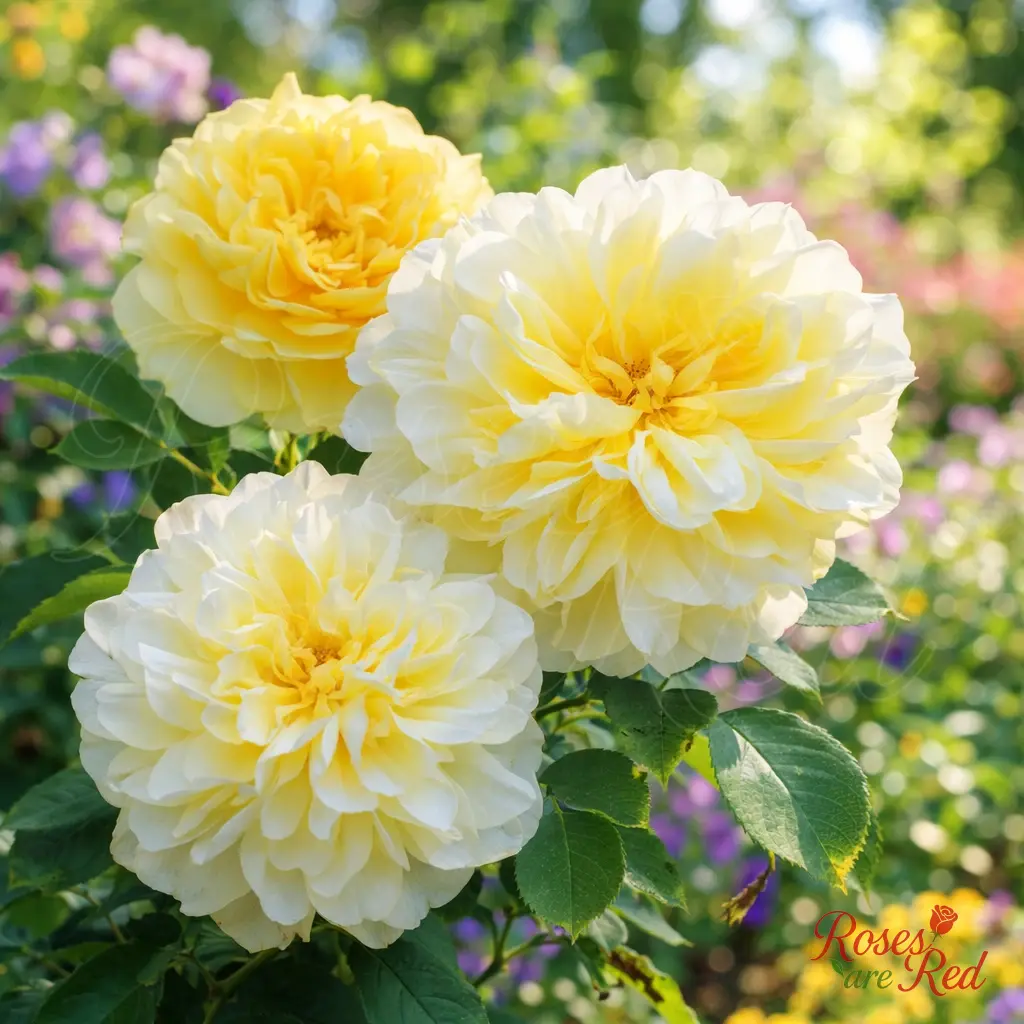
Modern Rose, shrub "Happy Child", United Kingdom, introduced by David C. H. Austin in 1993, Usually is yellow in color, cupped bloom shape, very full petal count, blooms 8 - 9 cm in size, has 1-3 buds per stem, repeat rebloom, has moderate fragrance, the bush shape can be bushy, 100 - 120 cm in height, 100 cm in width, suitable for USDA zone 5 from -29°C and above, low resistance to rain, low resistance to black spot, moderate resistance to mildew, thornless or has nearly no thorns.
Main characteristics

Aroma

USDA Zone 5
-29°С

Rebloom


Bush Shape

Bloom Shape
Cupped
Size

Height
100 - 120 cm

Width
100 cm
Bloom size
8 - 9 cm
Buds / Stem
1-3

Petal Count
Very full
Resistance

Heat

Shade

Rain

Black Spot
Mildew
More information
Large, open, cup-shaped blooms display a deep, vivid yellow. The foliage is very glossy but shows limited resistance to black spot, and the plant performs better in dry climates. It forms a medium-sized, branching shrub with a tea-rose fragrance.
Happy Child produces flowers that are dark yellow at first, then fade quickly to lemon, cream, and white. They open into slightly cup-shaped rosettes, sometimes with a button eye. The petals are rounder than in most Austin roses. The foliage is very dark and shiny, similar to a floribunda. Blooms appear in small clusters (usually 3–5) on a branched, very prickly bush. Establishes slowly after planting, then forms a shrub with slightly drooping shoots. It flowers repeatedly and abundantly, but can suffer from black spot.
This English rose bears densely petalled, cup-shaped flowers 7–10 cm in diameter. They appear in clusters, bright yellow at first, with paler outer petals. It blooms in early summer with abundant repeat flowering. Shoots are slightly drooping and moderately prickly. The shrub is compact, branched, and upright. Used in mix-borders with blue or purple perennials such as catnip or sage; planting in groups of 3 or more creates a massed color effect. Shows good disease resistance.
Happy Child produces flowers that are dark yellow at first, then fade quickly to lemon, cream, and white. They open into slightly cup-shaped rosettes, sometimes with a button eye. The petals are rounder than in most Austin roses. The foliage is very dark and shiny, similar to a floribunda. Blooms appear in small clusters (usually 3–5) on a branched, very prickly bush. Establishes slowly after planting, then forms a shrub with slightly drooping shoots. It flowers repeatedly and abundantly, but can suffer from black spot.
This English rose bears densely petalled, cup-shaped flowers 7–10 cm in diameter. They appear in clusters, bright yellow at first, with paler outer petals. It blooms in early summer with abundant repeat flowering. Shoots are slightly drooping and moderately prickly. The shrub is compact, branched, and upright. Used in mix-borders with blue or purple perennials such as catnip or sage; planting in groups of 3 or more creates a massed color effect. Shows good disease resistance.
Popular Breeders
Articles