


 Sign in
 Rose Catalog
Share
Prices nearby
or to see prices for this rose



















Brief summary
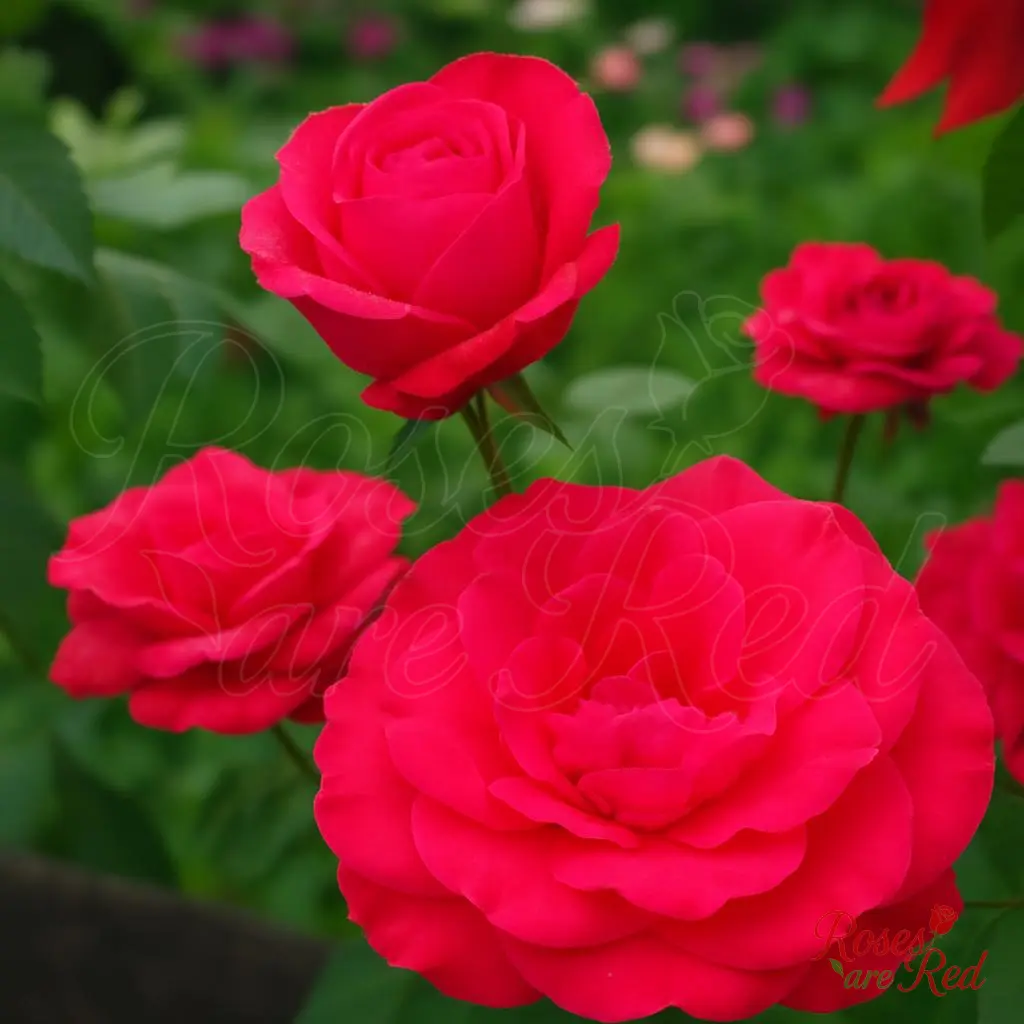
Modern Rose, hybrid kordesii "Gruss an Heidelberg", Germany, introduced by Kordes Rosen in 1959, Usually is crimson in color, globular bloom shape, blooms 9 - 10 cm in size, has 3-5 buds per stem, repeat rebloom, has light fragrance, the bush shape can be upright, 250 - 300 cm in height, 200 cm in width, suitable for USDA zone 5 from -29°C and above, low resistance to rain, low resistance to black spot, moderate resistance to mildew.
Main characteristics

Aroma

USDA Zone 5
-29°С

Rebloom


Bush Shape

Bloom Shape
Globular
Size

Height
250 - 300 cm

Width
200 cm

Bloom size
9 - 10 cm

Buds / Stem
3-5

Petal Count
Resistance

Heat

Shade

Rain

Black Spot

Mildew
More information
According to Wilhelm Cordes, Gruss an Heidelberg performs best as a shrub in cold climates and grows as a climbing rose in hot countries. Buds are long and open to bright crimson blooms that show little fading with age; the reverse of the petals is paler. The flower center is densely packed but opens enough to reveal the dark stamens. Flowers are produced in large numbers, singly or in clusters of up to 10, continuing until late autumn. Foliage is dark and glossy. The plant is vigorous, upright, and shows good disease resistance, though it is somewhat susceptible to black spot. Flowering is heavy and prolonged, especially in autumn.
This hybrid kordesii is suitable for sunny sites. Dense red, elongated buds develop into double, pinkish-red flowers about 10 cm in diameter, initially glass-shaped and later more flattened. They are borne in clusters on long shoots over an extended period. An abundant first flush is followed by moderate flowering in autumn. The bush is branched and upright. Often used as a pleached rose. Seldom affected by disease.
This hybrid kordesii is suitable for sunny sites. Dense red, elongated buds develop into double, pinkish-red flowers about 10 cm in diameter, initially glass-shaped and later more flattened. They are borne in clusters on long shoots over an extended period. An abundant first flush is followed by moderate flowering in autumn. The bush is branched and upright. Often used as a pleached rose. Seldom affected by disease.
Popular Breeders
Articles