

 Sign in
 Rose Catalog
Graham Thomas®, shrub

Registration name
AUSmas
Also known as
Lemon Parody
Share
Prices nearby
or to see prices for this rose



















Brief summary
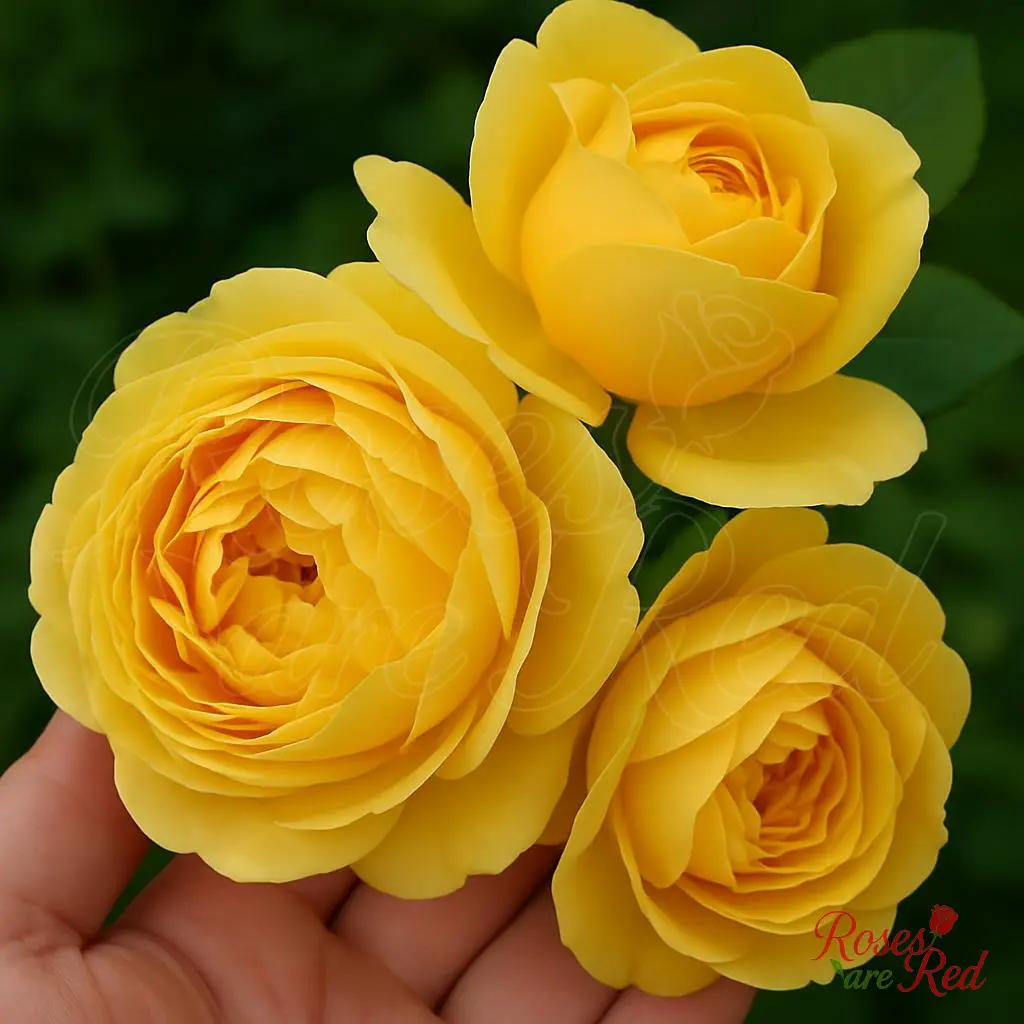
Modern Rose, shrub "Graham Thomas®", United Kingdom, introduced by David C. H. Austin in 1983, Usually is yellow in color, cupped bloom shape, full petal count, blooms 10 - 12 cm in size, has 3-5 buds per stem, repeat rebloom, has rich fragrance, the bush shape can be bushy, 100 - 120 cm in height, 120 - 240 cm in width, suitable for USDA zone 6 from -23°C and above, moderate resistance to rain, strong resistance to black spot, strong resistance to mildew.
Main characteristics

Aroma

USDA Zone 6
-23°С

Rebloom


Bush Shape

Bloom Shape
Cupped
Size

Height
100 - 120 cm

Width
120 - 240 cm

Bloom size
10 - 12 cm

Buds / Stem
3-5

Petal Count
Full
Resistance

Heat

Shade

Rain

Black Spot
Mildew
More information
Although many yellow rose cultivars have been developed—perhaps more than any other color—this cultivar remains among the most popular English roses. Few roses, including tea-hybrids, display such a pure, deep yellow color. The flowers are cup-shaped with a tea-rose scent. Graham Thomas forms a well-branched shrub and blooms regularly throughout the summer.
Forms a large shrub, especially in hot climates. A noted Austin cultivar. Flowers very freely.
This cultivar is among the most popular English roses and also among the most variable. Buds range in color from peach to red, opening to cup-shaped, double flowers 7–10 cm across, usually bright yellow, with peach tones under some conditions, fading to lighter shades with age. Several flower shades can be present on the shrub at the same time. Flowers are produced in clusters; fragrance ranges from medium to intense. Blooms heavily in early summer, followed by waves of moderate bloom through the rest of the season. Shoots are long and arching; foliage is dark green and glossy. The shrub is vigorous and upright. In cold climates it reaches up to 150 cm; in hot regions it produces very long shoots of 250–300 cm and can be trained on a support. In temperate climates, either allow shoots to elongate and support them, or cut them back by half after the first flowering to encourage branching. Some report that growing on its own roots also promotes branching. Disease resistance is good.
Forms a large shrub, especially in hot climates. A noted Austin cultivar. Flowers very freely.
This cultivar is among the most popular English roses and also among the most variable. Buds range in color from peach to red, opening to cup-shaped, double flowers 7–10 cm across, usually bright yellow, with peach tones under some conditions, fading to lighter shades with age. Several flower shades can be present on the shrub at the same time. Flowers are produced in clusters; fragrance ranges from medium to intense. Blooms heavily in early summer, followed by waves of moderate bloom through the rest of the season. Shoots are long and arching; foliage is dark green and glossy. The shrub is vigorous and upright. In cold climates it reaches up to 150 cm; in hot regions it produces very long shoots of 250–300 cm and can be trained on a support. In temperate climates, either allow shoots to elongate and support them, or cut them back by half after the first flowering to encourage branching. Some report that growing on its own roots also promotes branching. Disease resistance is good.
Popular Breeders
Articles