


 Sign in
 Rose Catalog
Share
Prices nearby
or to see prices for this rose



















Brief summary
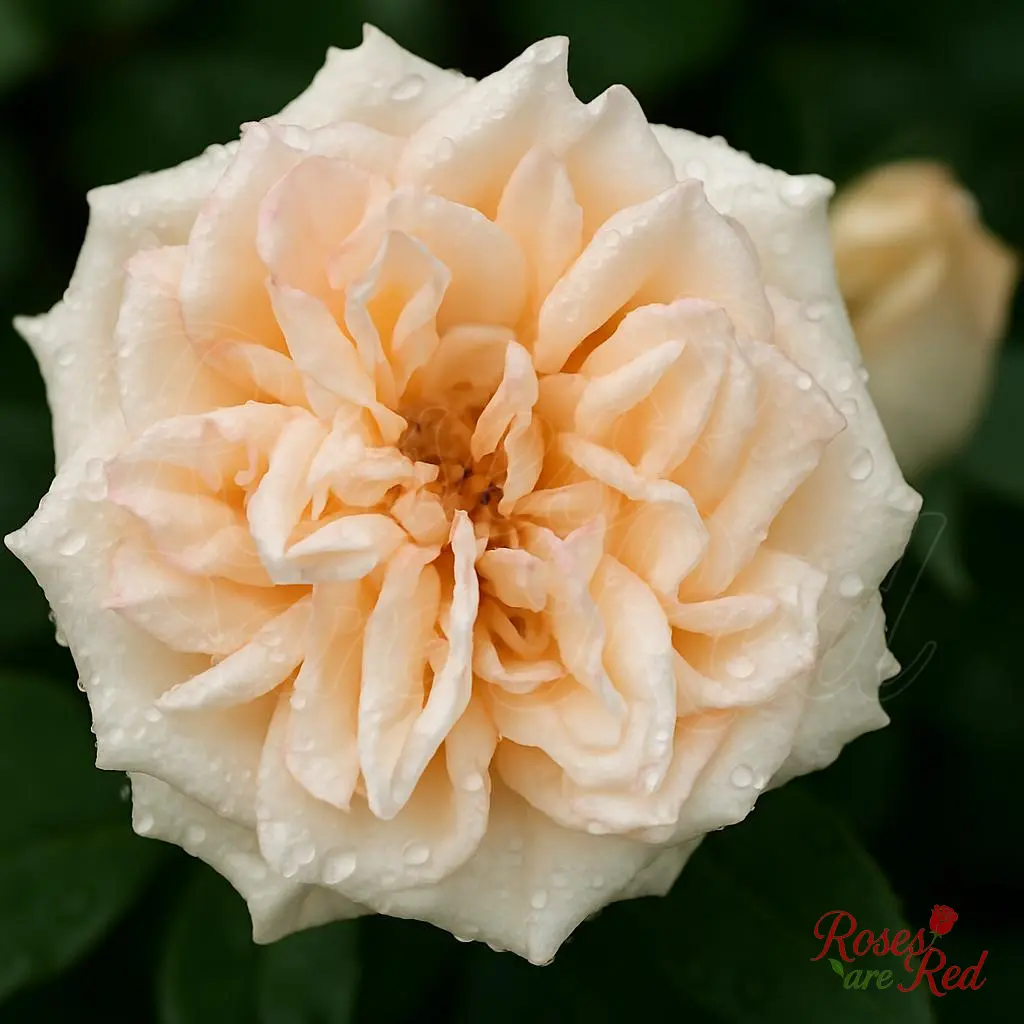
Old Garden Rose, noisette "Gloire de Dijon", France, introduced by Jacotot in 1850, Usually is yellow, peach, salmon in color, globular bloom shape, very full petal count, blooms 9 - 10 cm in size, has 1-3 buds per stem, continual rebloom, has rich fragrance, the bush shape can be arching, 250 - 500 cm in height, 300 cm in width, suitable for USDA zone 6 from -23°C and above, low resistance to rain, moderate resistance to black spot, moderate resistance to mildew.
Main characteristics

Aroma

USDA Zone 6
-23°С

Rebloom


Bush Shape

Bloom Shape
Globular
Size

Height
250 - 500 cm

Width
300 cm

Bloom size
9 - 10 cm

Buds / Stem
1-3

Petal Count
Very full
Resistance

Heat

Shade

Rain

Black Spot

Mildew
More information
A rose cultivar classified among Noisette roses and Tea roses; climber.
The exact origin of Gloire de Dijon is unknown, but the cultivar has been widely grown since its introduction and is among the most common roses. The blooms are slightly cup-shaped, with many loosely flattened petals at the center. Coloring is creamy yellow, fading to pale yellow and yellowish brown, initially showing a salmon tint at the center, especially on the reverse of the petals. Flowers are damaged by rain but hold well when cut. In tropical and subtropical regions it flowers year-round; in colder climates it starts early and continues until frost. Prune only lightly, and train the lower bare canes horizontally to stimulate axillary buds and lateral shoots. It is regarded as the most winter-hardy of the Tea roses.
Very large, double, flattened blooms with a pronounced fragrance and a rich creamy yellow tone, sometimes with amber or apricot tints. In warmer climates, pink tones may predominate. In English plantings it can reach up to 3.5 m. It flowers almost continuously through summer. Prefers full sun and remains very winter-hardy even in semi-shade. Susceptible to black spot. Repeat flowering is possible in autumn.
Blooms from May to December. The scent is spicy, reminiscent of cinnamon and ripe bananas. Avoid severe or low pruning; minimal pruning is recommended. Performs poorly in cold climates.
This Tea rose bears flowers about 10 cm across (sometimes larger), opening to flat rosettes with a mass of wavy petals at the center. The color is creamy yellow, fading to a delicate yellow, initially with a salmon hue at the center. The blooms are very fragrant, hold well when cut, and are rain-sensitive. It starts early and flowers for a long period; in hot climates it can bloom almost all year. Height can reach 5 m. It dislikes heavy pruning; bend the bare lower shoots horizontally to awaken lateral buds. Low, lush perennials can be planted at the base to cover the bare lower growth. A key feature of this cultivar is winter hardiness: it is the most winter-hardy of the Tea roses.
Although classified as a pliant Tea rose, its flowers resemble those of its other progenitor, the Bourbon rose Souvenir de la Malmaison. The blooms are large, rounded, flattened, creamy yellow with apricot‑pink tones, and strongly fragrant. It flowers very freely early in the season, with repeated waves until autumn.
The cultivar is recommended for zone 7.
Shade-tolerant variety.
The exact origin of Gloire de Dijon is unknown, but the cultivar has been widely grown since its introduction and is among the most common roses. The blooms are slightly cup-shaped, with many loosely flattened petals at the center. Coloring is creamy yellow, fading to pale yellow and yellowish brown, initially showing a salmon tint at the center, especially on the reverse of the petals. Flowers are damaged by rain but hold well when cut. In tropical and subtropical regions it flowers year-round; in colder climates it starts early and continues until frost. Prune only lightly, and train the lower bare canes horizontally to stimulate axillary buds and lateral shoots. It is regarded as the most winter-hardy of the Tea roses.
Very large, double, flattened blooms with a pronounced fragrance and a rich creamy yellow tone, sometimes with amber or apricot tints. In warmer climates, pink tones may predominate. In English plantings it can reach up to 3.5 m. It flowers almost continuously through summer. Prefers full sun and remains very winter-hardy even in semi-shade. Susceptible to black spot. Repeat flowering is possible in autumn.
Blooms from May to December. The scent is spicy, reminiscent of cinnamon and ripe bananas. Avoid severe or low pruning; minimal pruning is recommended. Performs poorly in cold climates.
This Tea rose bears flowers about 10 cm across (sometimes larger), opening to flat rosettes with a mass of wavy petals at the center. The color is creamy yellow, fading to a delicate yellow, initially with a salmon hue at the center. The blooms are very fragrant, hold well when cut, and are rain-sensitive. It starts early and flowers for a long period; in hot climates it can bloom almost all year. Height can reach 5 m. It dislikes heavy pruning; bend the bare lower shoots horizontally to awaken lateral buds. Low, lush perennials can be planted at the base to cover the bare lower growth. A key feature of this cultivar is winter hardiness: it is the most winter-hardy of the Tea roses.
Although classified as a pliant Tea rose, its flowers resemble those of its other progenitor, the Bourbon rose Souvenir de la Malmaison. The blooms are large, rounded, flattened, creamy yellow with apricot‑pink tones, and strongly fragrant. It flowers very freely early in the season, with repeated waves until autumn.
The cultivar is recommended for zone 7.
Shade-tolerant variety.
Popular Breeders
Articles