


 Sign in
 Rose Catalog
Share
Prices nearby
or to see prices for this rose


















Brief summary
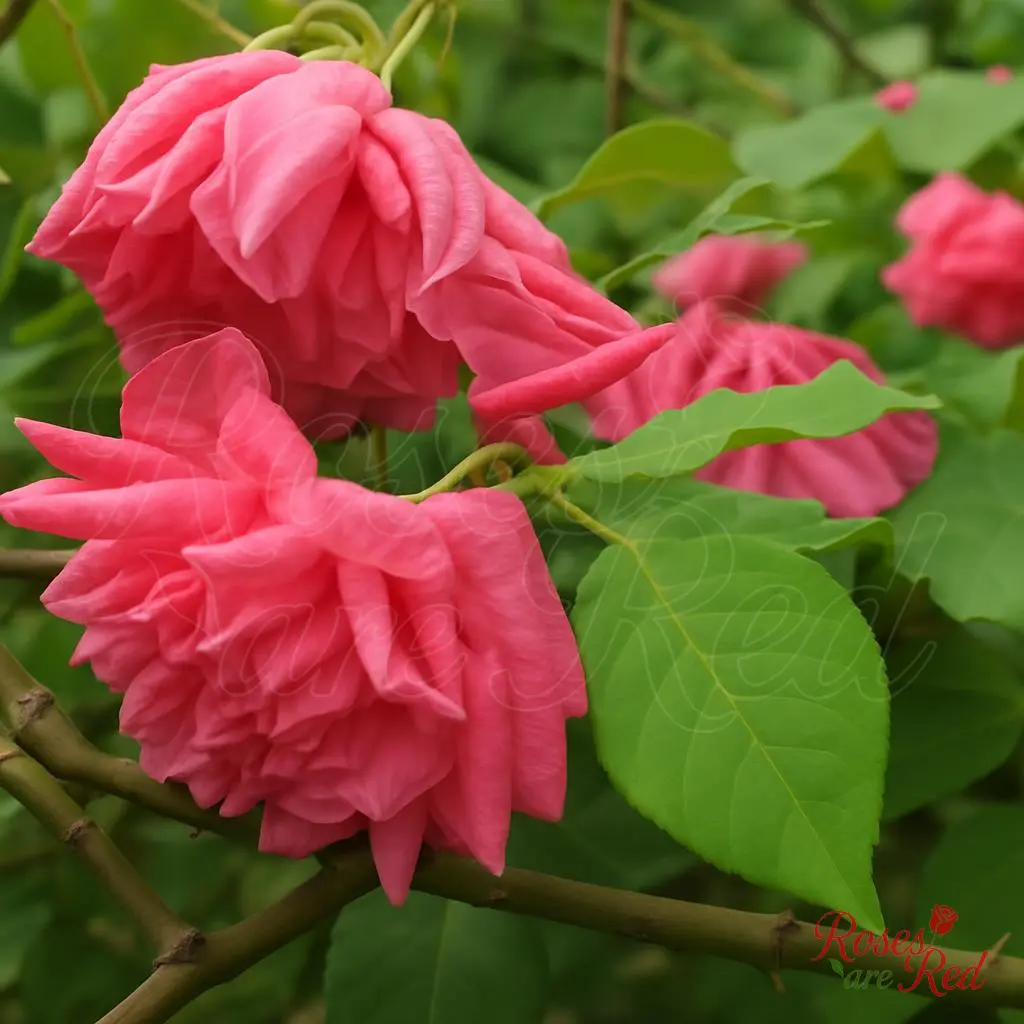
Old Garden Rose, tea "General Schablikine", France, introduced by Nabonnand in 1878, Usually is brown, fuchsia in color, cupped bloom shape, very full petal count, blooms 5 - 7 cm in size, has 3-5 buds per stem, continual rebloom, has moderate fragrance, the bush shape can be arching, 200 cm in height, 200 cm in width, suitable for USDA zone 6 from -23°C and above, moderate resistance to rain, strong resistance to black spot, strong resistance to mildew.
Main characteristics

Aroma

USDA Zone 6
-23°С

Rebloom


Bush Shape

Bloom Shape
Cupped
Size

Height
200 cm

Width
200 cm

Bloom size
5 - 7 cm

Buds / Stem
3-5

Petal Count
Very full
Resistance

Heat

Shade

Rain

Black Spot

Mildew
More information
The rose 'General Schablikine' (T, Nabonnand, 1878) was bred by Gilbert Nabonnand. This Tea variety is widely cultivated internationally; the rose 'General Schablikine' appears in rose gardens from Japan to England. Owing to its disease resistance and high adaptability to varied temperature conditions, the cultivar is recognized by both professionals and amateurs. A notable characteristic is the length of its flowering period: it begins blooming early and is among the last to finish in autumn. In places where roses bloom in December or January, this variety is among those in flower.
The shrub typically produces many blooms; the flowers are small, full (more than 40 petals), rich pink with a copper tint. The bush reaches up to 2 m in height, with a similar diameter. Shoots may be without thorns or bear very few. Flower form can change depending on soil properties.
High-society trends of the 1870s favored the Côte d’Azur and the Riviera; beginning in 1872, summers on the Mediterranean coast brought contacts with the French horticulturist Nabonnand. In 1875–1876 the rose 'General Shablykin' was probably commissioned in honor of a vice-governor of Moscow, and it entered commerce in 1878.
The rose could also have been commissioned by the vice-governor’s daughter, who spent long periods at a villa in Nice owned by her husband, a prince. Today it operates as a hotel in the city center called Chateau des Olier.
The shrub typically produces many blooms; the flowers are small, full (more than 40 petals), rich pink with a copper tint. The bush reaches up to 2 m in height, with a similar diameter. Shoots may be without thorns or bear very few. Flower form can change depending on soil properties.
High-society trends of the 1870s favored the Côte d’Azur and the Riviera; beginning in 1872, summers on the Mediterranean coast brought contacts with the French horticulturist Nabonnand. In 1875–1876 the rose 'General Shablykin' was probably commissioned in honor of a vice-governor of Moscow, and it entered commerce in 1878.
The rose could also have been commissioned by the vice-governor’s daughter, who spent long periods at a villa in Nice owned by her husband, a prince. Today it operates as a hotel in the city center called Chateau des Olier.
Popular Breeders
Articles