


 Sign in
 Rose Catalog
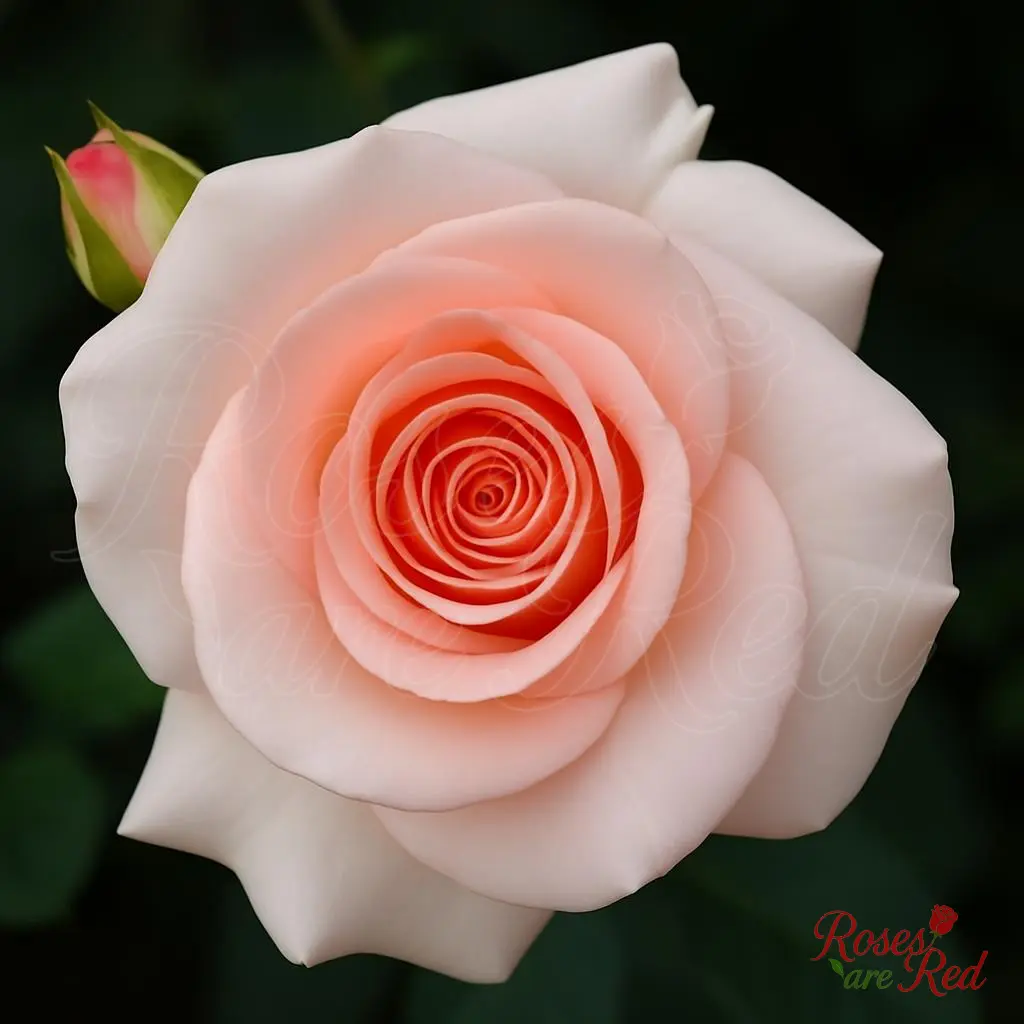
Flamingo, hybrid tea

Also known as
KORflug
Margaret Thatcher
Porcelain
Veronica
Veronika
Share
Prices nearby
or to see prices for this rose



















Brief summary
Modern Rose, hybrid tea "Flamingo", Germany, introduced by Kordes Rosen in 1979, Usually is pink in color, high-center (point) bloom shape, blooms 9 - 10 cm in size, has 1 buds per stem, repeat rebloom, has light fragrance, the bush shape can be upright, 100 - 125 cm in height, 100 cm in width, suitable for USDA zone 5 from -29°C and above, moderate resistance to black spot, moderate resistance to mildew, good for cutting.
Main characteristics

Aroma

USDA Zone 5
-29°С

Rebloom


Bush Shape

Bloom Shape
High-center (Point)
Size

Height
100 - 125 cm

Width
100 cm
Bloom size
9 - 10 cm

Buds / Stem
1

Petal Count
Resistance

Heat

Shade

Rain

Black Spot
Mildew
More information
The coloration of Flamingo matches the pink hue of the European flamingo, and over time the edges fade to a silvery pink. The form holds for an extended period. Bred for cut flower use, but less common for that purpose than in garden cultivation. Buds are ivory, high-centered, and not highly double. Flowers appear singly or in clusters of up to 7 on long shoots. The shrub is vigorous and continuously produces new flowering shoots. Disease-resistant.
At the tips of very prickly shoots, pink, flamingo-colored flowers of defined form open. Orange-yellow buds open slowly, petal by petal. Suitable for cutting; flowers remain in a vase for a long period. In beds, the bloom period is extended, and spent flowers drop quickly. Shoots are erect yet fairly thin. Foliage is dark green and glossy.
Buds are long and pointed. Flowers are soft pink, persistent, goblet-shaped, large (10–11 cm), double (25 petals), faintly fragrant, solitary, on long, stout pedicels. Leaves are dark green, leathery, and slightly susceptible to powdery mildew. Spines are large and frequent. Bushes are erect and well-branched. Flowering is abundant. For group plantings, cut flower use, and forcing. Introduced to GBS in 1980
At the tips of very prickly shoots, pink, flamingo-colored flowers of defined form open. Orange-yellow buds open slowly, petal by petal. Suitable for cutting; flowers remain in a vase for a long period. In beds, the bloom period is extended, and spent flowers drop quickly. Shoots are erect yet fairly thin. Foliage is dark green and glossy.
Buds are long and pointed. Flowers are soft pink, persistent, goblet-shaped, large (10–11 cm), double (25 petals), faintly fragrant, solitary, on long, stout pedicels. Leaves are dark green, leathery, and slightly susceptible to powdery mildew. Spines are large and frequent. Bushes are erect and well-branched. Flowering is abundant. For group plantings, cut flower use, and forcing. Introduced to GBS in 1980
Popular Breeders
Articles