

 Sign in
 Rose Catalog
English Garden®, shrub

Registration name
AUSbuff
Also known as
Schloss Glücksburg
Share
Prices nearby
or to see prices for this rose

















Brief summary
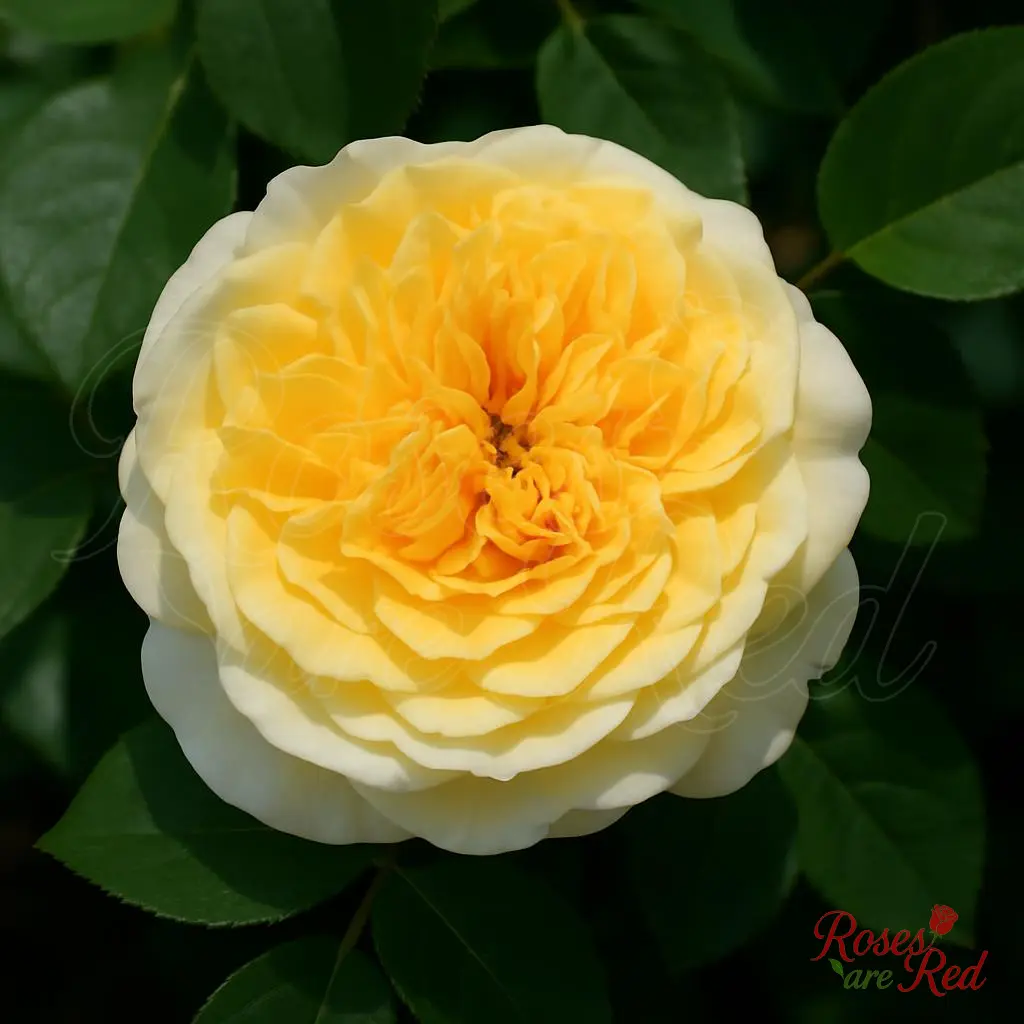
Modern Rose, shrub "English Garden®", United Kingdom, introduced by David C. H. Austin in 1986, Usually is peach in color, flat bloom shape, blooms 10 - 12 cm in size, has 1-3 buds per stem, repeat rebloom, has light fragrance, the bush shape can be upright, 80 - 90 cm in height, 75 cm in width, suitable for USDA zone 5 from -29°C and above, low resistance to black spot, low resistance to mildew.
Main characteristics

Aroma

USDA Zone 5
-29°С

Rebloom


Bush Shape

Bloom Shape
Flat
Size

Height
80 - 90 cm

Width
75 cm
Bloom size
10 - 12 cm
Buds / Stem
1-3

Petal Count
Resistance

Heat

Shade

Rain

Black Spot
Mildew
More information
The English Garden rose bears classic, old-rose blooms. They are flat, composed of many small petals that later droop slightly; the centers are yellow, fading toward almost white at the edges. The scent is a light tea fragrance. The shrub is fairly low and upright, similar to hybrid tea roses. This habit is more suitable for a bed than for a border. The leaves are pale green.
Yellow‑apricot roses with a vintage look are uncommon; the modern English Garden rose fits this description. Yellow and red buds open into densely petalled flowers, 8–10 cm in diameter, borne in clusters. The blooms are initially broadly calyx‑shaped, later flattening, with a delicate yellow or peach‑yellow center and a creamy white perimeter. Fragrance varies considerably, described by some as very light and by others as intense. The foliage is light green. The shrub is upright, branched, and reaches 90–120 cm in both height and width. Planting in groups of 3 or more is recommended for mass plantings or a mixed border. The softly colored blooms are often combined with soft pink, blue, and white perennials. Also suitable for cultivation in a large container. Shows disease resistance; apply preventive measures against black spot and rust where these diseases occur.
Yellow‑apricot roses with a vintage look are uncommon; the modern English Garden rose fits this description. Yellow and red buds open into densely petalled flowers, 8–10 cm in diameter, borne in clusters. The blooms are initially broadly calyx‑shaped, later flattening, with a delicate yellow or peach‑yellow center and a creamy white perimeter. Fragrance varies considerably, described by some as very light and by others as intense. The foliage is light green. The shrub is upright, branched, and reaches 90–120 cm in both height and width. Planting in groups of 3 or more is recommended for mass plantings or a mixed border. The softly colored blooms are often combined with soft pink, blue, and white perennials. Also suitable for cultivation in a large container. Shows disease resistance; apply preventive measures against black spot and rust where these diseases occur.
Popular Breeders
Articles