


 Sign in
 Rose Catalog
Share
Prices nearby
or to see prices for this rose

















Brief summary
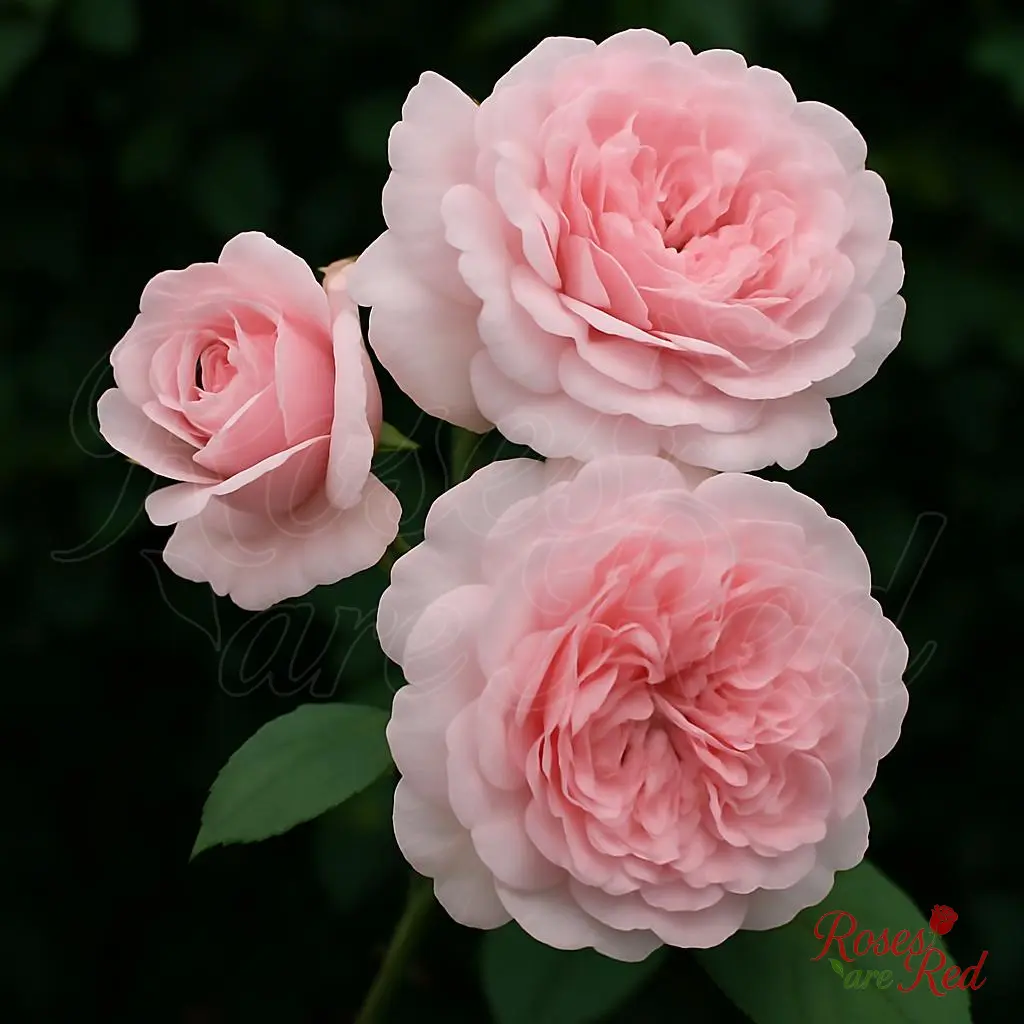
Modern Rose, shrub "Eglantyne®", United Kingdom, introduced by David C. H. Austin in 1984, Usually is pink in color, globular bloom shape, very full petal count, blooms 8 - 10 cm in size, has 3-5 buds per stem, continual rebloom, has rich fragrance, the bush shape can be bushy, 120 - 150 cm in height, 125 cm in width, suitable for USDA zone 5 from -29°C and above, low resistance to rain, low resistance to black spot, moderate resistance to mildew, good for cutting.
Main characteristics

Aroma

USDA Zone 5
-29°С

Rebloom


Bush Shape

Bloom Shape
Globular
Size

Height
120 - 150 cm

Width
125 cm
Bloom size
8 - 10 cm

Buds / Stem
3-5

Petal Count
Very full
Resistance

Heat

Shade

Rain

Black Spot
Mildew
More information
A rose cultivar known for its floral characteristics. Blooms are large and well-formed; the petal edges are slightly reflexed, creating an almost saucer-shaped flower. The flowers are pure pink with a light fragrance. The shrub is medium in height, broad and branching. Although Eglantine is susceptible to disease, it is used as a garden plant.
An English rose by David Austin that produces abundant blooms and is widely grown. The flowers are soft pink with a darker reverse and paler edges, later fading to pale pink and white. The form is slightly cup-shaped, twisted rosettes, sometimes with a button in the centre. They are borne in dense sprays that lean toward the ground, 3–9 per spray, and are long-lasting. The shrub is branched, erect, very prickly, with matt foliage. Black spot can be an issue, but Eglantine flowers almost continuously.
Similar to Mary Rose, with a more upright and less stout shrub shape. The flowers are soft pink, paler at the edges, forming well-defined rosettes. Forms a low bush of medium size.
Develops into a large, branching bush. The first flowering is very abundant; later, individual blooms appear. Opens quickly in heat.
An English rose by David Austin that produces abundant blooms and is widely grown. The flowers are soft pink with a darker reverse and paler edges, later fading to pale pink and white. The form is slightly cup-shaped, twisted rosettes, sometimes with a button in the centre. They are borne in dense sprays that lean toward the ground, 3–9 per spray, and are long-lasting. The shrub is branched, erect, very prickly, with matt foliage. Black spot can be an issue, but Eglantine flowers almost continuously.
Similar to Mary Rose, with a more upright and less stout shrub shape. The flowers are soft pink, paler at the edges, forming well-defined rosettes. Forms a low bush of medium size.
Develops into a large, branching bush. The first flowering is very abundant; later, individual blooms appear. Opens quickly in heat.
Popular Breeders
Articles