


 Sign in
 Rose Catalog
Duftwolke, hybrid tea

Also known as
TANellis
Fragrant Cloud
Nuage Parfume
Share
Prices nearby
or to see prices for this rose



















Brief summary
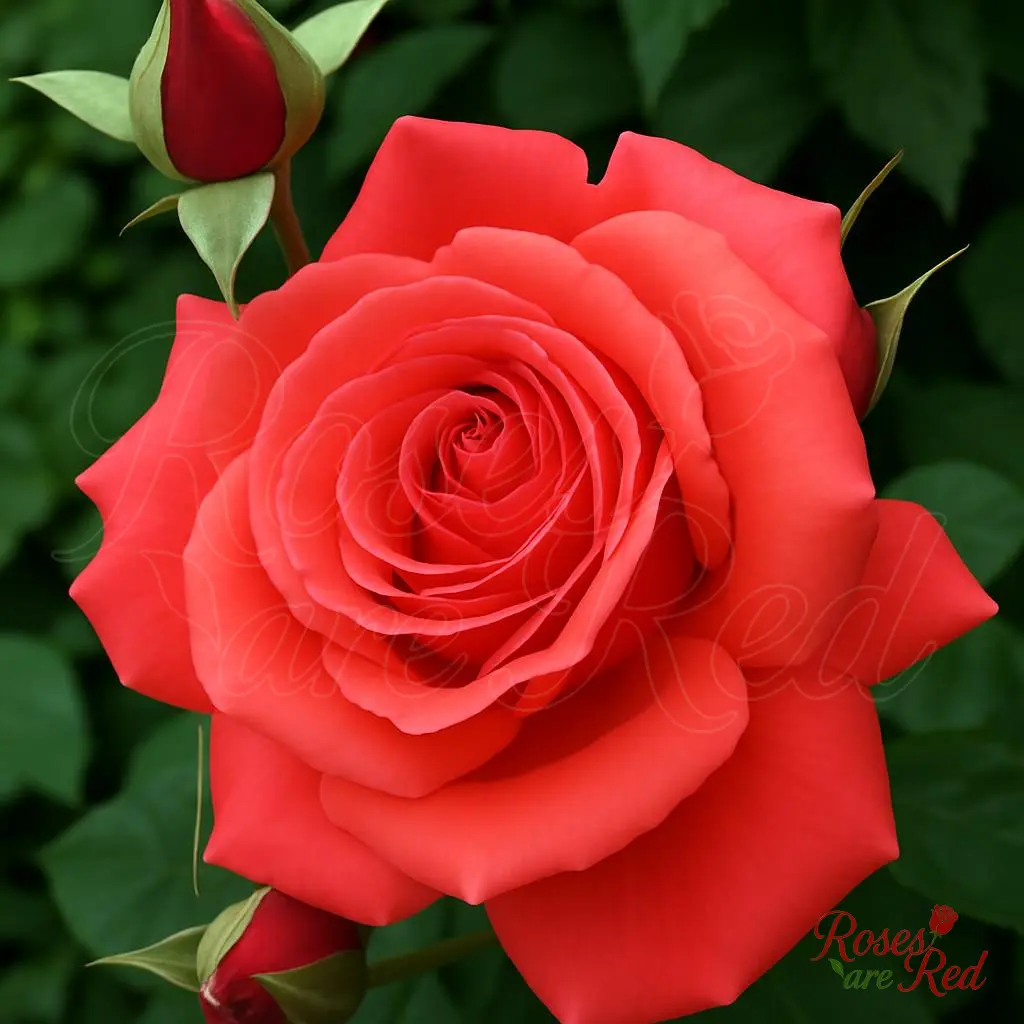
Modern Rose, hybrid tea "Duftwolke", Germany, introduced by Rosen Tantau in 1967, Usually is red, salmon in color, high-center (point) bloom shape, blooms 10 - 12 cm in size, has 1-3 buds per stem, repeat rebloom, has rich fragrance, the bush shape can be upright, 60 - 70 cm in height, 60 cm in width, suitable for USDA zone 5 from -29°C and above, low resistance to rain, low resistance to black spot, moderate resistance to mildew, good for cutting.
Main characteristics

Aroma

USDA Zone 5
-29°С

Rebloom


Bush Shape

Bloom Shape
High-center (Point)
Size

Height
60 - 70 cm

Width
60 cm

Bloom size
10 - 12 cm

Buds / Stem
1-3

Petal Count
Resistance

Heat

Shade

Rain

Black Spot

Mildew
More information
Duftwolke combines notable flower size with a strong fragrance. It is a vigorous, disease-resistant cultivar. The colour is bright scarlet, variously described as orange, coral, or geranium; with age it shifts toward a purplish tone. Classified as a Hybrid Tea, yet blooms commonly appear in clusters of 3–7. Suitable for cutting, though stems are short. The shrub is prickly, well-branched, with large foliage. In hot climates it can reach 2 m.
Fully double flowers on this low-growing rose have a bright coral-red tone and appear from early summer. The German name translates as “fragrant cloud,” and the flowers carry a very strong fruity, slightly spicy scent. The cultivar has received multiple awards. Glossy green leaves are susceptible to black spot and powdery mildew, but the plant regrows quickly and continues to look presentable until late autumn. The flowers have poor rain tolerance.
Upright bush to 75 cm with abundant, dark green, leathery foliage. Flowers shift from coral-red to purplish-red and are very fragrant. Rain can cause rotting and staining of blooms. Otherwise shows stable growth and hardiness. Used in mass plantings.
Award-winning Hybrid Tea, often listed among the top ten most fragrant roses. Long, bright red buds open to large, high-centered blooms up to 15 cm in diameter. Colour ranges between delicate brick-red and purplish-red depending on flower age. Appearance varies with lighting and stage; assessing colour on locally grown plants may be advisable before purchase. Flowers freely from early summer through autumn. Shoots are spiny; foliage is dark green and glossy. The habit is stiff and upright. Commonly planted in groups of 3 or more, in beds or borders. Suitable for cutting. Disease resistance is average; prophylactic treatments are recommended.
Fully double flowers on this low-growing rose have a bright coral-red tone and appear from early summer. The German name translates as “fragrant cloud,” and the flowers carry a very strong fruity, slightly spicy scent. The cultivar has received multiple awards. Glossy green leaves are susceptible to black spot and powdery mildew, but the plant regrows quickly and continues to look presentable until late autumn. The flowers have poor rain tolerance.
Upright bush to 75 cm with abundant, dark green, leathery foliage. Flowers shift from coral-red to purplish-red and are very fragrant. Rain can cause rotting and staining of blooms. Otherwise shows stable growth and hardiness. Used in mass plantings.
Award-winning Hybrid Tea, often listed among the top ten most fragrant roses. Long, bright red buds open to large, high-centered blooms up to 15 cm in diameter. Colour ranges between delicate brick-red and purplish-red depending on flower age. Appearance varies with lighting and stage; assessing colour on locally grown plants may be advisable before purchase. Flowers freely from early summer through autumn. Shoots are spiny; foliage is dark green and glossy. The habit is stiff and upright. Commonly planted in groups of 3 or more, in beds or borders. Suitable for cutting. Disease resistance is average; prophylactic treatments are recommended.
Popular Breeders
Articles