


 Sign in
 Rose Catalog
Double Delight, hybrid tea

Also known as
ANDeli
Share
Prices nearby
or to see prices for this rose



















Brief summary
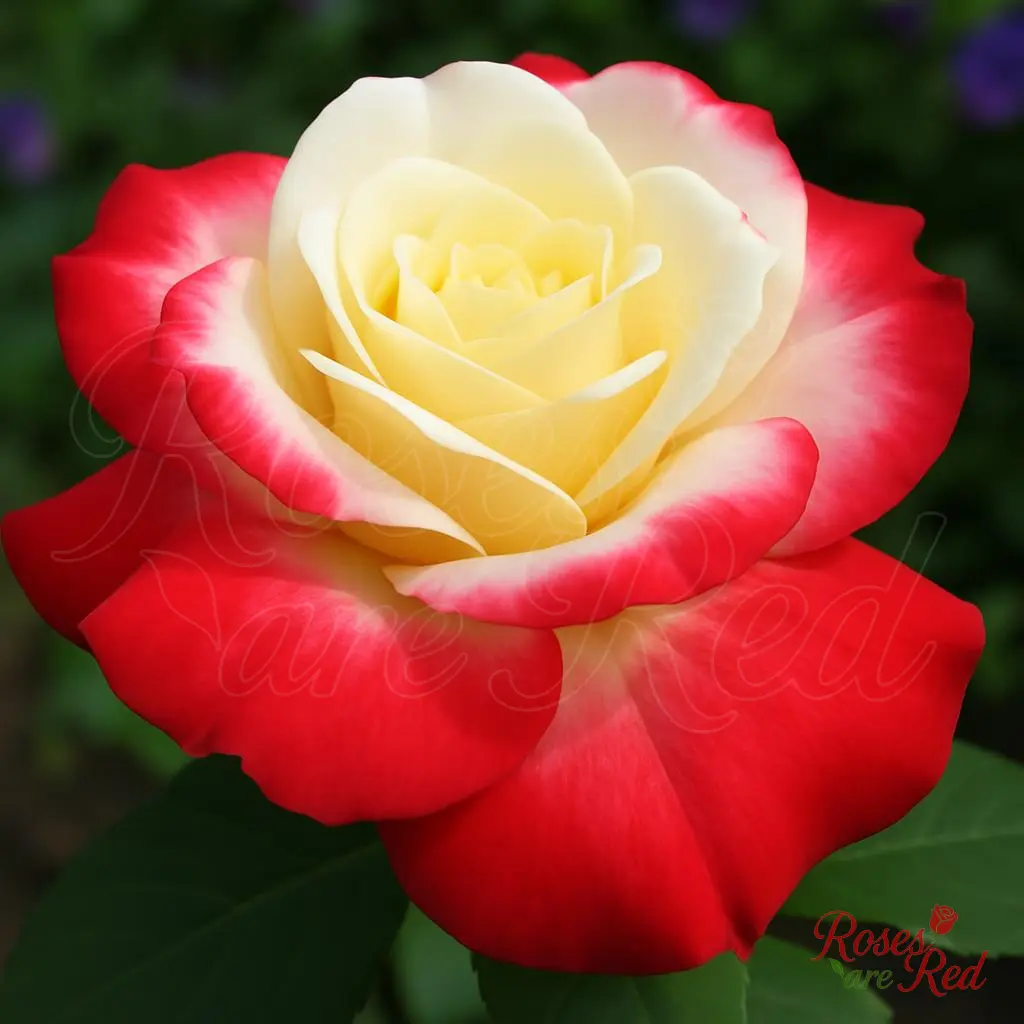
Modern Rose, hybrid tea "Double Delight", United States, introduced by Herbert C. Swim, A.E. & A.W. Ellis in 1977, Usually is white, crimson in color, high-center (point) bloom shape, full petal count, blooms 13 - 14 cm in size, has 1 buds per stem, repeat rebloom, has rich fragrance, the bush shape can be bushy, 90 - 150 cm in height, 60 - 150 cm in width, suitable for USDA zone 6 from -23°C and above, low resistance to rain, moderate resistance to black spot, low resistance to mildew, good for cutting.
Main characteristics

Aroma

USDA Zone 6
-23°С

Rebloom


Bush Shape

Bloom Shape
High-center (Point)
Size

Height
90 - 150 cm

Width
60 - 150 cm

Bloom size
13 - 14 cm

Buds / Stem
1

Petal Count
Full
Resistance

Heat

Shade

Rain

Black Spot

Mildew
More information
Double Delight is a widely cultivated modern rose. It is unclear whether the name refers to the contrasting bicolor flowers or to both color and scent. The bud is high-centered and slow to open. It has a long vase life. Flowers begin creamy white with red limited to the outer petals; as they open, crimson pigment increases, especially in hot weather. This creates a marked contrast between bright crimson outer petals and a creamy white center. Blooms are very large, typically solitary, with 2–3 per stem only occasionally, carried on long, stiff, thorny shoots. Foliage is large and dark green; the plant is erect and more branched than many hybrid teas. It is generally straightforward to grow, though black spot or powdery mildew may occur. The red pigmentation develops under ultraviolet exposure, so blooms vary with weather conditions; in greenhouses where glass filters UV, flowers remain white. The fragrance is strong, sweet, and fruity.
Widely grown worldwide; noted for a persistent fragrance that does not readily fade. Blooms are creamy white to yellow with a dark red edge.
Hybrid tea. Flowers are white with a red margin that widens as the bloom opens. The scent is intense and spicy. Reported as better than average in disease resistance by some sources. (Oliver)
Large, high-centered, double blooms about 12 cm in diameter. As they open, a cherry-red border develops on creamy white petals, producing a strong contrast. Color intensity depends on sunlight and the flower’s age, so individual blooms differ. Flowers usually appear singly on long stems and carry a pronounced fragrance described as spicy or fruity. Bloom begins in early summer, with typically abundant repeat through the rest of the season. Shoots are moderately prickly. The bush is spreading. Suitable for cutting; without sun, flowers remain creamy. A main drawback noted is susceptibility to powdery mildew, especially in colder climates.
Widely grown worldwide; noted for a persistent fragrance that does not readily fade. Blooms are creamy white to yellow with a dark red edge.
Hybrid tea. Flowers are white with a red margin that widens as the bloom opens. The scent is intense and spicy. Reported as better than average in disease resistance by some sources. (Oliver)
Large, high-centered, double blooms about 12 cm in diameter. As they open, a cherry-red border develops on creamy white petals, producing a strong contrast. Color intensity depends on sunlight and the flower’s age, so individual blooms differ. Flowers usually appear singly on long stems and carry a pronounced fragrance described as spicy or fruity. Bloom begins in early summer, with typically abundant repeat through the rest of the season. Shoots are moderately prickly. The bush is spreading. Suitable for cutting; without sun, flowers remain creamy. A main drawback noted is susceptibility to powdery mildew, especially in colder climates.
Popular Breeders
Articles