


 Sign in
 Rose Catalog
David Thompson, hybrid rugosa
Share
Prices nearby
or to see prices for this rose



















Brief summary
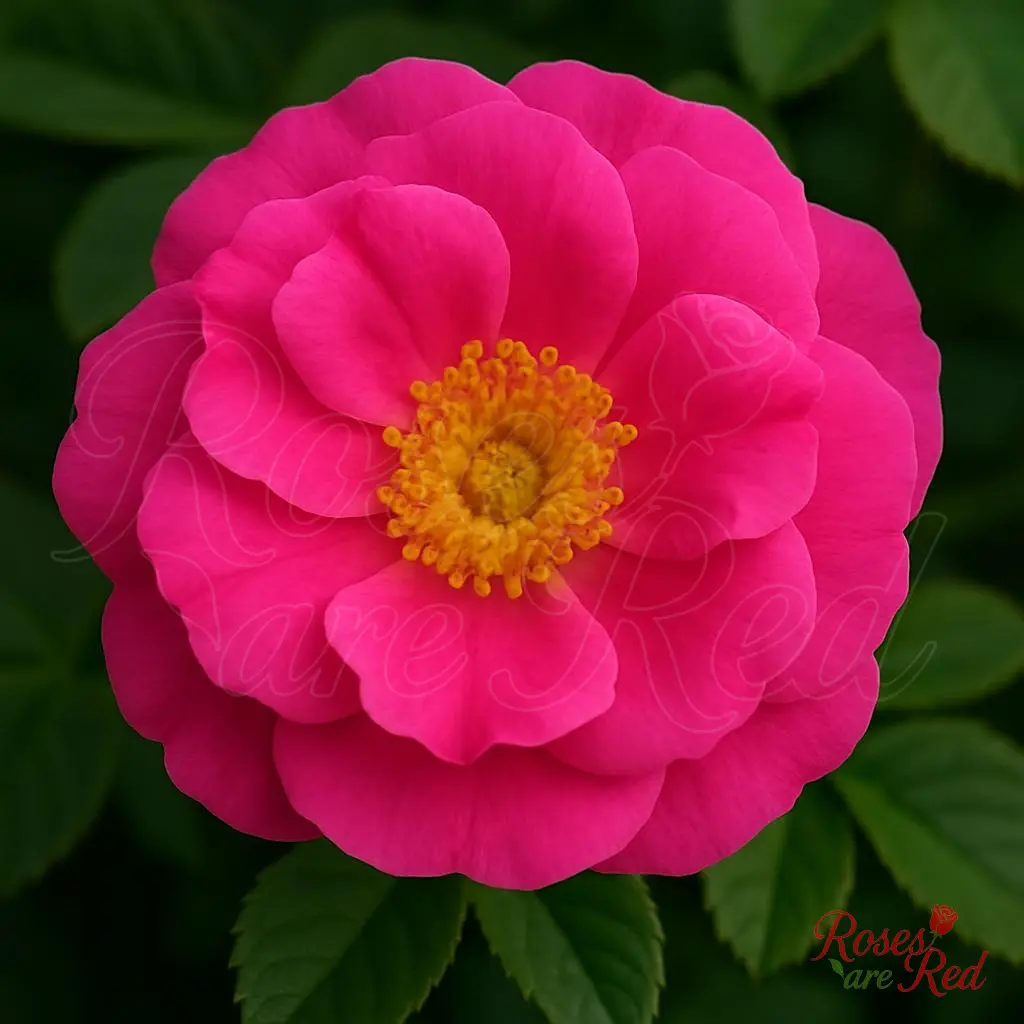
Modern Rose, hybrid rugosa "David Thompson", introduced by Dr. Felicitas Svejda in 1979, Usually is red in color, semi double bloom shape, blooms 6 - 7 cm in size, has 3-5 buds per stem, repeat rebloom, has moderate fragrance, the bush shape can be bushy, 120 - 150 cm in height, 120 cm in width, suitable for USDA zone 3 from -40°C and above, strong resistance to black spot, strong resistance to mildew.
Main characteristics

Aroma

USDA Zone 3
-40°С

Rebloom


Bush Shape

Bloom Shape
Semi double
Size

Height
120 - 150 cm

Width
120 cm

Bloom size
6 - 7 cm

Buds / Stem
3-5

Petal Count
Resistance

Heat

Shade

Rain

Black Spot

Mildew
More information
This variety shows strong rugosa characteristics from its ancestry, including wrinkled foliage, season-long flowering, and spiny shoots. Blooms are purplish-pink with white streaks and pale yellow stamens. When just opening, the flowers are cup-shaped; they are semi-double and borne in dense clusters of 3–7. Winter hardiness is noted. Plants reach 1–1.5 m, forming a rounded shrub. Leaf edges may brown, while resistance to black spot and powdery mildew is high. Very resistant to disease. Severe frost can cause significant damage in very cold winters, though overall winter hardiness is reported.
A hardy member of the Explorer series, this rugosa hybrid has pointed, ovate buds that open to double, cup-shaped or flat flowers 5–6 cm across. Flower color varies; blooms are typically deep pink, sometimes with white streaks, with a cluster of yellow stamens in the center. Flowers occur in clusters and are fragrant. Blooming continues from early summer until frost. Foliage is glossy and wrinkled. The shrub is branched, rounded, 90–120 cm tall and of similar width. Suitable for low hedges and mixed borders. Perennials with silvery foliage, such as Artemisia and Stachys byzantina, provide contrast to the bright flowers. Seldom affected by disease.
A hardy member of the Explorer series, this rugosa hybrid has pointed, ovate buds that open to double, cup-shaped or flat flowers 5–6 cm across. Flower color varies; blooms are typically deep pink, sometimes with white streaks, with a cluster of yellow stamens in the center. Flowers occur in clusters and are fragrant. Blooming continues from early summer until frost. Foliage is glossy and wrinkled. The shrub is branched, rounded, 90–120 cm tall and of similar width. Suitable for low hedges and mixed borders. Perennials with silvery foliage, such as Artemisia and Stachys byzantina, provide contrast to the bright flowers. Seldom affected by disease.
Popular Breeders
Articles