


 Sign in
 Rose Catalog
Share
Prices nearby
or to see prices for this rose



















Brief summary
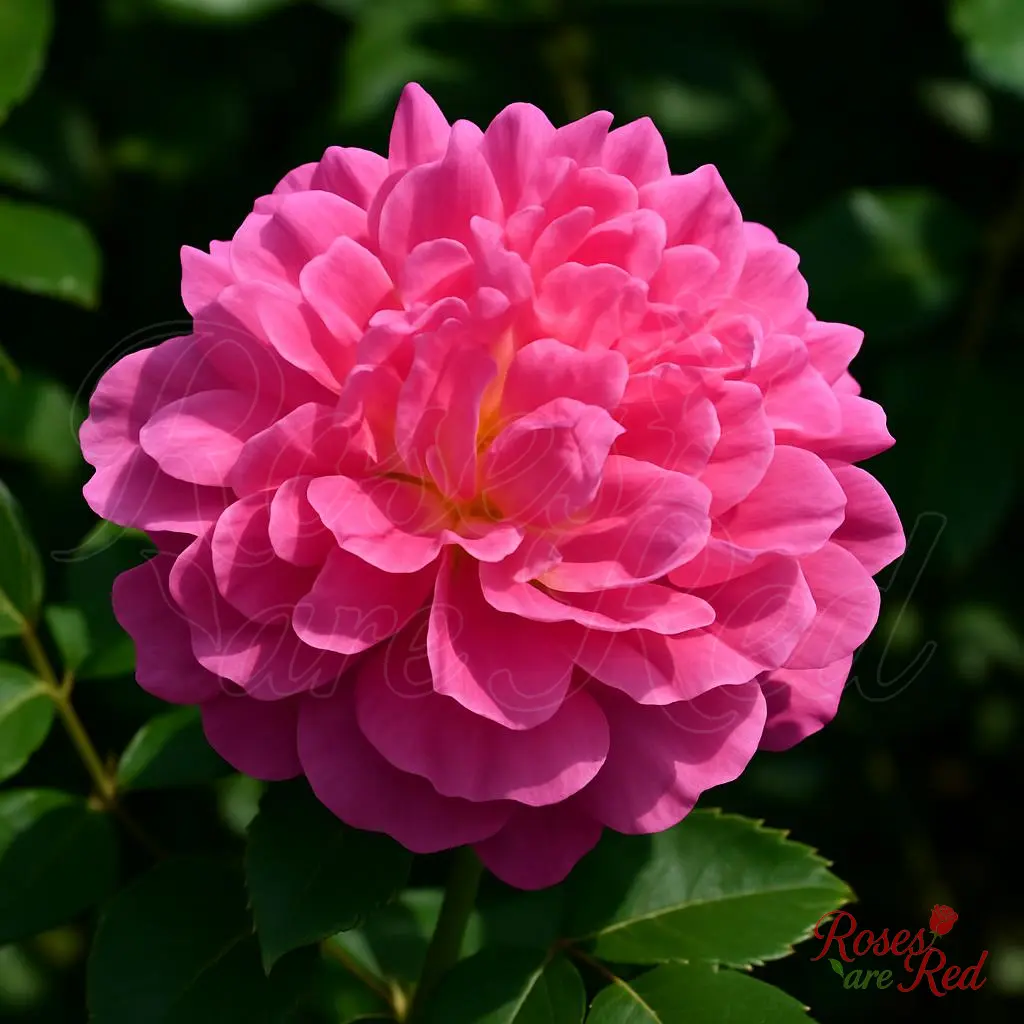
Modern Rose, shrub "Countryman", United Kingdom, introduced by David C. H. Austin in 1979, Usually is pink in color, flat bloom shape, full petal count, blooms 8 - 10 cm in size, has 3-5 buds per stem, repeat rebloom, has rich fragrance, the bush shape can be bushy, spreading, upright, 90 - 125 cm in height, 60 - 120 cm in width, suitable for USDA zone 6 from -23°C and above, moderate resistance to rain, moderate resistance to black spot, moderate resistance to mildew, good for cutting.
Main characteristics

Aroma

USDA Zone 6
-23°С

Rebloom


Bush Shape


Bloom Shape
Flat
Size

Height
90 - 125 cm

Width
60 - 120 cm

Bloom size
8 - 10 cm

Buds / Stem
3-5

Petal Count
Full
Resistance

Heat

Shade

Rain

Black Spot

Mildew
More information
As with Gertrude Jekyll, this cultivar derives from a cross involving an old Portland rose. Compared with Gertrude Jekyll, the blooms are less massive, with relatively narrow petals. They form a rosette, the outer petals curving slightly downward, in a vivid deep pink with a strong rose‑oil fragrance. Growth is upright at first; later the branches open out, as in Lilian Austin, giving a spreading habit. Because this does not always occur on its own, bending some canes and pegging them to the ground is advisable. This encourages new flowering shoots and the formation of a compact small shrub. The foliage is elongated, reminiscent of Damask roses.
The bush is spreading, with a balanced outline. Foliage is abundant, pale green, and contrasts with the blooms. The plant is broader than it is tall. Fragrance notes include rose oil and strawberry. Disease resistant and hardy.
The Countryman recalls Portland roses, including its ancestor Comte de Chambord; it functions as a modern cultivar with an old‑style character. Blooms are flat and very double, with many narrow, wavy petals; they open as radiant pink and later fade to soft pink. Petals show lighter undersides and edges, with a creamy tint at the base. Flowers appear in dense clusters of 3–7 and are held upright on short pedicels (i.e., they do not droop). If spent blooms are left in place, red hips may develop in autumn; with removal of old blooms, flowering continues until the first frost. Foliage is dark green and disease resistant, with paler undersides. The shrub is well furnished with leaves, dense, branching, and prickly. Shoots usually grow vertically but may bend and arch, especially in hot climates, where The Countryman can reach 2 m and responds well to pegging.
Blooms are medium‑sized and may not at first appear densely petalled, though they bear about 40 petals. At the semi‑open stage they show a warm deep pink, peony‑like effect in large, loose rosettes, with a noticeable fragrance. Flowering typically occurs in two distinct flushes, summer and autumn; with deadheading, individual blooms may appear between flushes. The shrub can be irregular, with interlacing branches growing in different directions, so some flowers are partly embedded in the foliage. Disease resistant, of medium height, and clothed in matte bright green leaves that feel soft to the touch.
The bush is spreading, with a balanced outline. Foliage is abundant, pale green, and contrasts with the blooms. The plant is broader than it is tall. Fragrance notes include rose oil and strawberry. Disease resistant and hardy.
The Countryman recalls Portland roses, including its ancestor Comte de Chambord; it functions as a modern cultivar with an old‑style character. Blooms are flat and very double, with many narrow, wavy petals; they open as radiant pink and later fade to soft pink. Petals show lighter undersides and edges, with a creamy tint at the base. Flowers appear in dense clusters of 3–7 and are held upright on short pedicels (i.e., they do not droop). If spent blooms are left in place, red hips may develop in autumn; with removal of old blooms, flowering continues until the first frost. Foliage is dark green and disease resistant, with paler undersides. The shrub is well furnished with leaves, dense, branching, and prickly. Shoots usually grow vertically but may bend and arch, especially in hot climates, where The Countryman can reach 2 m and responds well to pegging.
Blooms are medium‑sized and may not at first appear densely petalled, though they bear about 40 petals. At the semi‑open stage they show a warm deep pink, peony‑like effect in large, loose rosettes, with a noticeable fragrance. Flowering typically occurs in two distinct flushes, summer and autumn; with deadheading, individual blooms may appear between flushes. The shrub can be irregular, with interlacing branches growing in different directions, so some flowers are partly embedded in the foliage. Disease resistant, of medium height, and clothed in matte bright green leaves that feel soft to the touch.
Popular Breeders
Articles